Are smart thermostats worth it for Western Washington winters?
A smart thermostat can make winter heating easier to manage, but savings depend on your equipment, home, and habits. Here’s how to decide whether one fits your Western Washington home.
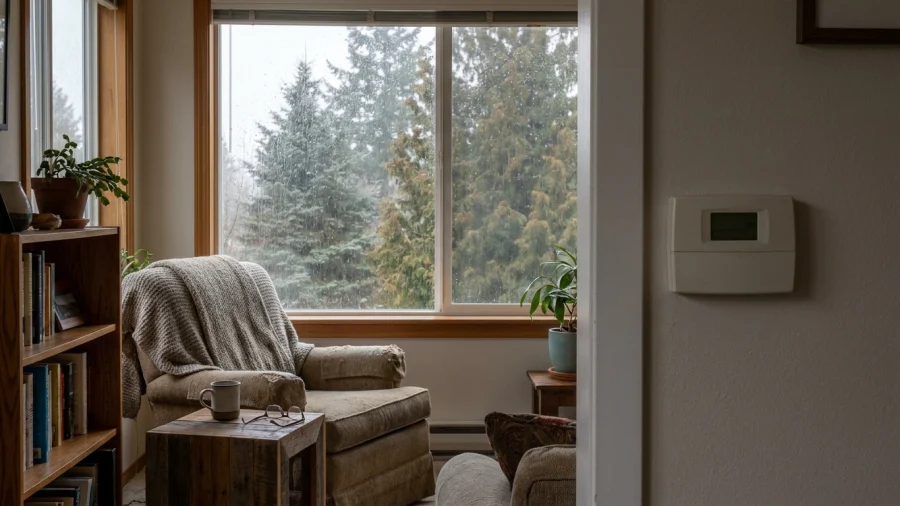
Western Washington winters can shift from mild, rainy afternoons to near-freezing nights. A smart thermostat may help you manage those changes, but the right choice depends on your heating system and how your household uses it—not just the features on the box.
The short answer: it depends on your system and routine
A smart thermostat can be worth it if scheduling, remote adjustments, or equipment-specific controls make your home more comfortable and easier to manage. Lower heating bills are possible in some homes, but they are not automatic. Your current thermostat, heating equipment, insulation, utility rates, and daily habits all affect the outcome.
In a changeable Western Washington winter, one rigid schedule may not suit every week. Think about whether you would actually use flexible controls before replacing a thermostat that already works well.
What a smart thermostat can do during a Western Washington winter
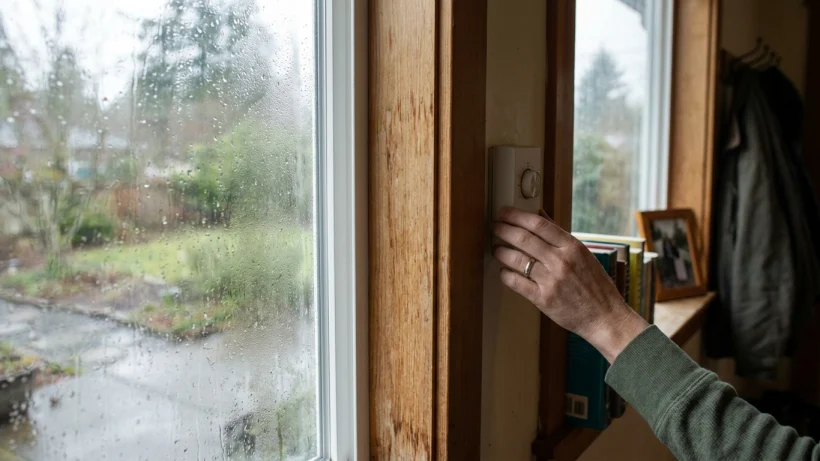
Scheduling lets you set temperatures for typical sleep, work, and at-home hours. Remote access lets you adjust settings when plans change, while occupancy features on some models can respond when people are home or away. Depending on the model, you may also get equipment alerts, heating-use summaries, or room sensors.
A thermostat measures temperature where it is installed. A warm hallway reading may not reflect a drafty bedroom or a room far from the heating equipment. Sensors can provide more information, but a thermostat cannot seal air leaks, add insulation, or resolve moisture problems.
How heating-system type changes the decision
Compatibility matters more than a long feature list. Heat pumps need controls suited to heat-pump operation, including correct handling of auxiliary or backup heat when the system has it. An unsuitable setup or aggressive temperature changes can affect comfort and system operation. Follow the heating-equipment and thermostat manufacturers’ guidance for settings and compatibility.
Ductless mini-splits, zoned systems, electric baseboards, and dual-fuel systems may each need different controls. Before choosing a model, identify your heating equipment and existing thermostat wiring; do not assume every smart thermostat works with every system.
When a smart thermostat is most likely to be useful
Households with changing schedules may value adjusting heat from a phone when they get home earlier or later than expected. If you frequently change the thermostat by hand, scheduling and usage summaries may also make your heating patterns easier to understand.
Room sensors or zoning-related features can help you notice temperature differences and, with compatible equipment, manage them more deliberately. They cannot repair poor airflow or a leaky building envelope. If your routine is steady, a basic programmable thermostat may already provide the control you need.
What smart thermostats cannot guarantee
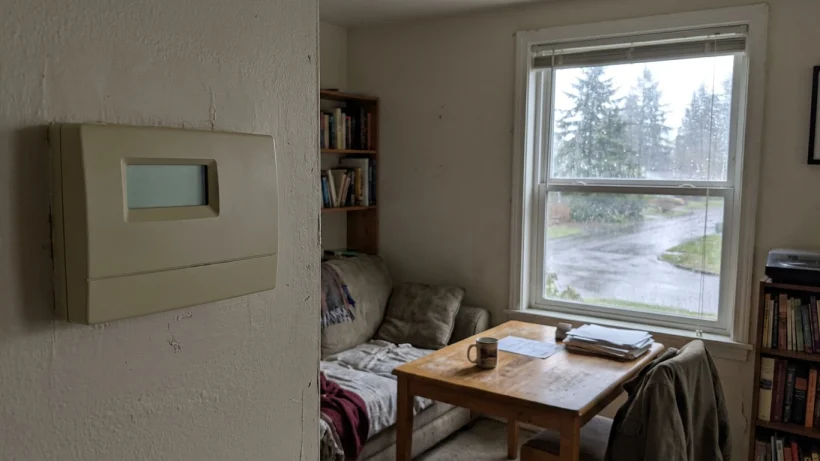
There is no reliable savings percentage or payback period that applies to every home. Results depend on your equipment, settings, utility rates, and how often you override the schedule. Frequent changes or settings that engage backup heat unnecessarily may limit any benefit.
A new control also cannot make an undersized, poorly maintained, or malfunctioning heating system perform properly. Drafts, inadequate insulation, blocked vents, and uneven airflow may still leave rooms uncomfortable even when the thermostat is working as intended.
A homeowner checklist before buying or replacing one
- Identify every heating source: heat pump, furnace, electric resistance heat, mini-split, or a combination.
- Find your current thermostat model and review its wiring and heating-equipment documentation. Compare both with the new model’s compatibility requirements.
- Decide whether your household would regularly use scheduling, remote access, room sensors, or heating-use reports.
- Check for requirements such as a common wire, adapter, hub, subscription, or dependable home Wi-Fi connection.
- If wiring is unfamiliar or your equipment has multiple stages, zones, or heat-pump backup controls, have a qualified HVAC professional check compatibility and setup.
So, is it worth it for your Western Washington home?
A smart thermostat may be worthwhile when it works with your system, solves a real control problem, and has features your household will use. It may be a lower priority if your current thermostat suits your routine or compatibility is uncertain.
If your main concern is uneven comfort or high heating use, consider equipment condition, airflow, insulation, and drafts as well. Base the decision on your home and habits rather than assuming a connected thermostat will automatically lower winter bills.