Choosing ventilation upgrades for Puget Sound homes: HRV, ERV, or fresh air intake?
HRVs, ERVs, and fresh air intakes all bring outdoor air into a home, but they handle heat and moisture differently. Compare their tradeoffs against your home’s conditions before choosing an upgrade.
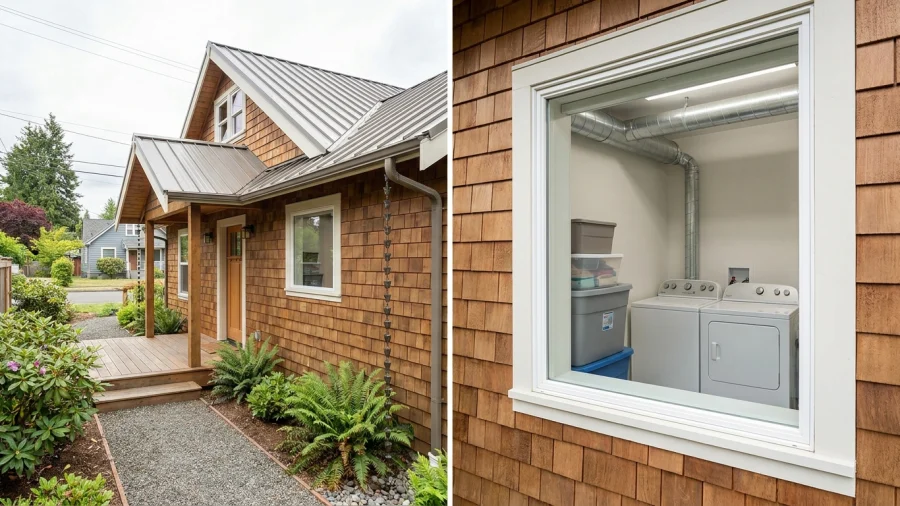
A ventilation upgrade can make outdoor-air exchange more predictable, particularly in a home that has been air-sealed or remodeled. In Western Washington, the right approach also needs to account for heating-season comfort, moisture patterns, and the equipment already in place. Here is how to compare an HRV, an ERV, and a fresh air intake without assuming one is right for every house.
Why ventilation deserves a closer look in Puget Sound homes
Ventilation brings in outdoor air and removes stale indoor air, helping dilute odors and pollutants. It works alongside source control, kitchen and bathroom exhaust, and filtration; it does not replace them. As air sealing reduces uncontrolled drafts, a home may need a more deliberate way to exchange air.
Puget Sound homes often face long heating seasons, rain, and cool, damp outdoor air, but their indoor conditions vary. A house’s age, air leakage, occupancy, and existing exhaust fans all affect what it needs. Ventilation should be designed and installed to meet applicable requirements and the home’s conditions, not selected by equipment label alone.
What the three ventilation options do
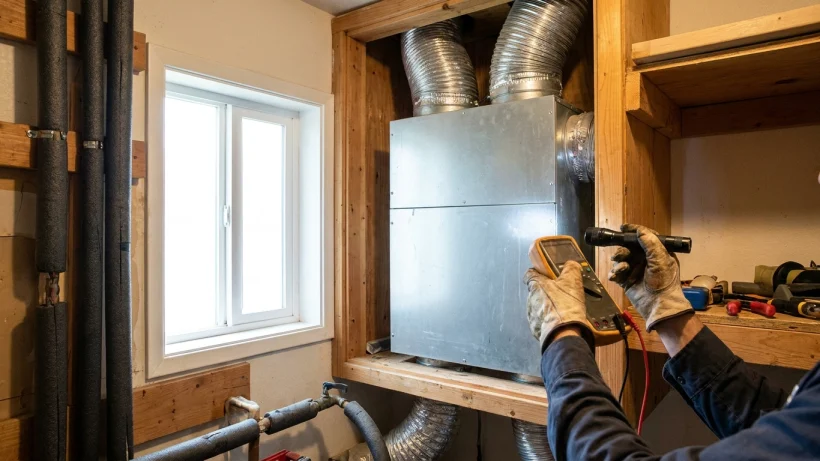
- An HRV, or heat recovery ventilator, moves heat between outgoing indoor air and incoming outdoor air while keeping the two air streams separate.
- An ERV, or energy recovery ventilator, transfers heat and some water vapor between the air streams. Moisture transfer is not the same as dehumidification.
- A fresh air intake brings outdoor air into the home, often through a duct coordinated with an HVAC system. It does not recover heat or moisture from outgoing air the way an HRV or ERV does.
For any option, the equipment is only part of the plan. Controls, filtration, duct routing, exhaust locations, and measured airflow affect how well the system serves the home. An HRV or ERV also needs its supply and exhaust airflow balanced.
HRV: when heat recovery may be the priority
An HRV uses heat from outgoing air to temper incoming air. That can reduce the heating penalty of ventilation compared with bringing in outdoor air without heat recovery. It may be worth considering when a home needs controlled air exchange and removing indoor moisture is a priority.
An HRV is not automatically the best fit for a Puget Sound home. Indoor humidity, occupancy, and the overall HVAC design matter, and ventilation cannot fix a roof leak, plumbing leak, or other source of bulk water. Installation also calls for space, workable duct routes, condensate handling where required, accessible controls, and regular filter and core maintenance.
ERV: when transferring some moisture may suit the home
An ERV exchanges heat and some water vapor between the outgoing and incoming air streams. That moisture transfer may help moderate the change in indoor humidity during ventilation, but its effect depends on indoor and outdoor conditions and the selected equipment.
An ERV is not a standalone humidity-control system or a cure for condensation and dampness. Review indoor humidity patterns, household routines, air tightness, local exposure, and manufacturer guidance. The installation plan should explain how the unit will be ducted, controlled, and balanced for the house.
Fresh air intake: a simpler approach with important tradeoffs
A fresh air intake may use a ducted outdoor-air connection coordinated with a heating system. The arrangement depends on the equipment and controls; simply adding a duct does not establish that outdoor air will arrive at the intended rate or reach the right rooms.
Unlike an HRV or ERV, an intake does not exchange heat or moisture with exhaust air. Cold incoming air during heating season can affect comfort and heating demand, so it matters when the HVAC fan runs and how the air is distributed. Intake placement, filtration, dampers, controls, and coordination with bathroom and kitchen exhaust all deserve review.
Compare the options against your home’s conditions
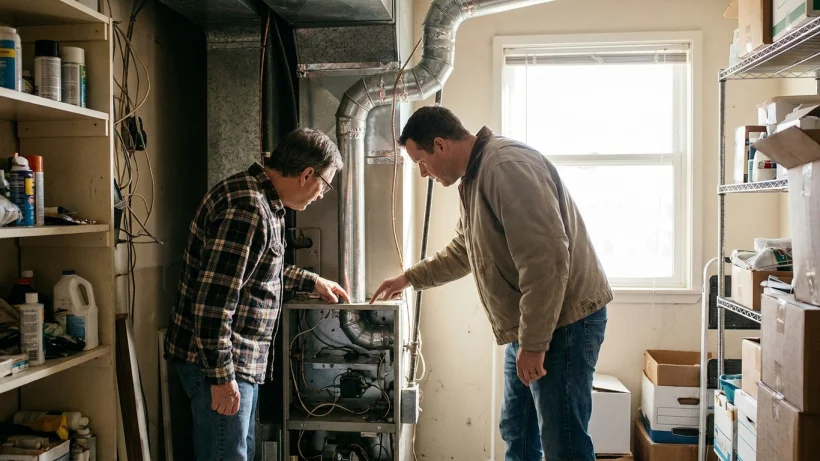
An HRV offers heat recovery without the same moisture-transfer function as an ERV; an ERV offers both heat and some moisture transfer. Both generally require dedicated equipment, supply and exhaust duct paths, controls, balancing, and routine filter and core care. A fresh air intake may use less equipment, but it offers no recovery and still needs compatible HVAC operation, controls, filtration, and maintenance. Existing ductwork and available space can change the scope of any option.
Persistent window condensation, musty odors, uneven comfort, or recent air-sealing work are reasons to investigate—not proof of a ventilation defect. Excess indoor moisture should be distinguished from water intrusion, plumbing leaks, and weak bathroom or kitchen exhaust, which may need separate attention. An assessment may review airflow, exhaust fans, duct routes, humidity patterns, and the heating system before narrowing the options.
Questions to ask before approving a ventilation upgrade
- How was the ventilation approach and airflow determined for this home, and which applicable codes or standards informed the design?
- What equipment, ductwork, controls, filtration, airflow balancing, commissioning, and cleanup are included in the written scope?
- Where will outdoor air enter and stale air leave, and how will the system work with existing exhaust fans and HVAC equipment?
- What filter or core maintenance is needed, where will the components be accessed, and what noise should we expect?
- How should the system be operated through the seasons, and what assumptions, exclusions, or recommended follow-up work should be noted?
Compare proposals by the complete design and installation scope, not just whether the equipment is called an HRV, ERV, or fresh air intake.
A practical way to make the choice
Start with the reason for the upgrade: reliable outdoor-air exchange, comfort, a moisture concern, or coordination with HVAC replacement or air sealing. Then review existing exhaust, indoor humidity, heating equipment, and duct access before weighing the three approaches.
The best-fitting option is part of a whole-home plan that may also address moisture sources, exhaust, filtration, and controls. Whatever equipment is selected, proper sizing, installation, airflow balancing, and ongoing maintenance are essential to its performance.