Do I need air conditioning in Puget Sound? A practical install guide
Air conditioning is a home-specific comfort decision in Puget Sound. Learn how to assess indoor heat, compare cooling options, and understand what a careful installation evaluation should cover.

Puget Sound summers are often mild, but a stretch of warm weather can still leave a house uncomfortable. Whether air conditioning makes sense depends on how your home holds heat, which rooms you use most, and how often heat disrupts daily life. A few observations around the house can help you decide whether to manage heat in other ways, cool selected rooms, or consider a whole-home system.
Why Puget Sound homeowners are reconsidering home cooling
Summer conditions vary across the region, and neighboring homes can feel very different indoors. Several warm days in a row may leave an upstairs bedroom or a west-facing living room hot well into the evening. Insulation, air leaks, window exposure, shade, and ventilation all affect how quickly a home heats up and cools down.
Air conditioning in Puget Sound is not a necessity for every household. For some homes, reducing afternoon sun and managing ventilation improves comfort enough. Others may benefit from dependable cooling during warm spells, especially when heat repeatedly lingers indoors.
Signs your home may benefit from air conditioning
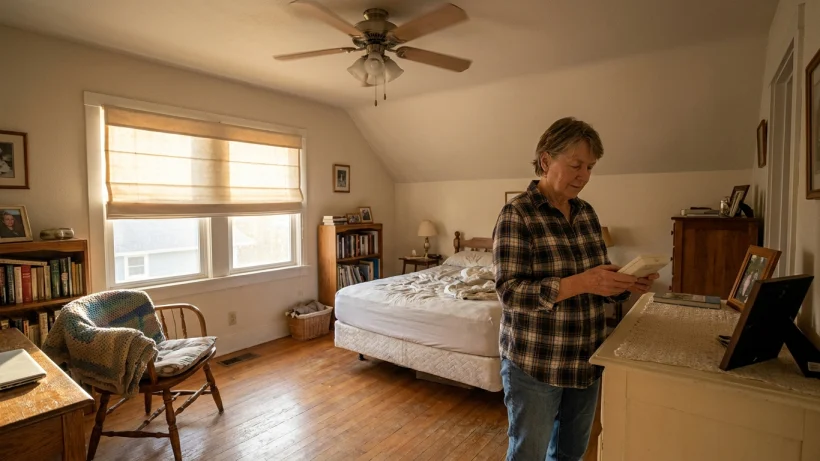
Focus on what happens inside your home rather than a single outdoor temperature. If bedrooms remain too warm for comfortable sleep, the house stays hot after sunset, or indoor temperatures climb quickly whenever the weather warms, cooling may be worth considering. Pay particular attention to upper floors and rooms used for work, rest, or caregiving.
Heat can be harder to manage for infants, older adults, and people with health-related sensitivity. If you have medical concerns about heat exposure, follow guidance from a qualified health professional. Persistent stuffiness or humidity also deserves a closer look: ventilation and moisture sources may need attention whether or not you add cooling.
During a few warm periods, jot down which rooms feel uncomfortable, when they heat up, and how long they take to cool. This simple log can show whether the problem is occasional, concentrated in one area, or spread throughout the home.
Check what is making the house heat up
Start with the sun. East-facing windows can bring in morning heat, while south- and west-facing glass may expose rooms to stronger sun later in the day. Rooms directly below the roof can also feel warmer. Closing blinds or curtains before direct sun reaches the glass, or adding suitable exterior shade, may reduce heat gain.
Attic insulation, air leaks, and window condition are also worth assessing. No single upgrade, including window replacement, is guaranteed to solve overheating by itself. Check that existing fans and ventilation equipment work as intended. A fan can help people feel more comfortable by moving air, but it does not lower the room temperature on its own.
If one area stays consistently hotter than the rest, the cause may involve solar exposure, room layout, or inadequate airflow through existing ducts. Identifying that pattern makes it easier to evaluate improvements alongside any cooling equipment.
Compare practical cooling options for Puget Sound homes
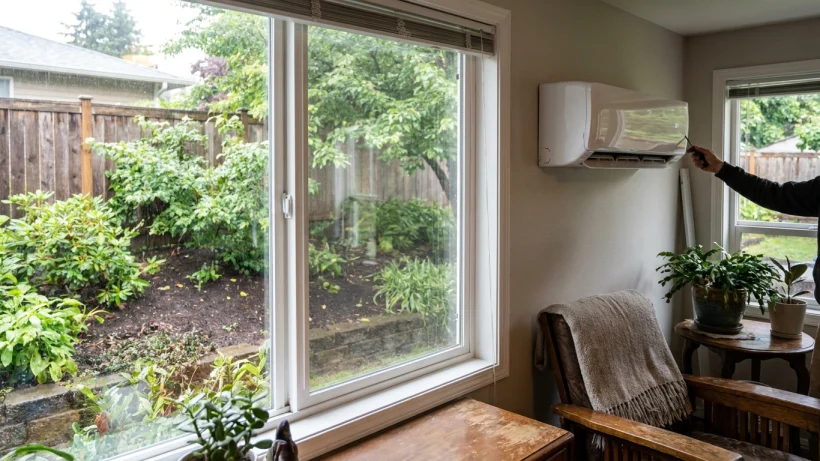
The right approach depends on the rooms you want to cool and the equipment already in place. Cooling capacity should account for the home's layout, insulation, windows, and sun exposure—not just its square footage.
- Central air conditioning may be an option if the home has compatible ductwork. Duct condition, airflow, sizing, and layout need evaluation before assuming the system will cool every room well.
- A ducted heat pump provides both heating and cooling. If you already have a heat pump, confirm its cooling capability and operating condition before considering replacement.
- Ductless mini-splits can cool selected rooms or zones and may suit homes without ducts. Indoor unit placement and the coverage of adjoining spaces require planning.
- Portable or window units can meet limited cooling needs. Consider the area each unit can serve, safe installation, and electrical requirements.
What to expect from a cooling installation assessment
A useful assessment looks beyond a quick equipment size estimate. It should consider the home's layout, insulation, windows, sun exposure, existing ducts, electrical setup, and the specific rooms you want to cool. For a ducted system, the evaluation should also address duct condition, airflow, and compatibility with existing equipment.
Ask how the proposed capacity and equipment placement were determined, and which spaces the system is expected to serve. A clear written scope should identify the equipment, controls, installation work, and any electrical or duct changes included or excluded. Review routine maintenance needs and the actual product and installation warranty documents so you understand the terms that apply.
A simple decision checklist
- How often does indoor heat interrupt sleep, work, or daily comfort?
- Which rooms get hottest, at what time of day, and how long does the heat linger?
- Have you tried appropriate shading and fans, and checked for obvious air leaks or insulation concerns?
- Does your home already have a heat pump, usable ductwork, or other equipment that could support cooling?
- Would cooling one or two rooms meet your needs, or is more even whole-home comfort important?
If heat is occasional and manageable, simple changes may be enough. If discomfort keeps returning, targeted cooling or a whole-home system may be worth evaluating. A qualified in-home assessment can clarify likely coverage and installation requirements before you choose an approach.