Seal Ducts First: A Washington Homeowner's Guide to Efficient HVAC Upgrades
Duct leaks and airflow problems can affect comfort even when heating and cooling equipment works properly. Learn what to check and how to include ductwork in an HVAC replacement plan.
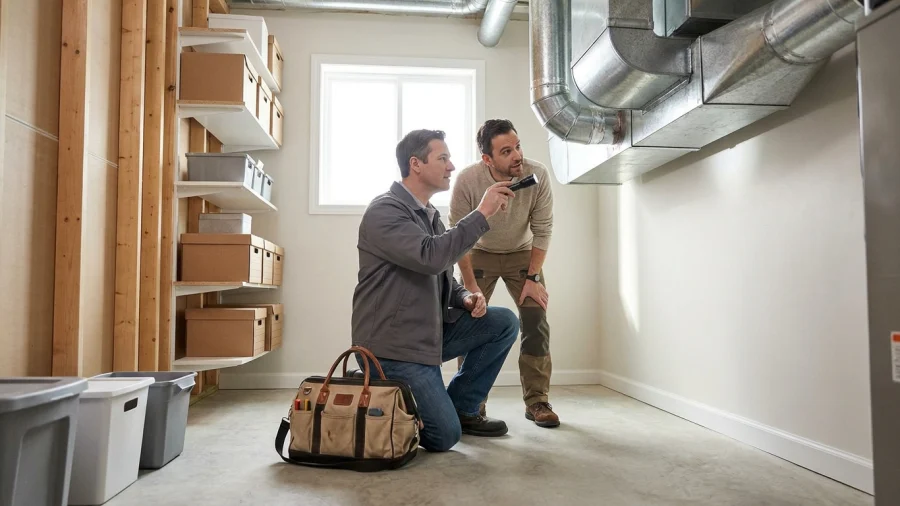
If some rooms never seem to reach a comfortable temperature, replacing the furnace or installing a heat pump may not solve the whole problem. The ducts that deliver air to each room—and carry return air back—need to work with the equipment. Checking their condition before an upgrade can help you plan the right scope of work.
Why check the ducts before upgrading HVAC equipment?
A furnace or heat pump conditions air, but ductwork determines how that air moves through the home. Leaking connections, disconnected sections, crushed flexible duct, and poor airflow balance can leave rooms uncomfortable even with new equipment. Duct sealing before HVAC replacement is worth discussing, but it is not automatically the right first step for every home. An inspection—and testing when useful—can distinguish leaks from other problems that need a different fix.
Common signs your home may have duct problems
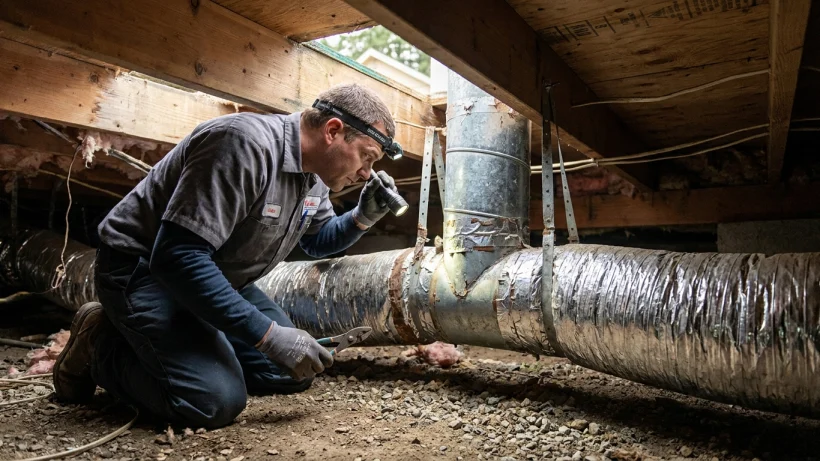
Noticeably warmer or cooler rooms, weak airflow at certain registers, or whistling and rattling near duct connections may point to a distribution problem. Visible loose ductwork is another reason to take a closer look. Dust around registers or in particular rooms can be a clue, but dust alone does not prove a duct leak.
Ducts running through an unconditioned attic, crawlspace, or garage deserve particular attention because leaks there can send conditioned air outside the living space. Note whether symptoms occur during heating, cooling, or both, and whether they persist with interior doors open. Insulation, windows, thermostat placement, equipment condition, and maintenance can cause similar symptoms, so a diagnosis should consider more than the ducts.
What homeowners can safely check before calling a contractor
- Make sure supply registers and return grilles are open and clear of furniture, rugs, and curtains.
- Check that the air filter fits correctly and is not overdue for replacement under its instructions.
- From a safe, accessible location, note any loose joints, sharp bends, crushed flexible duct, or damaged duct insulation.
- Write down which rooms are uncomfortable, when it happens, and whether the system is heating or cooling.
Do not enter a confined, wet, contaminated, or otherwise unsafe attic or crawlspace. Leave electrical components, combustion equipment, specialized testing, and duct repairs to qualified professionals. Ordinary household tape is not a substitute for materials intended for duct sealing.
How duct testing and sealing typically work
A contractor may inspect accessible ducts, joints, insulation, supports, and airflow before deciding whether diagnostic testing would help. Duct leakage testing can estimate how much air escapes the system; ask what a proposed test measures and how its results will guide the work. The assessment approach may vary with the home's layout and the symptoms.
Sealing targets leaks at joints, seams, and connections using materials intended for duct applications. A crushed, damaged, undersized, or poorly routed section may instead need repair or redesign. Duct cleaning removes debris; it does not seal air leaks. A useful proposal explains how completed work will be checked and whether it includes repairs or airflow adjustments beyond sealing.
Why Washington homes may need a ductwork conversation
Western Washington's damp conditions make moisture management and installation details important where ducts pass through crawlspaces or attics. Sealing an air leak does not, by itself, correct inadequate duct insulation or a condensation concern. Those issues should be considered separately.
Homes around Puget Sound also vary in age and layout. An addition or converted space may be served by ductwork that was changed over time without being balanced for how the home is used today. Recommendations should reflect where the ducts run, their condition, and the equipment they serve—not an assumption that every Washington home needs the same work.
Coordinate duct repairs with a heat pump or HVAC replacement
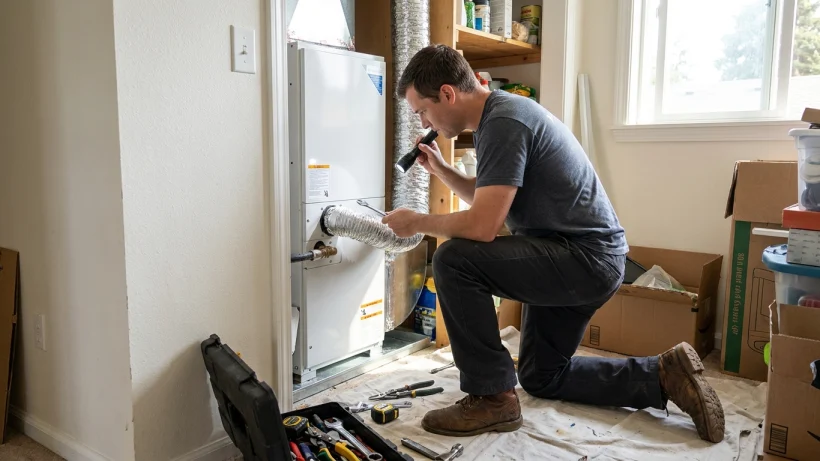
Share room-by-room comfort concerns while the replacement plan is being developed. Ask whether existing ducts can provide the airflow the proposed equipment needs, especially if you are changing system type or capacity. Equipment size should not be chosen solely from the old unit's label; ask what home and system information supports the recommendation.
A clear plan separates the equipment installation from duct sealing, duct repairs, insulation, and airflow balancing. Discuss whether ductwork is best addressed before, during, or after installation, including how that timing affects access and verification.
Questions to ask and how to compare recommendations
- What evidence points to leakage or an airflow problem, and what other causes were considered?
- Which duct sections would be sealed, repaired, insulated, or left unchanged, and why?
- Will you test before and after the work, adjust airflow, or document the results another way?
- How does the scope address access limitations, protection of the home, and any follow-up after equipment installation?
Compare proposals by the diagnosis, the work described, and how the results will be checked. Be cautious of guaranteed energy-savings claims that do not account for the home's starting condition and energy use.
A practical order of operations for homeowners
- Document comfort problems and complete simple checks of filters, registers, and safely accessible ductwork.
- Arrange an assessment if symptoms persist or you are planning an HVAC replacement.
- Review duct condition, any testing findings, equipment airflow needs, and moisture or insulation concerns together.
- Set a written scope that distinguishes sealing from other repairs and explains how the finished work will be checked.
Use those findings to decide whether duct improvements should accompany the equipment upgrade. Sealing can be valuable where leaks are present, but it is neither necessary in every home nor a substitute for fixing other airflow or comfort problems.