Seasonal HVAC Prep for Puget Sound: Avoid Damp, Ice, and Heat Loss
Puget Sound’s damp winters, occasional freezes, and summer warm spells put different demands on home heating and cooling systems. These seasonal checks help homeowners spot airflow, moisture, and equipment concerns while knowing when to leave the work to a professional.
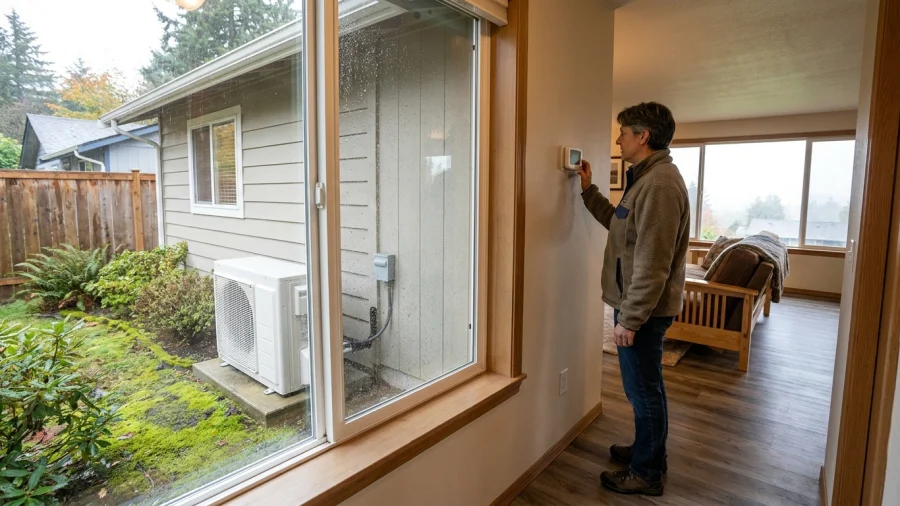
In Western Washington, HVAC preparation is less about following a rigid national calendar and more about watching seasonal transitions. A few safe checks before heating or cooling demand rises can reveal blocked airflow, moisture, or changes in operation while there is still time to investigate.
Why Puget Sound HVAC Needs Seasonal Attention
Long damp stretches, wind-driven rain, shifting temperatures, occasional freezes, and warm summer days can all affect comfort and equipment operation. Outdoor units need room to move air, while indoor equipment and surrounding materials should be watched for unexpected moisture.
Maintenance depends on the system: a gas furnace, ductless mini-split, and heat pump do not have identical filters, outdoor components, or operating behavior. Follow your equipment instructions rather than treating one checklist as a substitute for its specific requirements. Seasonal checks can support reliable operation, but they cannot prevent every breakdown.
Before the Heating Season: Check Airflow and Outdoor Equipment
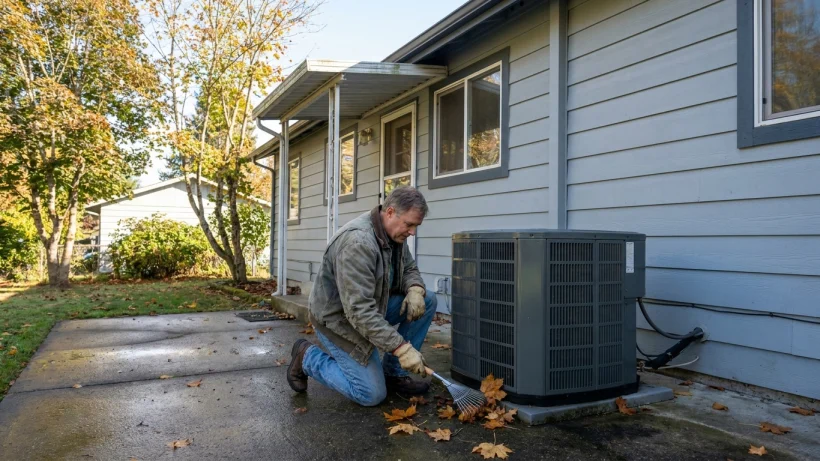
Before the first cold stretch, test the thermostat’s heating mode using the system’s operating instructions. Confirm that supply registers and return-air grilles are open and free of rugs, furniture, and stored items. Replace or clean accessible filters as directed by the equipment manufacturer, and check them more often in homes with pets or considerable dust.
If you have a heat pump, clear loose leaves and debris from around its outdoor unit and maintain the manufacturer’s required clearance. From outside the equipment, look and listen for visible damage, unusual noise, or persistent water nearby. Do not remove panels or work on wiring, refrigerant, or gas components.
During Rainy Weather: Manage Moisture and Condensation
Brief condensation can be normal for some systems, but recurring pooling, dripping, musty odors, or damp flooring and building materials deserve investigation. Check the visible area around an indoor air handler, its condensate drain outlet if accessible, and the nearby floor without opening equipment. Keep that area accessible so stored items do not block airflow or hide a developing leak.
Kitchen and bathroom exhaust fans help remove moisture created indoors. If you can safely confirm where they vent, they should discharge outdoors rather than into an attic or crawl space. A dehumidifier or fresh filter may help with some comfort issues, but neither fixes a persistent leak or its source.
When Temperatures Drop: Reduce Freeze and Heat-Loss Risks
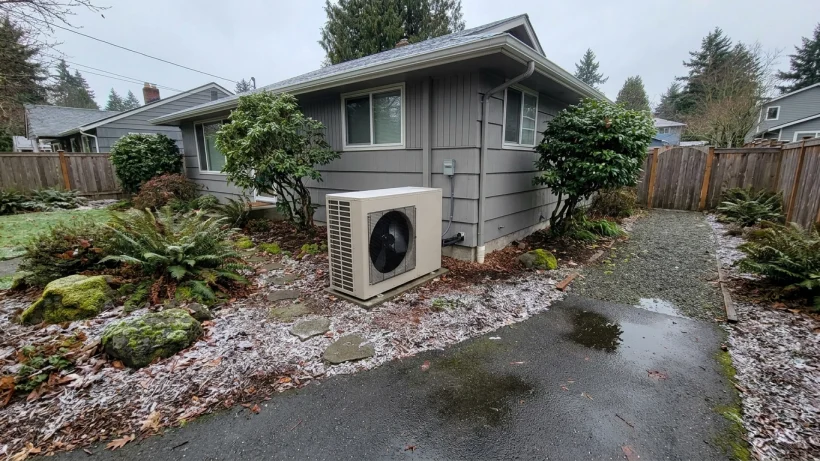
Keep snow, slush, and yard debris from obstructing an outdoor heat pump, following the manufacturer’s clearance guidance. Some heat pumps periodically enter a defrost cycle, briefly changing sound or producing visible vapor. Persistent heavy ice or poor heating is different and calls for professional assessment. Do not chip ice from coils or pour hot water on the unit; force and sudden temperature changes can damage components.
Check exterior doors and windows for obvious drafts and worn weatherstripping that may increase heat loss. Do not block combustion-air openings or ventilation paths while trying to seal drafts. If heating stops, a breaker repeatedly trips, or you notice a burning smell, follow the system’s safety instructions and seek qualified help rather than repeatedly restarting it.
Before Summer: Prepare for Warm Spells and Cooling Demand
Test cooling before the first sustained warm period, especially if you rarely use it. Let the system run according to its instructions, then check for airflow at the registers or indoor units. Clean or replace filters as directed and make sure indoor and outdoor airflow paths are clear.
When cooling is running, close windows and use blinds or curtains to limit strong afternoon sun where practical. Note uneven temperatures, weak airflow, unexpected cycling, or new odors, but remember that insulation, sun exposure, and drafts can also affect comfort. Setting the thermostat far below your desired temperature does not make most systems cool faster.
A Simple Seasonal HVAC Checklist for Homeowners
- At the start of heating and cooling seasons, check the filter, test the thermostat, look over visible equipment areas, and confirm that registers and returns are unobstructed.
- After wind or heavy rain, look from a safe distance for debris or visible damage around outdoor equipment and note water collecting where it should not.
- Throughout the year, keep service records and note unusual symptoms, when they happen, and any conditions that seem to trigger them.
- Follow the manufacturer’s maintenance instructions. Limit homeowner work to appropriate visual checks and filter care; leave electrical, gas, refrigerant, combustion, and internal component work to qualified professionals.
When to Arrange Professional HVAC Service
Recurring icing, persistent water or musty odors near equipment, weak heating or cooling, unusual noises, and unexplained changes in operation are reasons to arrange an assessment. Burning smells, suspected gas issues, repeated electrical trips, or equipment that will not operate safely need prompt attention. Follow the system’s safety instructions rather than attempting an internal repair.
Service scope varies by equipment and provider. It is reasonable to ask which inspection, cleaning, and testing tasks are included and which findings might require separate work; a tune-up cannot guarantee trouble-free operation. The system model, if known, along with a description of symptoms and when they occur, can help make an appointment more useful.