Patio Cover Costs in Western WA: What Affects Price and Value
Patio cover estimates depend on more than square footage. Learn how design, materials, site conditions, and installation scope affect cost and long-term usefulness in Western Washington.
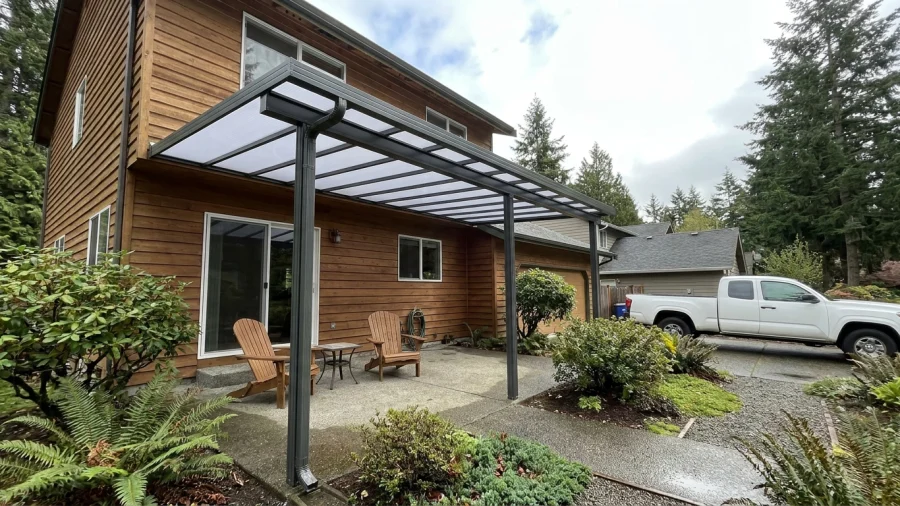
A patio cover can make outdoor space more useful through Western Washington’s rainy months, but there is no single price that fits every home. The most useful way to plan a budget is to understand what an estimate includes and which design choices matter to your household.
Why patio cover estimates vary from home to home
Online cost ranges rarely account for a home’s layout, installation access, existing patio, or chosen product. Even two covers with similar footprints can have different scopes: one may need removal of an old structure, additional framing, or more drainage planning. A site-specific assessment helps identify that work before you compare proposals.
Project size and layout are major cost factors
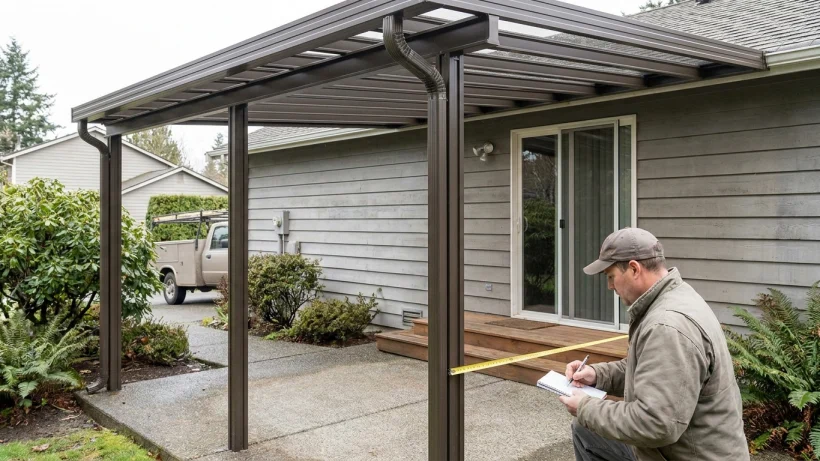
A larger covered area generally uses more materials, and longer spans may call for a different framing approach. Height and shape matter too. A straightforward rectangle is often simpler to install than a design with corners, offsets, or unusual dimensions.
Placement can affect the design as much as size. Doors, windows, steps, and outdoor kitchens all influence where posts can go and what clearances the cover needs. Before settling on dimensions, measure the space you actually use, including room for furniture and walking paths—not just the area that looks balanced from the yard.
Material and roof style affect both upfront scope and everyday use
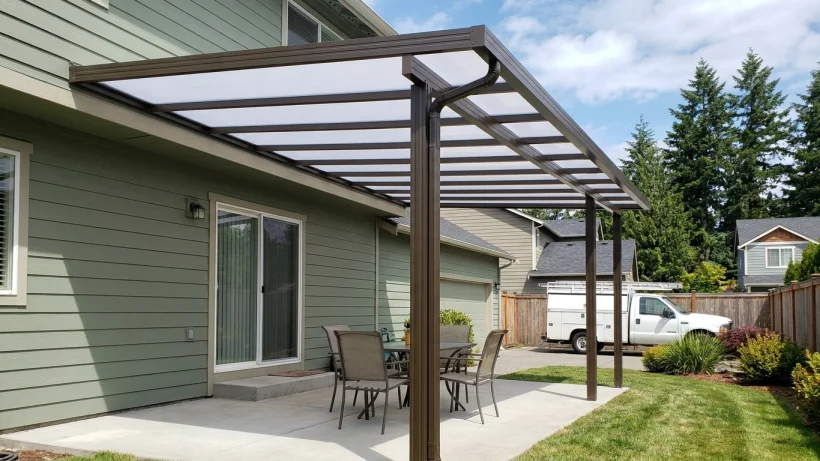
Aluminum is one low-maintenance frame option, but specifications, finishes, and design details vary by product. Frame color and trim can also affect how well a cover fits the home’s siding, roofline, and other exterior finishes.
Roof panels shape the experience beneath the cover and inside nearby rooms. A roof that provides more shade may reduce daylight through adjacent windows. Translucent systems, including ACRYLITE options where available, can help preserve light; compare panel details, tint, and light transmission rather than assuming all translucent roofs perform alike. Consider the site’s rain and wind exposure when reviewing any roof style, since no design guarantees protection in every condition.
Site conditions and installation details can change the estimate
The attachment area on the house and the surface where support posts will sit need to be assessed. An uneven patio, difficult access, obstacles, or an existing cover that must be removed can add preparation and labor. The design also needs a plan for directing roof runoff and coordinating with the home’s drainage and exterior details.
Permit or review requirements vary by jurisdiction and project. Confirm applicable requirements with the relevant local authority and make sure any known permit-related work is reflected in your planning and estimate.
Compare estimates by scope, not just by the bottom line
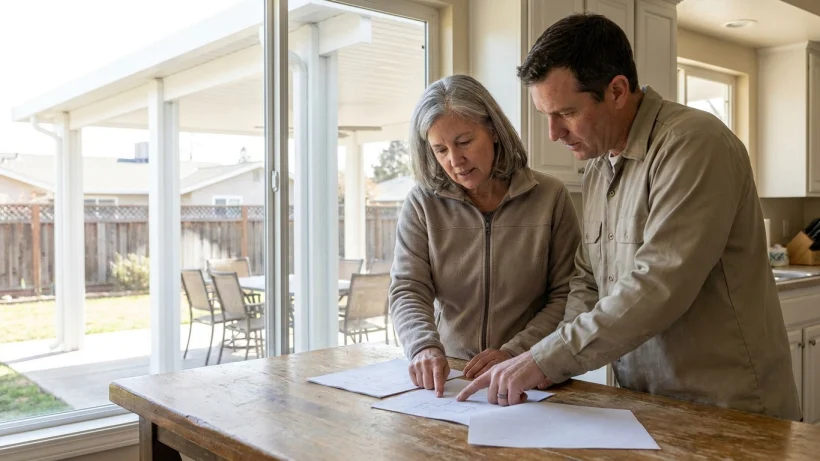
Two totals are only comparable when the proposed covers and installation work are comparable. Review each proposal for:
- Cover dimensions, roof and frame materials, colors, and included trim or finishing details.
- Preparation, removal, cleanup, drainage work, and any items listed as allowances or separate charges.
- Site conditions that could change the scope and how proposed changes will be communicated before work proceeds.
- Explicit exclusions, so work missing from one proposal does not look like a price difference for the same project.
Review product documentation and warranty terms directly. Check what is covered, for how long, and whether maintenance or registration conditions apply. Coverage can differ between products and installers.
Think about value in terms of comfort, use, and upkeep
Think about how often you expect to use the patio and what would make it more comfortable: rain shelter, shade, daylight, or a balance of all three. A cover that suits a bright summer patio may feel different beside a room that already gets limited winter light. Its appearance from the yard and inside the house matters as well.
Compare cleaning and care needs using each manufacturer’s guidance. Resale appeal may be worth considering, but it is not a guaranteed financial return. The better measure of value is whether the design fits the home’s structure, the site’s weather exposure, and the way your household will use and maintain the space.