7 Warning Signs You Need a New Roof in Washington
Learn how to spot the early and late-stage signs of roof failure in Washington, from attic leaks to heavy moss growth.
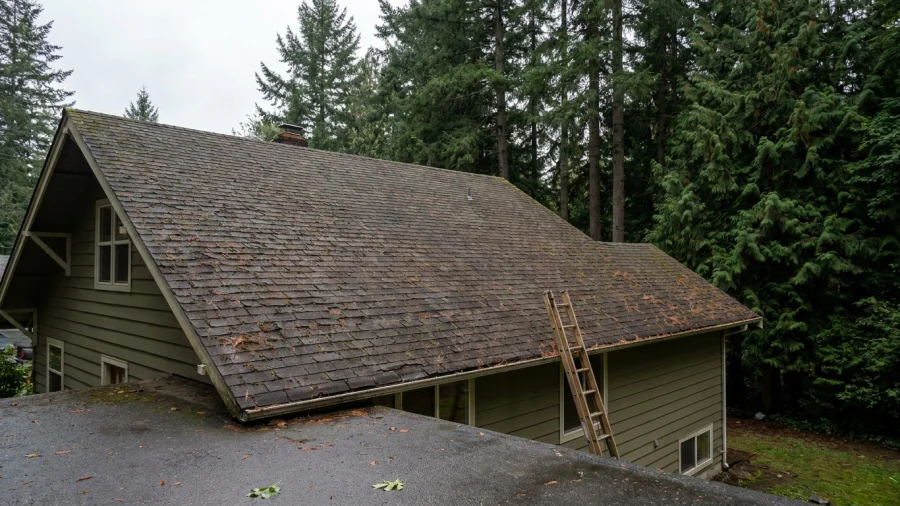
Why Pacific Northwest Roofs Age Differently
While an asphalt shingle roof might carry a 25 to 30-year rating, local weather conditions dictate its actual lifespan. In Western Washington, prolonged rain, heavy tree coverage, and seasonal windstorms constantly test the durability of your roofing system.
The combination of consistent moisture and organic debris like pine needles and leaves accelerates wear. Inspecting your roof twice a year, ideally in the spring and fall, can help you catch early signs of failure before they turn into costly interior repairs.
1. Water Damage and Leaks in the Attic
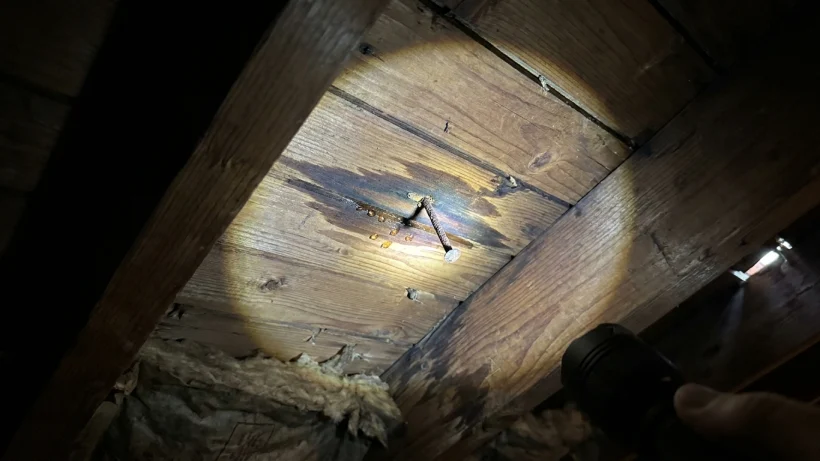
One of the clearest indicators of roof failure is found directly beneath it. Checking your attic safely during or immediately after a heavy rainstorm can reveal hidden issues before they impact your living space.
- Look for dark stains, streaks, or rot on the underside of the wooden roof decking.
- Check around penetrations like vents, chimneys, and skylights, as flashing often fails in these areas first.
- Watch for damp insulation or signs of active dripping.
2. Curled, Cracked, or Cupping Shingles
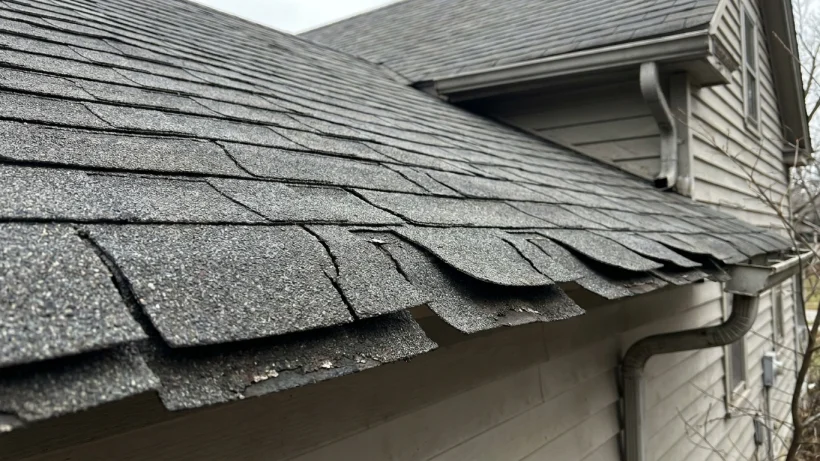
Physical deterioration of your shingles can often be observed safely from the ground using binoculars or the zoom feature on your smartphone camera. As asphalt shingles age and endure cycles of heat and moisture, they begin to lose their original shape.
You might notice "cupping," where the edges of the shingle turn upward, or "clawing," where the edges stay flat but the middle rises. Cracked shingles are another major red flag. When shingles deform rather than lying flat, the weatherproofing seal is broken, making them highly susceptible to snapping off during Puget Sound windstorms.
3. Granule Loss and Bald Spots
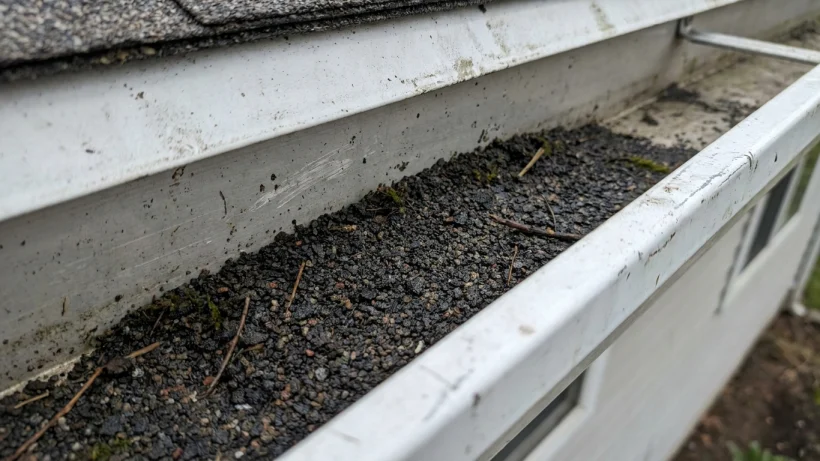
Asphalt shingles are coated with small, coarse granules that protect the underlying asphalt layer from UV rays and provide crucial fire resistance. Over time, weather and age will loosen these protective granules.
- Check for heavy accumulations of sand-like granules in gutters or near downspout splash blocks.
- Look for bald spots on the roof surface that appear unusually dark or shiny.
When a roof loses a significant amount of its granules, the fiberglass mat becomes vulnerable to the elements, drastically reducing the remaining life of the shingle.
4. Missing Shingles After Windstorms
High winds are a regular occurrence across communities from Everett to Tacoma. While losing a single shingle from an isolated branch impact might just require a straightforward patch, losing multiple shingles during a moderate windstorm suggests a deeper problem.
Over the years, the adhesive strips that hold shingles down dry out and fail. Exposed areas where shingles have blown away leave the roof underlayment entirely vulnerable to water intrusion. Prompt attention is necessary to keep a missing patch from developing into a major leak.
5. The PNW Special: Severe Moss and Algae Growth
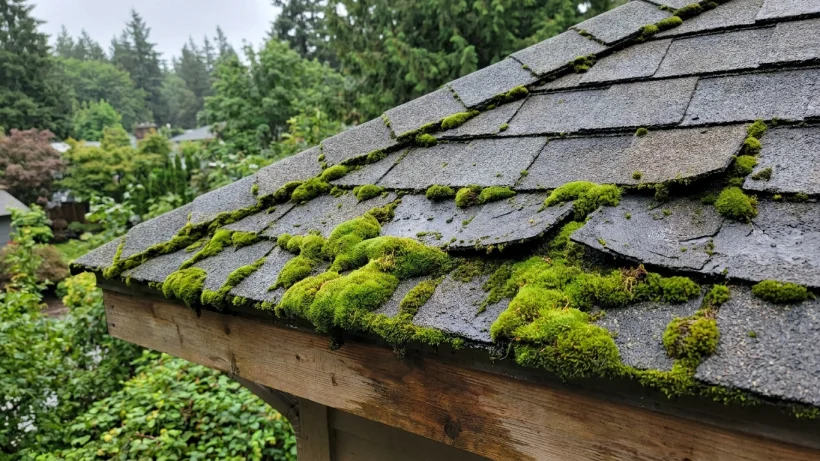
In Washington, a heavily shaded roof is a magnet for organic growth. While black streaks of algae are mostly a cosmetic annoyance, moss is a genuine structural threat. Moss acts like a sponge, holding moisture against the roof long after the rain stops.
As thick moss grows, it works its way under shingle edges, lifting them up and breaking the waterproof seal. Be cautious with removal: aggressively scraping or pressure washing thick moss off an older roof often strips away the remaining protective granules. In cases of severe moss damage, a full roof replacement is usually more practical than attempting to clean a compromised surface.
6. Sagging Roof Decking
Structural roof issues can often be spotted right from the street. When you look up at your roofline, the ridges and planes should appear perfectly straight.
A wavy, sagging, or dipping roofline is a severe warning sign. It typically indicates that moisture has penetrated the shingles and underlayment, causing the plywood decking to rot or the supporting rafters to weaken. Sagging requires immediate professional evaluation, as it points to failing materials beneath the surface layer.
7. Roof Age and Neighborhood Trends
Sometimes, the most reliable indicator that you need a new roof is simple math. If your asphalt shingle roof is 20 to 25 years old, it is statistically nearing the end of its useful life in the Pacific Northwest climate.
A practical benchmark is to look around your neighborhood. If homes in your subdivision were built around the same time and your neighbors are getting new roofs, yours is likely due for an evaluation as well.