When to Stop Patching: Evaluating Roof Repair vs. Replacement in WA
A practical guide helping Washington homeowners evaluate when a roof leak or damage can be safely repaired, and when patching it is just throwing money away on a failing system.
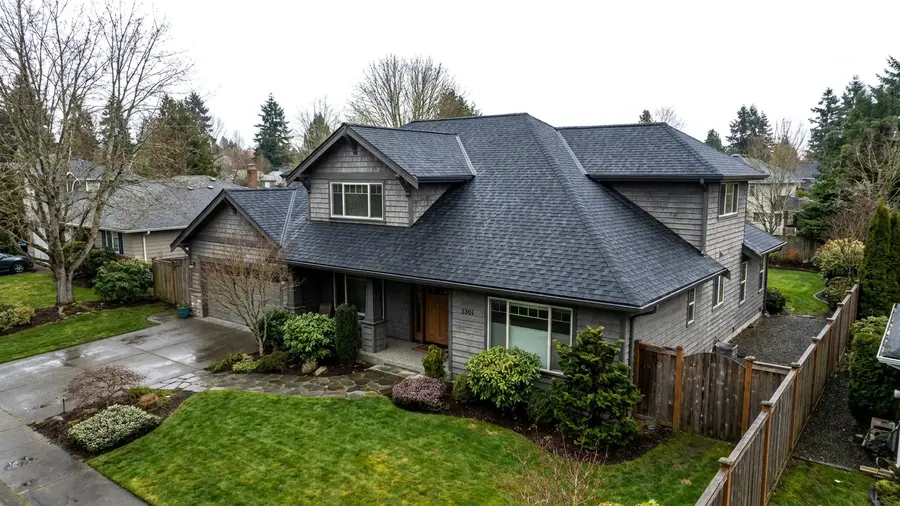
After a heavy Pacific Northwest windstorm or an extended week of rain, many Washington homeowners discover they have a roof issue. Whether it is a few blown-off shingles or a sudden water stain on the ceiling, the immediate question is always the same: Can this be patched, or do I need a completely new roof?
The Tipping Point: Repairing vs. Replacing Your Roof
The constant exposure to rain, wind, and changing temperatures in the Puget Sound region naturally accelerates roof wear. Letting a minor leak persist is never a good idea, as water quickly finds its way into insulation and structural wood. However, deciding between a quick patch and a full replacement comes down to a simple cost-benefit analysis: you must evaluate the cost of the repair against the remaining reliable lifespan of the entire roof system.
When Roof Repair Makes Perfect Sense
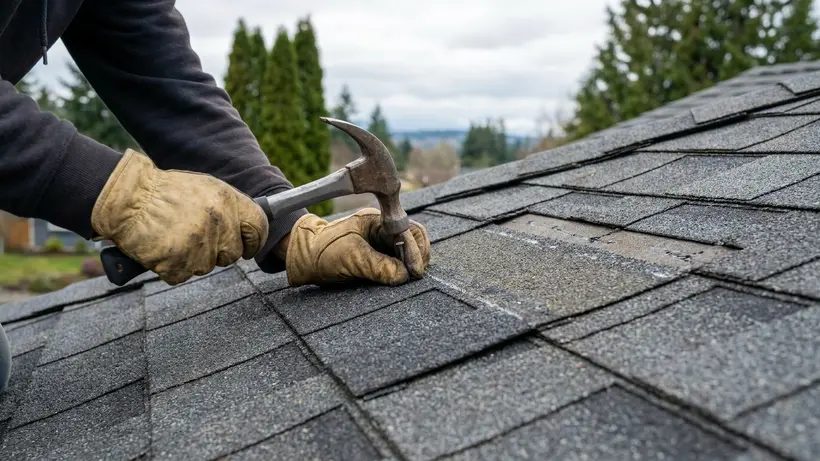
A full roof replacement is a significant investment, and it is not always necessary. There are clear scenarios where a targeted repair is the most practical and cost-effective route.
- The roof is relatively young (generally under 15 years old) and the asphalt shingles are still pliable and holding their granules.
- Damage is isolated to a specific event, such as a fallen tree branch or high-wind shingle blow-off.
- Leaks are strictly localized around roof penetrations, like a chimney, skylight, or vent, which often just require new flashing.
- An inspection confirms there is no underlying structural rot or widespread moisture intrusion in the roof decking.
5 Signs It's Time to Replace Instead of Repair
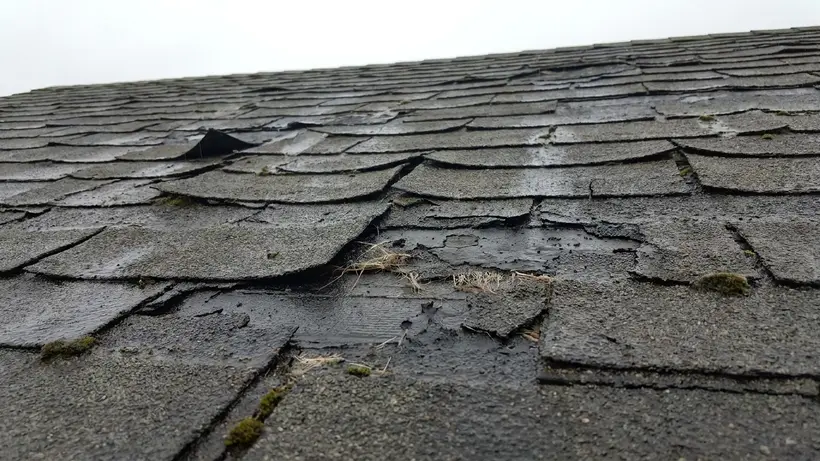
Eventually, patching is just throwing good money after bad. When a roof reaches the end of its usable lifespan, repairing one section will only be followed by a failure in another. Here are the physical indicators that replacing the roof is your safest option:
- Widespread granule loss: When shingles look bald and the shiny fiberglass mat is exposed, they can no longer shed water effectively.
- Curling, cracking, or clawing shingles: If you see these deformations across multiple planes of the roof, the asphalt has dried out completely.
- Spongy or sagging roof decking: If the roof feels soft when walked on, it indicates widespread moisture intrusion and rotting plywood.
- Pervasive interior moisture: Water stains appearing in multiple rooms, or heavy mildew in the attic, suggest the entire underlayment has failed.
- Age: The roof is approaching or has passed the 20-year mark, making further repairs a poor financial investment.
The Hidden Risks of Endless Patching
Opting for minor, repeated repairs year after year might seem like a way to save money, but it is often a risky financial strategy. Water rarely drops straight down from a leak. It travels along roof trusses and underlayment, causing unseen rot far away from the visible drip inside your home.
- Hidden rot can degrade the structural integrity of your roof trusses over time.
- Trapped moisture leads to accumulating mold and mildew in the attic space, which can affect indoor air quality.
- Wet attic insulation loses its R-value entirely, leading to poor energy efficiency and higher winter heating bills.
- Continuous patching with newer, unmatched shingles creates a checkerboard effect that severely lowers your home's curb appeal.
How a Complete Roof System Evaluation Works
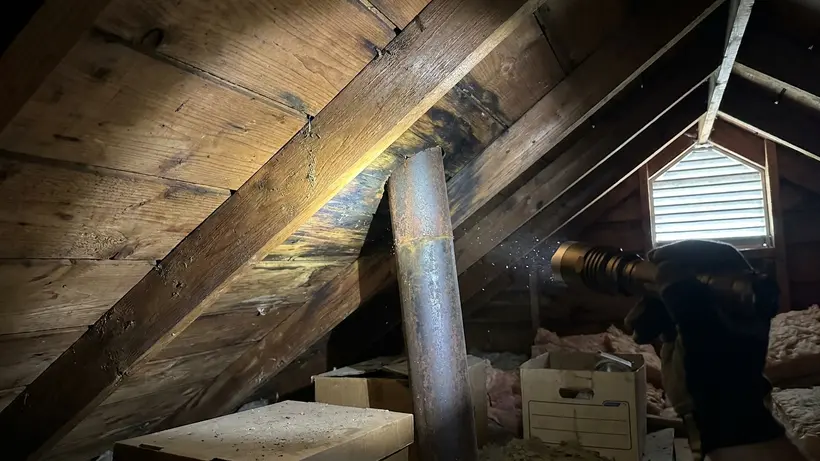
The only way to definitively choose between repair and replacement without guesswork is through a professional roof inspection. A proper evaluation looks at the entire roofing system, not just the single area where water happens to be dripping.
- Inspecting the attic space: Checking for proper intake and exhaust ventilation, and looking for early signs of decking rot from the underside.
- Evaluating metal components: Checking the condition of existing flashing, pipe boots, and drip edges.
- Assessing the whole system: Determining if the underlayment and structural decking are sound enough to handle a targeted repair.
- Transparent options: Providing a clear, honest comparison of what a repair will cost versus the long-term value of a complete replacement.