How Energy Efficient Roofing Systems Lower Your Bills in the PNW
A comprehensive guide explaining how an energy-efficient roof is a complete system—comprising shingles, ventilation, and insulation—that regulates home temperature and reduces energy costs in Washington state.
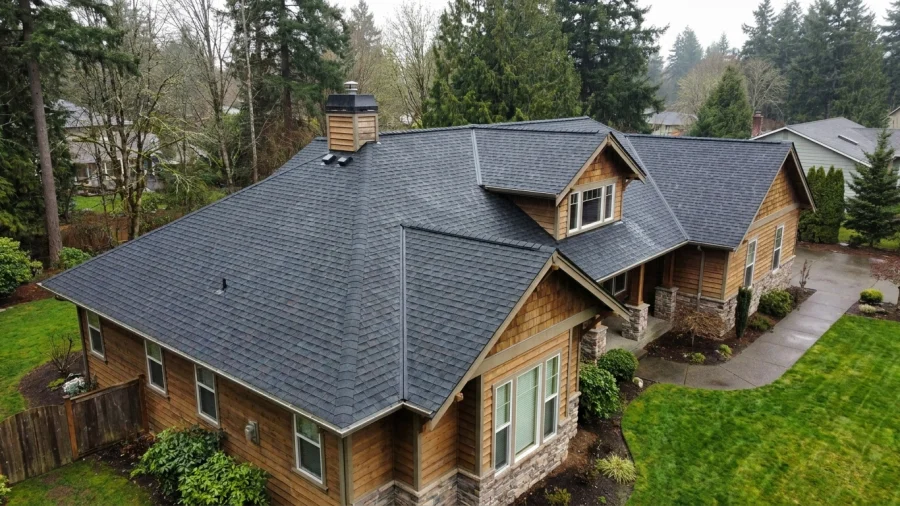
Your Roof as Your Home's Thermal Cap
When most homeowners think about a roof, they picture a basic shield against the rain. While keeping water out is certainly a priority in the Pacific Northwest, your roof actually serves as your home's primary thermal cap. Because heat naturally rises, the top of your house is the most critical area for winter heat loss. During the warmer months, a dark, unventilated roof can act like a giant radiator, baking the living spaces below and forcing your cooling system to work overtime. A truly energy-efficient roof is not just a specific type of shingle; it is a complete, integrated system designed to control both temperature and moisture.
The Three Pillars of an Energy-Efficient Roof
To achieve meaningful energy savings, a roof must be treated as an ecosystem. High-performance roofing systems rely on three core components working in harmony: the exterior materials, the airflow mechanism, and the thermal barrier.
- Materials: Modern shingles designed to reflect solar heat rather than absorbing it into the attic.
- Ventilation: A balanced breathing mechanism that regulates attic temperatures and flushes out trapped moisture.
- Insulation: The thermal blanket separating your conditioned living space from the volatile attic environment.
1. Roofing Materials That Reflect and Protect
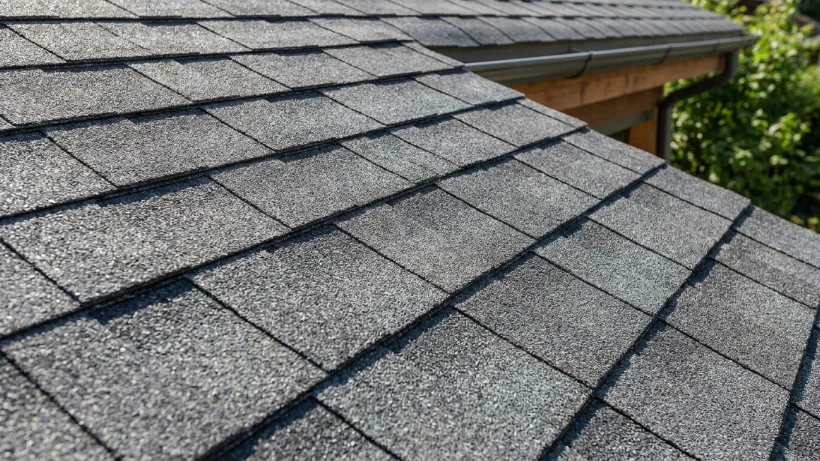
The outermost layer of your roof dictates how much solar energy enters the attic space. While traditional asphalt shingles absorb heat, modern architectural shingles often incorporate advanced granule technology. These specialized granules reflect a portion of the sun's UV rays instead of transferring that heat downward. In the summer, highly reflective asphalt shingles drastically reduce the workload on your HVAC system, helping keep your upper floors comfortable without running up the electricity bill.
2. The Critical Role of Attic Ventilation
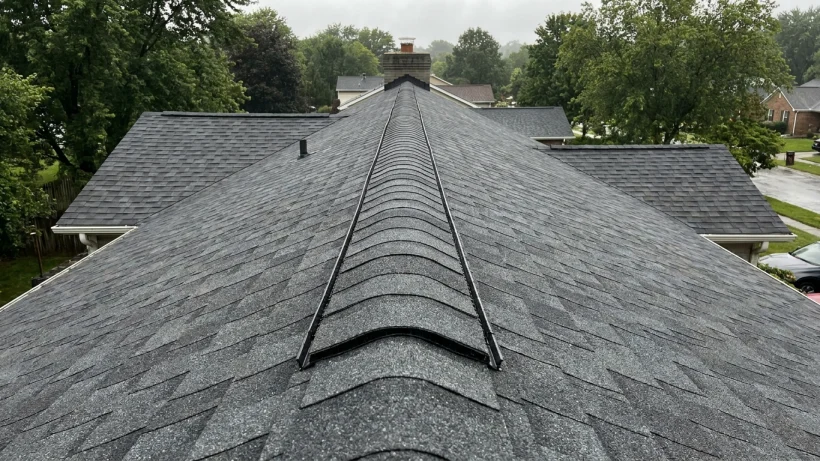
Airflow is the lungs of your roofing system. Proper attic ventilation requires a precise balance of intake vents, typically located at the soffits, and exhaust vents positioned at the ridge. During increasingly warm Washington summers, this continuous flow of air pushes out super-heated, trapped air before it can radiate down into your home. In the winter, ventilation is just as critical. It prevents condensation buildup that can lead to structural mold, rotted decking, and the formation of destructive ice dams along the eaves.
3. Attic Insulation: The Thermal Barrier
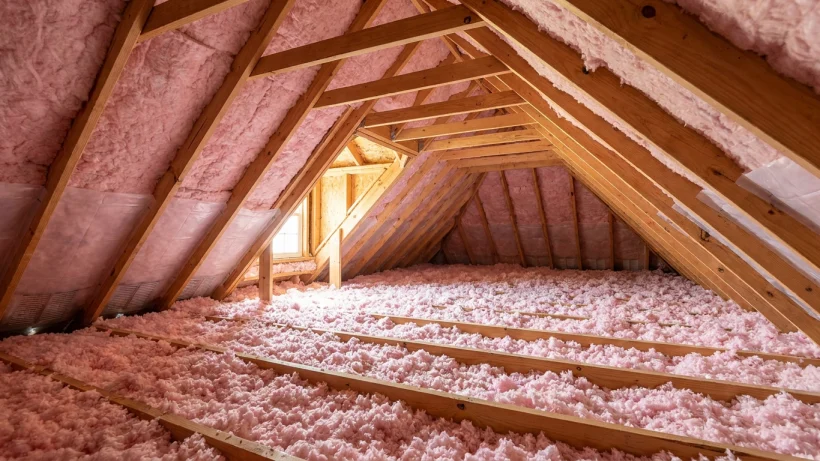
Even the highest-quality roofing materials will not save energy if heat freely escapes through the attic floor. Proper insulation acts as a strict boundary, keeping the furnace heat you pay for inside your living spaces during the winter. It is equally vital that insulation is installed correctly alongside the ventilation system. Installers must use plastic baffles near the eaves to keep insulation from blocking the soffit vents; otherwise, the airflow is choked off, and the entire system's efficiency collapses.
Designing for Washington Weather
The Pacific Northwest presents a unique environment for exterior remodeling. We experience a mix of moderate, deeply wet winters and increasingly hot, dry summers. In this climate, managing moisture through robust ventilation is just as important as managing temperature. A system properly calibrated for Puget Sound weather prevents the trapped dampness that causes early roof rot and compromises fiberglass or cellulose insulation. Ultimately, a breathable, well-insulated roof handles heavy rain and wind loads better while extending the overall lifespan of the materials.
Signs Your Current Roof is Wasting Energy
If you suspect your current roof is driving up your utility costs, there are several reliable indicators to look for before calling a contractor to inspect the property.
- Unexplained spikes in seasonal heating or cooling bills compared to previous years.
- Noticeable drafts or wildly uneven temperatures between your ground floor and upper bedrooms.
- Visible moss growth, curling shingles, or winter ice dams along the gutters, all of which strongly indicate poor ventilation and trapped thermal energy.
Investing in a Complete Roofing System
Nailing down new shingles over an underlying ventilation or insulation problem is a missed opportunity for long-term savings. A true energy-efficient upgrade addresses the exterior barrier, the attic airflow, and the thermal insulation simultaneously. Proper installation and field verification of these elements are just as important as the materials you choose. Taking a whole-system approach ensures lasting durability against Washington weather and helps offset the investment of a roof replacement through reliable, year-over-year savings on utility bills.