How to Choose a Roofing Contractor: A Washington Homeowner's Guide to the Process
Learn the step-by-step roof replacement process and discover how to evaluate estimates to choose a reliable roofing contractor in Washington.
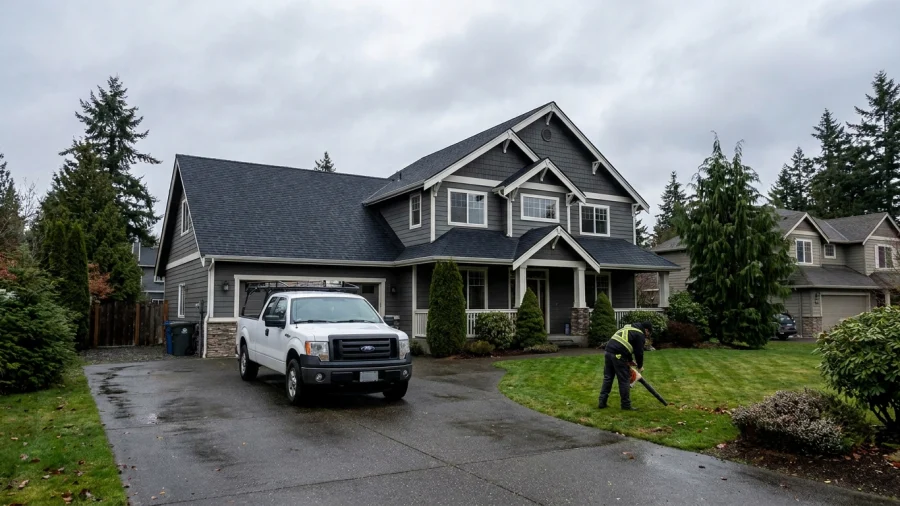
Replacing a roof in Western Washington is a significant project. With our region's heavy rain, wind, and damp conditions, you need more than just good materials—you need a properly installed roofing system and a reliable contractor to do the work. Understanding how to choose a roofing contractor starts with understanding the roofing process itself.
Why Understanding the Roofing Process Helps You Hire the Right Contractor
It might seem like you only need to look at reviews to find a good roofer, but knowing how a roof is actually installed changes how you interview a roofing company. A quality roof is a complete weatherproofing system, not just a top layer of asphalt. When you understand the steps involved, you can ask better questions, spot incomplete estimates, and identify contractors who might be taking shortcuts.
Familiarizing yourself with the process also prepares you for the reality of replacement day, including the noise, timeline, and logistics of having a major construction project happening on your property.
The Step-by-Step Roof Replacement Process Explained
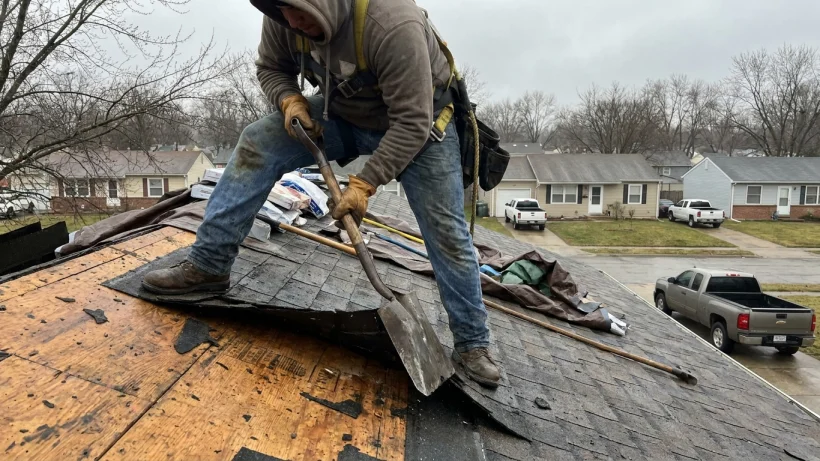
The actual physical work of replacing a roof involves several critical phases. Paying attention to these hidden steps is especially important in the rainy Pacific Northwest.
- Tear-off and Disposal: Removing all old layers down to the bare decking to expose any hidden rot or moisture damage.
- Decking Inspection and Structural Repair: Replacing soft, rotted, or warped plywood decking to ensure a solid foundation for the new roof.
- Weatherproofing: Installing drip edges, ice and water shields in leak-prone valleys, and a high-quality synthetic underlayment over the entire deck.
- Shingle Installation and Flashing: Laying the starter strip, installing the main field shingles, and properly flashing around chimneys, skylights, and pipe collars.
- Ventilation and Cleanup: Upgrading ridge or box vents to ensure the attic breathes properly, followed by a thorough site cleanup including magnetic sweeping for stray nails.
What a Professional Contractor Should Do During the Estimate
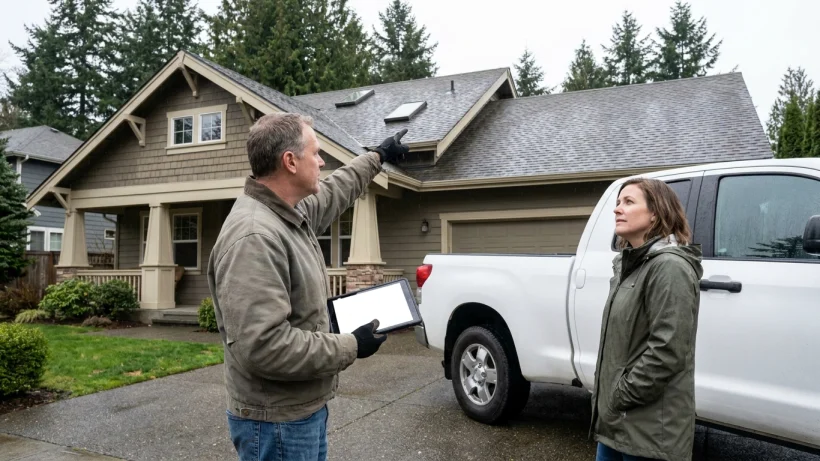
The initial consultation is your best opportunity to gauge a contractor's thoroughness. A professional will investigate the current state of your roof before ever giving you a price. Relying solely on satellite measurements without a physical inspection can lead to costly surprises later.
- They should physically inspect the exterior of the roof to assess wear, pitch, and access.
- They should ask to see the attic to check the underside of the decking for moisture, mold, and proper air circulation.
- They should explain their findings clearly, educating you on your options without using high-pressure sales tactics or demanding a signature that same day.
Key Criteria for Choosing a Washington Roofing Contractor
Beyond the inspection, you need to verify that the business itself is built to protect you. Use this practical checklist of credentials and business practices to evaluate potential local roofing companies.
- Verify their Washington State licensing, bonding, and insurance through the Department of Labor & Industries (L&I).
- Check their local reputation, physical business address, and history of working specifically in the Puget Sound region.
- Look for manufacturer certifications, which indicate they follow strict installation guidelines set by the brands they install.
- Assess their communication: Are they responsive, clear, and willing to answer detailed questions about your specific home?
How to Compare Roofing Bids Apples-to-Apples
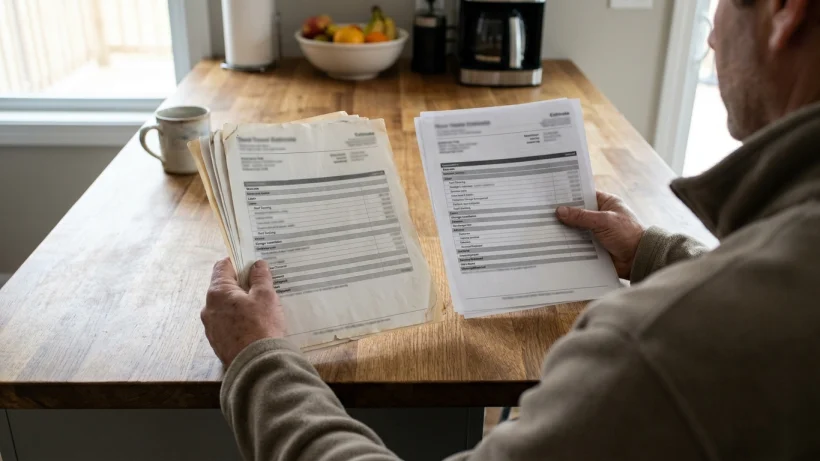
When the estimates arrive, the lowest price is rarely the best value. To avoid choosing a 'cheap' bid that excludes necessary work, you need to compare the detailed scopes of work side-by-side.
- Ensure all bids explicitly include full tear-off and disposal fees.
- Check how each contractor prices plywood decking replacement. Is the first sheet included? What is the per-sheet cost if more rot is found?
- Compare the specific materials quoted, including the brand and line of shingles, the type of underlayment, and the thickness of the flashing.
- Review the cleanup process, site protection measures, and project timeline outlined in the written bid.
Taking the time to line up the details ensures you are paying for a complete, durable roofing system designed to handle years of Washington weather, installed by a contractor you can trust.