Is a metal roof worth it in the Pacific Northwest's rainy climate?
Metal roofing can be a good fit for a Western Washington home, but rainy weather does not make it the best choice for every roof. Here is how to weigh the product, installation details, cost, and upkeep.
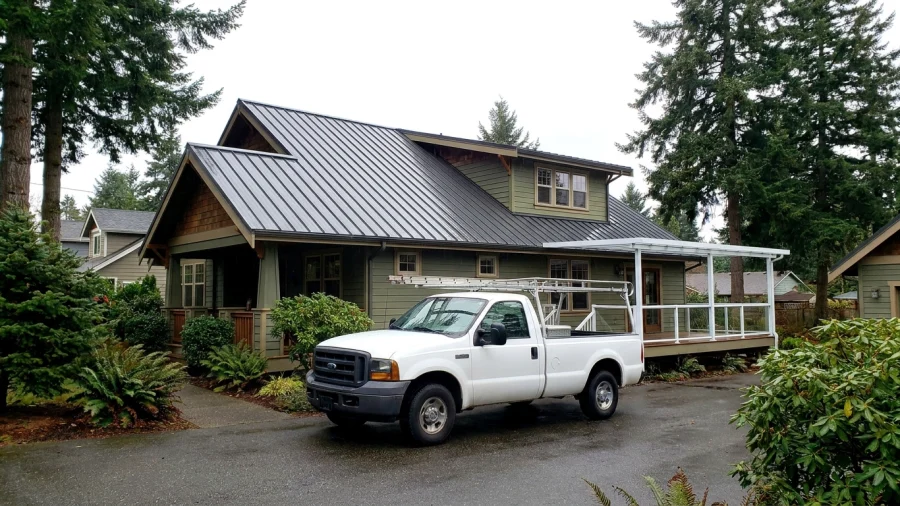
A metal roof can be appealing in Western Washington, where roofs face long wet seasons and frequent transitions between rain, wind, and damp conditions. But the covering is only one part of the roof. Whether metal is worth the investment depends on the home’s roof shape, the selected product, the details beneath and around the panels, and the quality of installation.
Why metal roofing can make sense in a rainy climate
Many metal roof profiles shed water effectively when they are suited to the roof’s slope and installed as designed. That can make metal an attractive option in the Pacific Northwest. It does not, however, make a roof leak-proof. Water still has to move safely past valleys, edges, walls, chimneys, skylights, and other openings.
A useful starting point is an assessment of the existing roof: its pitch and geometry, drainage paths, decking condition, attic conditions, and any history of leaks. Those findings help determine whether a particular metal system fits the home and what supporting work belongs in the project.
Potential benefits for Washington homeowners
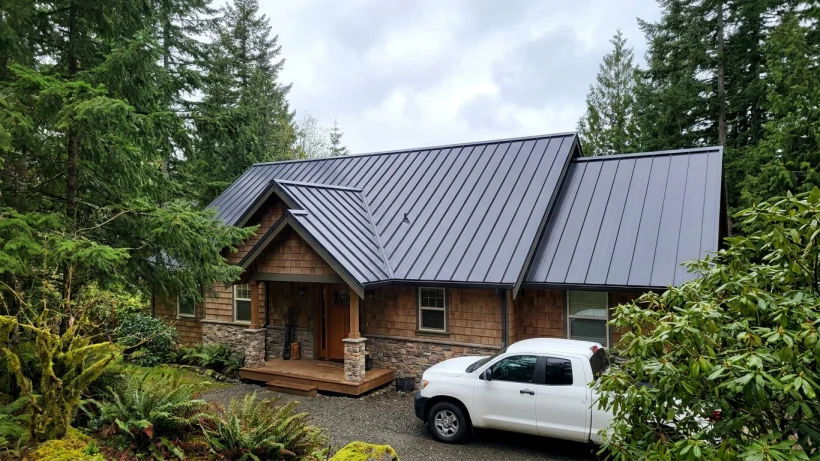
Metal roofing offers a range of panel profiles, materials, finishes, and installation methods. Standing seam has a distinct look, while other profiles may suit different home styles. Rather than treating “metal roof” as one product, compare the specifications for the proposed system, including its requirements for slope, fastening, and detailing.
Water shedding is a practical advantage when the whole assembly is designed well. In a rainy climate, the details at valleys and transitions to walls or other roof sections deserve particular attention. Some metal products can also provide long service when properly selected, installed, and maintained, but expected performance depends on the product, site conditions, and upkeep.
Appearance matters, too. Panel width, seam pattern, trim, color, and finish can all change how prominent the roof looks from the street. Reviewing samples alongside the home’s siding and architectural style is more useful than choosing from a small online image.
Tradeoffs to consider before choosing metal
Metal can require a higher upfront investment than some common roofing alternatives. The difference depends on the selected material and profile, roof size and complexity, tear-off, decking repairs, and the flashing and ventilation work included. A simple price comparison may miss important differences in scope.
Rain sound is another reasonable question, but there is no single answer for every house. What occupants hear depends on the complete roof assembly, insulation, attic space, and ceiling construction. Ask how the proposed assembly will be built rather than assuming the panels alone determine the sound indoors.
Metal’s visible seams and trim are a feature for some homeowners and a drawback for others. It also still requires inspection and maintenance. No roof covering eliminates the possibility of leaks, debris buildup, or weather-related damage.
Roof details that matter as much as the panels
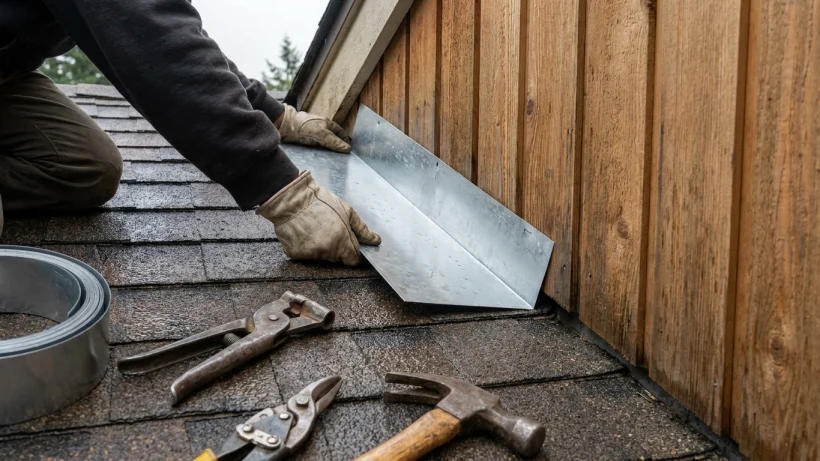
In wet weather, vulnerable areas are often the places where the roof changes direction or meets another surface. A complete proposal should explain the planned underlayment and how flashing will be handled at valleys, eaves, ridges, penetrations, and roof-to-wall connections. It should also identify how water will drain off each roof section.
Roof pitch and geometry can limit which panel systems are appropriate. A contractor should verify the home’s measurements and conditions on site, then check the selected product’s installation requirements. This is especially important on roofs with multiple valleys, dormers, skylights, or connected sections.
The attic deserves attention as well. Ventilation and existing moisture conditions should be assessed as part of the roof plan; replacing the outer covering alone may not resolve condensation or dampness below it. Clarify how damaged decking or other concealed conditions will be documented, priced, and approved if they appear after tear-off.
Metal roofing compared with asphalt shingles
Asphalt shingles are a familiar option available in a range of styles. Metal offers a different appearance and set of panel and trim details. Either can be a reasonable choice when the selected product suits the roof and the installation addresses water management, ventilation, and vulnerable transitions.
Compare the options against your priorities: initial investment, appearance, product choices, and expected maintenance. Installation quality matters for both. Broad claims about which material always lasts longer, saves more energy, or handles Washington weather better are less useful than product-specific information and a plan for your particular roof.
For a fair bid comparison, look beyond the covering material. Check whether each proposal includes the same tear-off and disposal work, underlayment, flashing, ventilation work, cleanup, and process for concealed repairs. Differences in those items can explain differences in price.
Questions to ask when reviewing a metal roof estimate
A clear estimate should make it possible to understand both the product and the work required to install it. These questions can help identify gaps before comparing proposals:
- Which metal product, material, finish, and panel profile are included, and what specifications apply to this roof’s slope and layout?
- What work is included at valleys, edges, ridges, penetrations, and roof-to-wall transitions?
- Are tear-off, disposal, underlayment, ventilation changes, and cleanup included? Which items are excluded?
- How will the decking be inspected, and how will any concealed damage and additional work be documented and approved?
- What maintenance guidance and product documents will be provided? Which terms should be reviewed directly with the manufacturer and installer?
An estimate made before a thorough site assessment may need to change once measurements and roof conditions are verified. Ask that any assumptions and allowances be stated clearly so the final scope is easier to understand.
So, is a metal roof worth it in the Pacific Northwest?
It can be, particularly if you value its appearance and the selected system fits your roof and budget. Rainy weather raises the importance of sound design and careful installation; it does not make metal the automatic best choice.
A practical decision weighs upfront investment, roof complexity, ventilation needs, appearance, and maintenance expectations together. Comparing at least two clearly scoped proposals can help reveal differences in materials and installation details. Ground the choice in an on-site roof assessment and product-specific information, not a general claim about what a roofing material will do.