Roof Damage Insurance Claims in Washington: What to Expect
Suspected roof damage can raise two separate questions: what work does the roof need, and what will your insurance policy cover? This guide walks Washington homeowners through documentation, inspections, scope comparisons, and repair planning.
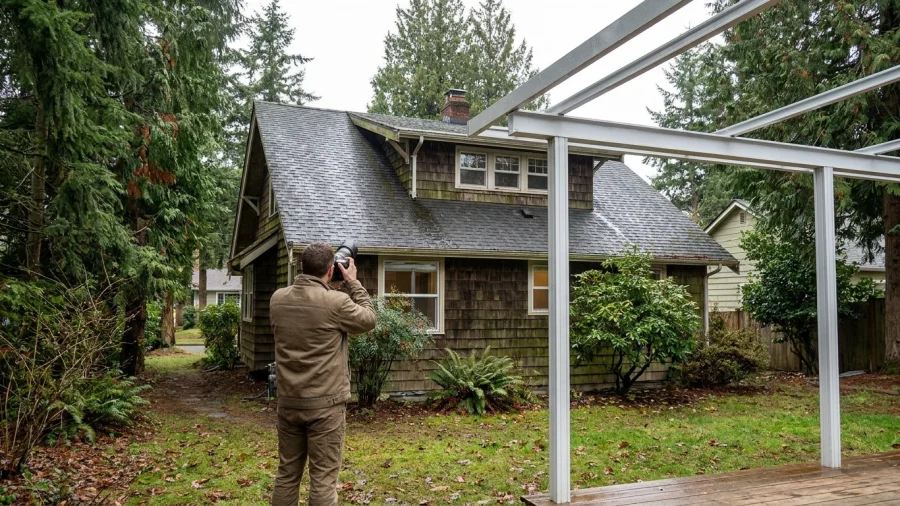
After wind, falling debris, or a sudden leak, it can be hard to know what to do first. For a roof damage insurance claim in Washington, start with safety and a clear record of what you observe. A roofing professional can assess the condition of the roof, while your insurer reviews whether the reported damage is covered under your policy.
Start by checking for immediate safety concerns
Stay off a wet, steep, damaged, or otherwise unsafe roof. Look for fallen branches, displaced roofing, or other visible changes from the ground, and check ceilings and attic areas only where you can do so safely. If water is entering the home, protect belongings and take reasonable temporary steps to limit damage when safe.
Take photos and keep receipts for protective materials or temporary work, but do not delay an urgent safety measure just to document it. A leak or missing shingle warrants investigation; by itself, it does not establish the cause of damage or whether a policy covers it.
Understand what an insurance claim can—and cannot—tell you
Coverage depends on your policy, the reported event, and the insurer’s review of the cause, timing, and extent of damage. A policy may treat sudden damage differently from deterioration, maintenance problems, or conditions that developed over time. Even if a storm passed through your area, it may not explain every issue found on the roof.
A roofing professional can inspect accessible conditions, document observations, and describe a proposed repair or replacement scope. The insurer makes the coverage decision. Keeping those roles separate helps you ask useful questions without assuming an inspection or estimate means a claim will be approved.
Document what you notice before and after contacting your insurer
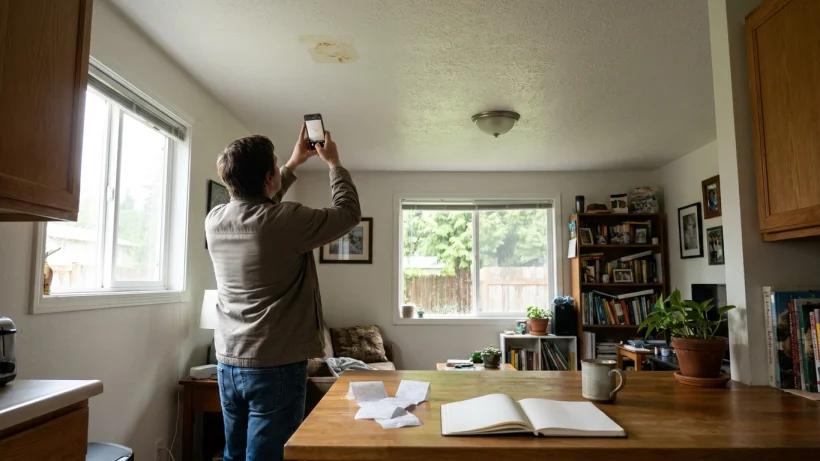
Make a straightforward record while details are fresh. Describe what you can see and when you noticed it rather than guessing about the cause, age, or repairability of damage.
- Note the date you noticed the problem and any relevant weather event as accurately as you can.
- Photograph ceiling stains, damaged belongings, fallen branches, and visible exterior conditions from safe locations.
- Record when leaks occur, which rooms are affected, and what you did to limit further damage.
- Save receipts, estimates, inspection notes, emails, and letters in one place.
Contact the insurer and prepare for an inspection
Use the reporting method provided by your insurer. Ask what information is useful, how the process works, and what to expect next. Keep the claim reference and the names or roles of people you speak with alongside your other records.
Before an inspection, ask which areas will be reviewed and whether someone needs to be present. Share relevant photos and point out interior symptoms, including where and when water has appeared. The inspection is a step in assessing the reported loss, not a guarantee of coverage or a final decision about the repair.
Review the insurer’s scope alongside a roof professional’s findings
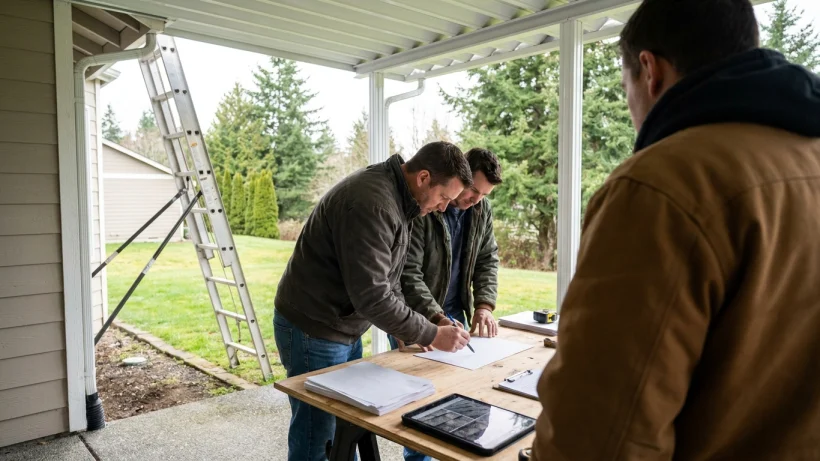
When you receive an insurer estimate or scope, compare it with the roofing professional’s written findings. Check which roof areas, materials, repair tasks, and related items each document includes. Mark anything that appears excluded or unclear rather than assuming the documents describe the same work.
Ask the roofing professional to explain field observations with photos and an itemized scope. Roof geometry, existing layers, flashing, ventilation, and access can affect what a repair requires. Some conditions may not be clear until a closer inspection or work begins. An online estimate or brief visual review is not a substitute for field verification.
If the scopes differ, ask your insurer how to submit additional photos or findings and what review process applies. Specific, written questions are more useful than assuming either document is complete.
Know which policy details to clarify before planning repairs
Review your own policy and ask your insurer how its terms apply to the reported loss. These questions can help you understand the process without treating a general explanation as an interpretation of your coverage:
- Does the policy describe payment using replacement cost, actual cash value, or another method, and what conditions apply?
- What is the deductible for this loss, and how does it apply? Do not assume it will be waived or reimbursed.
- Are there deadlines, documentation requirements, or approval steps to understand before non-urgent work begins?
- How does the policy address temporary repairs, matching materials, code-related items, or damage discovered later?
For questions about what your policy means, ask your insurer directly. An appropriate Washington consumer insurance resource may also help you understand general insurance terminology and processes.
Plan roof work around scope, weather, and complete-system details
Before work starts, confirm the agreed repair or replacement scope, materials, site protection, debris handling, and expected sequence in writing. Ask how the plan addresses underlayment, flashing, ventilation, and roof-deck conditions that may only be confirmed during work.
Western Washington rain makes temporary protection and a realistic weather plan important. Discuss how exposed areas will be managed if conditions change. Keep the insurer’s paperwork separate from the contractor’s construction agreement, and review each before signing. The final work plan should reflect verified field conditions and the agreed scope—not just an initial estimate.