Roof Repair vs. Replacement: A Washington Homeowner's Guide
A leak after a Western Washington storm does not always mean you need a new roof. Learn how roof age, damage patterns, and conditions beneath the shingles help determine whether a repair or replacement makes more sense.
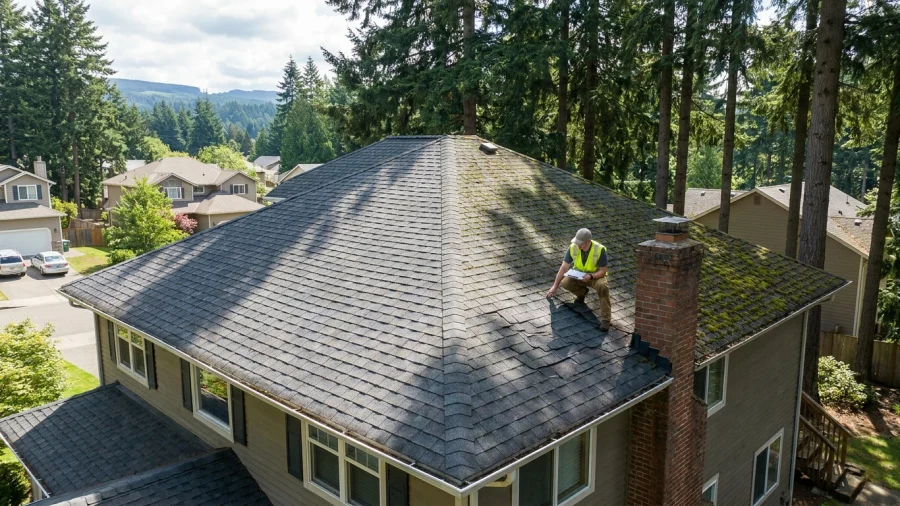
A missing shingle or ceiling stain can feel urgent during a Western Washington rainy season. The first priority is to limit water damage safely; the next is to determine whether the problem is isolated or part of a roof that is wearing out. That distinction can help you avoid repeated patches on a failing roof—or replacing one that still has useful life.
The Washington Homeowner’s Dilemma: Patch or Replace?
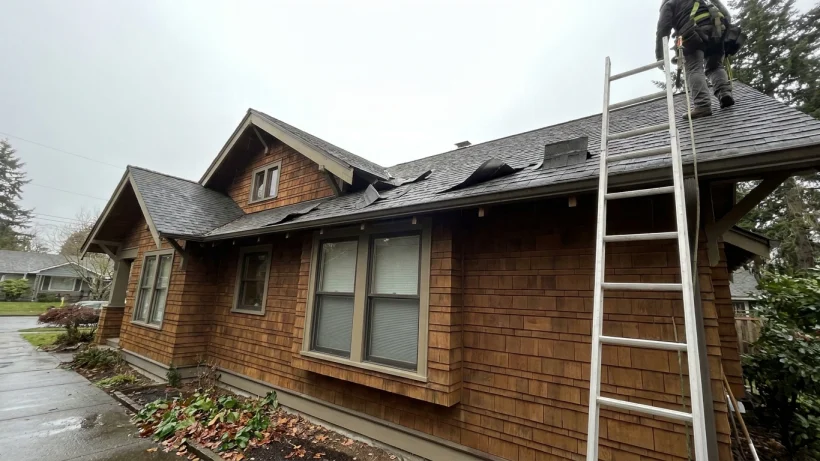
Wind-driven rain can expose a small flashing defect or reveal deterioration across an entire roof. A leak’s location indoors does not necessarily identify its source: water may travel along decking or framing before it becomes visible. The repair-versus-replacement decision should account for the roof’s age, the extent of damage, and the condition of the shingles, flashing, underlayment, decking, and ventilation together.
When a Roof Repair Makes Sense
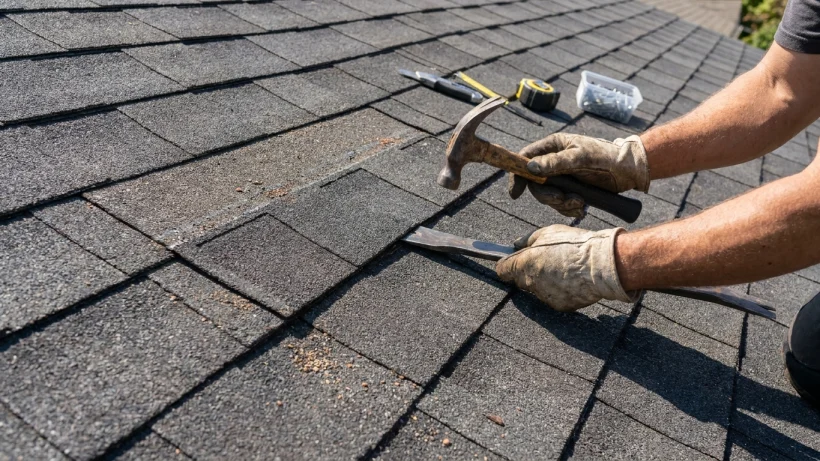
A localized repair is often reasonable when the surrounding roof is in good condition and the cause can be identified. A relatively young roof—often under about 10 to 15 years old—is a stronger repair candidate, though installation quality and exposure matter more than age alone.
- A branch damaged a limited area, or wind lifted a few shingles while nearby shingles remain sound.
- A leak traces to flashing at a chimney, vent, or skylight rather than widespread shingle wear.
- Inspection shows the decking beneath the affected area is dry and structurally sound.
- The proposed repair addresses the source of water entry, not just the interior stain.
Ask whether replacement materials can be integrated with the existing roof and whether the surrounding shingles can withstand the work. Even a small repair needs properly installed flashing and water-shedding details.
Signs It’s Time for a Full Roof Replacement
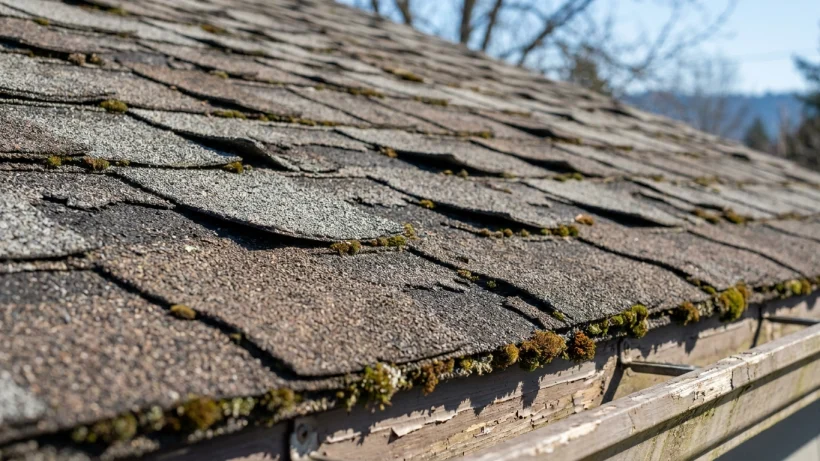
Replacement becomes more practical when damage is spread across multiple areas or the roof can no longer shed water reliably. An asphalt roof approaching or past 20 years old deserves a close evaluation, but age alone is not a verdict. Product type, installation, maintenance, and weather exposure affect its condition.
- Curling, cracking, or cupped shingles appear across multiple slopes.
- Shingles have widespread bald spots, or gutters collect substantial shingle granules.
- Leaks appear in several attic locations or return after repairs.
- The roofline sags, which may indicate a structural or moisture problem that needs prompt assessment.
Do not assume moss alone means the roof needs replacing. What matters is the condition of the roofing beneath it and whether cleaning or attempted removal would damage already weakened shingles. If the roofline is sagging, avoid walking on the roof and have the structure evaluated.
The Hidden Factors: What’s Happening Under the Shingles?
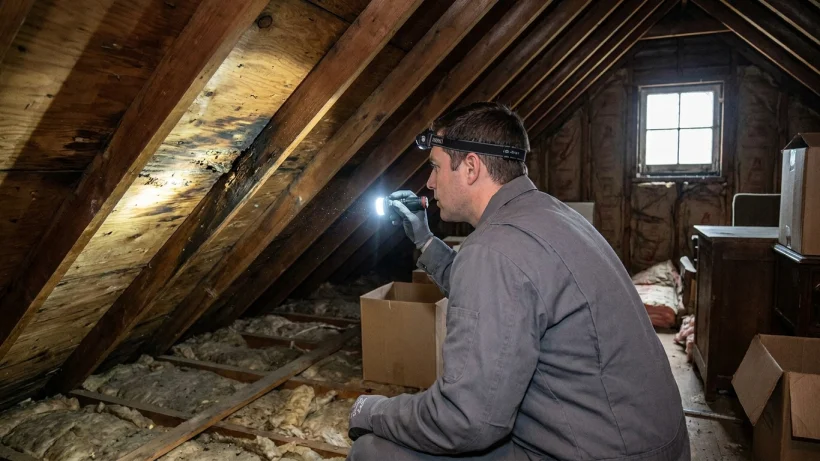
Shingles are one part of a roof system. Underlayment provides a secondary layer of protection, while ice-and-water protection may be used at vulnerable locations as appropriate for the roof design. Flashing directs water away from penetrations and transitions. These details matter in the Pacific Northwest, where prolonged rain gives small installation gaps repeated opportunities to admit water.
Decking condition can change the scope of either option. If plywood or other roof decking has softened or rotted after prolonged moisture exposure, replacing shingles over it will not solve the underlying problem. An attic inspection can reveal staining, dampness, or condensation that is not obvious from the exterior.
Ventilation also deserves attention. An attic that traps heat can accelerate shingle aging; trapped moisture can contribute to condensation and damage to wood. A contractor should assess intake and exhaust ventilation and distinguish an attic moisture issue from an exterior roof leak. Depending on the findings, correcting ventilation may be part of a repair plan or a broader replacement.
The Cost-Benefit Breakdown: Avoiding the Repair Treadmill
The lowest immediate quote is not always the lowest long-term cost. Repeated leak visits, interior damage, and repairs to different aging sections can add up without resolving a roof-wide problem. On the other hand, replacing a sound roof because of one fixable flashing defect is an unnecessary expense.
Compare the cost and expected usefulness of a targeted repair with the scope of a full replacement, including any decking work, flashing, ventilation, and drainage details identified during inspection. A complete new roof system, including coordinated components from a manufacturer such as GAF, can provide a fresh, consistent weather barrier when the existing system is worn out. It may also improve attic performance if ventilation problems are corrected, but shingles alone do not guarantee lower energy bills.
What to Expect from a Professional Roof Inspection
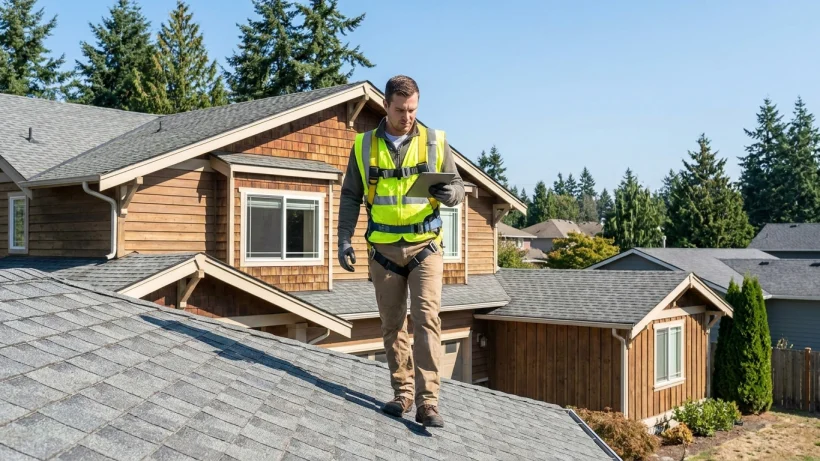
A useful inspection examines more than the spot where water appeared indoors. The contractor should assess exterior shingles and flashing, look in accessible attic areas for moisture and decking concerns, and check gutters and perimeter drainage for signs of overflow or concentrated runoff.
- Photos showing the damage and its location, so you can see what supports the recommendation.
- An explanation of whether the problem is isolated, widespread, or uncertain until roofing materials are removed.
- A repair scope that identifies what will be replaced or resealed and any limits to that work.
- A replacement scope that identifies roof-system components and explains how unexpected decking damage would be handled.
- Clear, separate estimates for repair and replacement when both are viable options.
A sound recommendation should connect the proposed work to observed conditions, not simply the roof’s age or a single ceiling stain. Some concealed damage cannot be confirmed until materials are opened up; a clear estimate should explain that uncertainty before work begins.