Roof Replacement Timeline: What to Expect in Western Washington's Rainy Season
A roof replacement follows a planned sequence, but Western Washington weather and conditions found during tear-off can change the schedule. Here is what to expect and how to prepare.
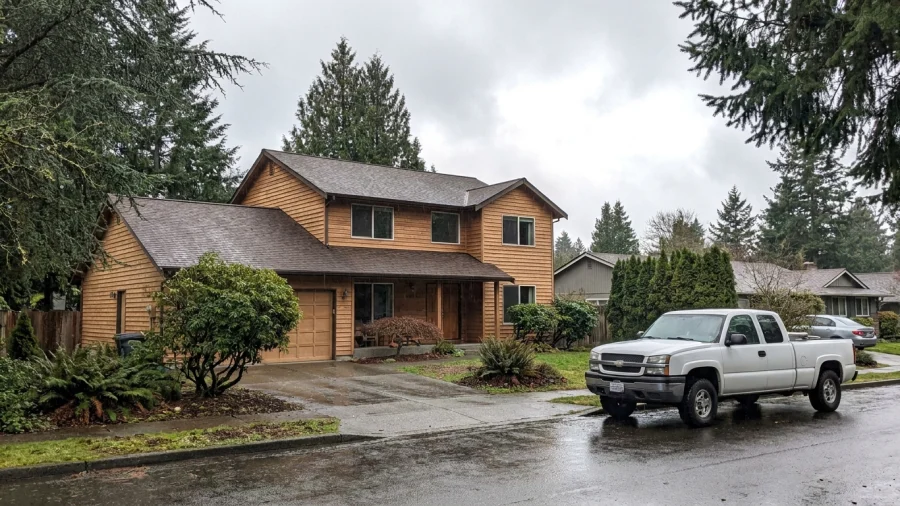
A roof replacement timeline is more than a start date and a projected finish date. In Western Washington, crews must plan around changing rain and wind while leaving the roof protected at the end of each work period. Understanding the sequence—and which parts may change—makes it easier to prepare your home and follow the project's progress.
Why rainy-season roof schedules need flexibility
Wet-season forecasts can change quickly. Rain, wind, limited daylight, and slippery surfaces may affect when a crew can safely remove old roofing or install new materials. A contractor may delay or pause work rather than open a roof when conditions do not allow safe work or proper installation.
The home also shapes the schedule. A large or steep roof, multiple roof planes, difficult access, extra layers to remove, or repairs discovered beneath the old roofing can add work. Crew availability and material delivery matter too. Treat the proposed schedule as a plan that should be updated as conditions become clearer, not a guaranteed completion date.
Before the crew arrives: estimate, verification, and scheduling
Start with a written scope you can follow. Review the proposed roofing material, tear-off, underlayment, flashing, ventilation work, and cleanup. Ask how the contractor will assess and price damaged decking or other concealed conditions if they appear after tear-off. A field visit can verify measurements, access, and roof details that an initial estimate may not capture.
Before a start window is set, confirm material availability and delivery plans. Permit and inspection requirements vary by location and project, so clarify what applies to your home and who will coordinate each step. Also agree on how you will receive weather updates, how much notice to expect if the schedule changes, and which conditions could prompt a delay.
A typical roof replacement timeline, step by step
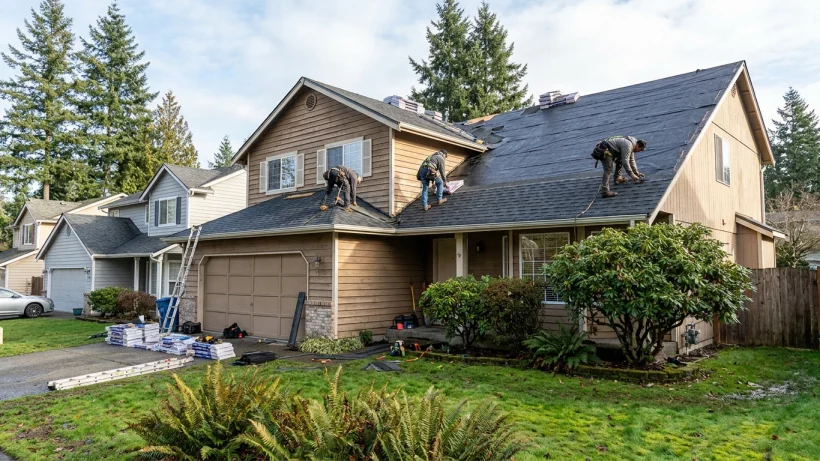
The length and order of work vary by roof and weather, but most replacements move through these stages:
- Site setup: The crew establishes access, positions materials and equipment, and protects nearby areas before work begins.
- Tear-off and inspection: Old roofing is removed in manageable sections so the roof deck and underlying conditions can be checked.
- Dry-in and installation: The crew installs specified protective layers and roof-system components, then the roofing material and details such as flashing or ridge ventilation where included in the scope.
- Repairs or added scope: If damaged decking or another concealed issue appears, the contractor should explain and document the proposed work and obtain your approval before proceeding.
- Cleanup and closeout: The crew collects debris, checks completed work, and explains any remaining inspection or documentation steps.
These stages may span more than one workday, and a repair discovered during tear-off can change the plan. Ask what portion of the roof the crew expects to complete or protect before leaving each day.
How rain and wind can change the workday
Not every shower affects a project the same way. The decision to work depends on the task underway, roof slope, wind, surface conditions, and whether exposed areas can be protected. Rain can complicate tear-off and material handling; wind may make work unsafe even when the roof is otherwise dry.
Crews may limit work to an area they can protect, adjust the start time, pause, or return when conditions improve. Ask what temporary protection is planned if the forecast shifts, and request an update on what has been completed and what remains. A weather interruption is not, by itself, a sign of poor workmanship.
What homeowners can do to prepare
A little preparation helps keep access clear and reduces the chance that belongings are disturbed during the work:
- Move vehicles away from the work area and clear paths around the house as requested.
- Protect or relocate patio furniture, planters, and other movable items near the home; discuss any landscaping that needs special care.
- Secure fragile wall items if the contractor advises that roof work may cause vibration.
- Keep children and pets out of the work zone, and share parking or access constraints before the crew arrives.
- Identify one homeowner contact for schedule updates, site questions, and decisions about unexpected conditions.
Questions to ask about schedule, protection, and scope
When comparing proposals, ask how the contractor plans to manage the whole roof system and the worksite, not just how quickly shingles can be installed:
- What is the expected work sequence, and what might change the planned schedule?
- How will exposed sections be protected if rain or wind arrives during the job?
- How will concealed deck damage be documented, discussed, and approved before added work?
- Which underlayment, flashing, ventilation, and cleanup work is included in the quoted scope?
- Who will provide schedule and scope updates, and how will those updates reach me?
- Who handles any applicable permit and inspection coordination, and what should I expect after installation?
After installation: final checks and remaining steps
Once installation is complete, review the work with the contractor and ask about any project-specific details or follow-up items. Confirm that the agreed cleanup is finished and clarify how any remaining debris or materials will be removed. The crew's last installation day may not be the final project milestone if an inspection or other closeout step applies.
Keep the estimate, approved changes, product information, and completion records together. Your project's scope and local requirements—not a generic timeline—should guide what happens next and who is responsible for it.