Roof Tear-Off vs. Overlay: Which is Right for Your Washington Home?
Comparing roof tear-offs and shingle overlays? Learn why tearing off old shingles is essential for protecting your Washington home from hidden water damage.
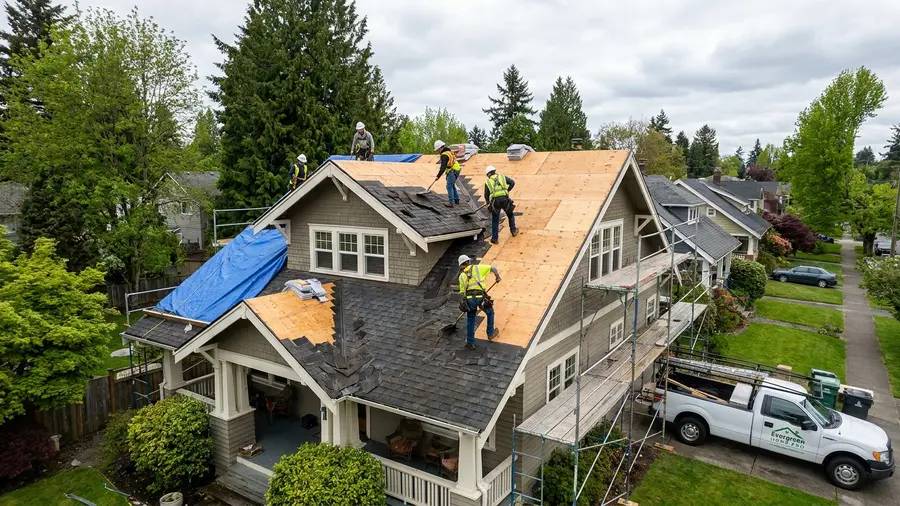
When it comes time to replace a failing roof, homeowners are generally presented with two primary installation methods: a complete roof tear-off or a shingle overlay. While saving time and money upfront by covering up old shingles might sound appealing, understanding the long-term implications of this choice is critical for protecting your home.
Understanding Your Roof Replacement Options
The core difference between these two methods comes down to preparation. An overlay, sometimes called a re-roof, involves nailing a new layer of asphalt shingles directly over the existing roof. While overlays were somewhat common in the past, modern roofing practices highly favor a complete replacement.
- A full tear-off involves removing all old roofing materials down to the bare wooden decking.
- An overlay skips the removal process, leaving the old shingles, underlayment, and potential issues in place.
The Hidden Risks of Roof Overlays in the Pacific Northwest
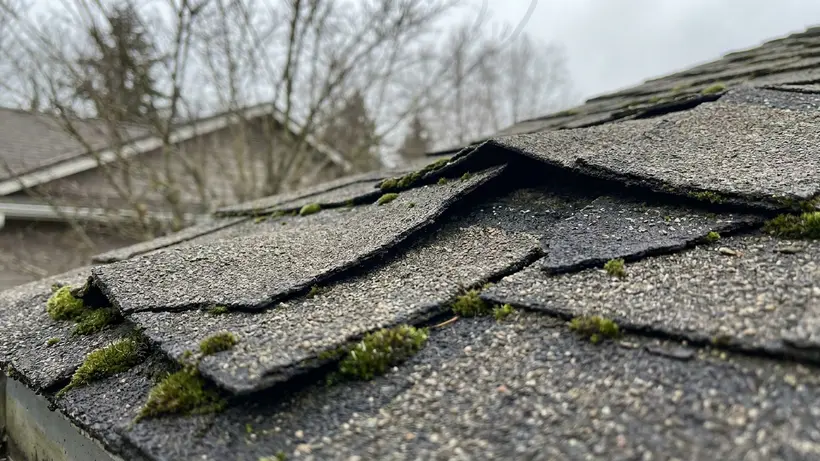
Western Washington receives significant, persistent rainfall throughout the year. Over time, wind-driven rain and standing moisture easily find their way under aging or failing shingles. If you choose an overlay, any moisture trapped within the old roof system remains sealed against your home's structural framing.
Without performing a tear-off, roofing contractors cannot physically inspect the underlying plywood. Soft spots, hidden mold, rotting wood, and structural compromises are completely masked by the old shingle layer, leaving your home vulnerable to continuous deterioration.
Why a Full Tear-Off is the Industry Standard
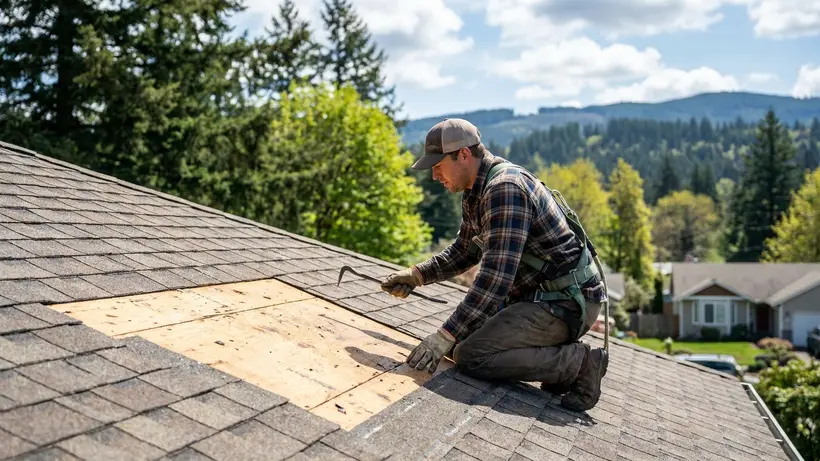
Starting with a clean slate is the only way to build a complete, resilient roofing system. Exposing the bare roof deck allows the installation crew to locate and replace any damaged, warped, or rotted wood, ensuring the new shingles have a solid foundation to grip.
A full tear-off is also required to install modern waterproofing components correctly. Ice and water shields, which protect critical leak-prone areas like roof valleys and eaves, must be applied directly to clean decking. Furthermore, removing the old roof allows the crew to replace and properly integrate brand-new metal flashing around chimneys, skylights, and vents.
Structural Weight and Building Code Concerns
Asphalt shingles are incredibly heavy materials. A standard single layer of architectural shingles can add thousands of pounds to your roof structure. Adding a second layer effectively doubles this weight, putting severe, continuous stress on the roof trusses and load-bearing walls.
Because of these significant structural safety concerns, many local building codes throughout Washington state strictly limit the number of roofing layers a house can have. Always verify local municipal codes, as an overlay may not even be a legal option for your property if it already has multiple layers.
Impact on Roof Lifespan and Material Standards
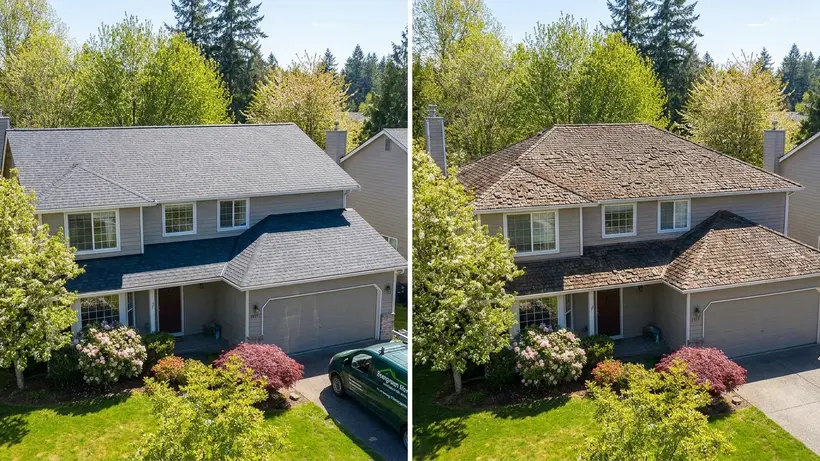
The installation method you choose directly affects how long your new roof will last and how it will look. Imperfections in the old roof, such as curling edges, bumps, or missing shingles, will eventually 'telegraph' through the new layer. This means the new shingles will settle into the uneven gaps below, ruining the clean, flat curb appeal of a new roof.
Additionally, an overlay impacts material performance. Multiple layers of asphalt tend to trap more heat in the attic and roof deck, which can cause the outer layer of new shingles to degrade and curl prematurely. Because of this, many top-tier roofing manufacturers require their products to be installed on a clean, appropriately prepared deck for the materials to perform to their tested standards.
Cost Comparison: Short-Term Savings vs. Long-Term Value
When comparing estimates, an overlay will often have a lower upfront cost. This is simply because the contractor is skipping the labor hours required to strip the roof, as well as the heavy dump fees associated with disposing of the old materials.
However, the long-term costs of an overlay generally outpace those initial savings. If hidden rot continues to spread, or if the overlay fails prematurely due to trapped heat and moisture, you may face expensive interior drywall damage. Furthermore, when that overlaid roof eventually needs to be replaced, the next tear-off will cost significantly more, as the crew will be charging double the labor and dump fees to remove two heavy layers of shingles.