Why Roof Ventilation is Critical for Washington Homes
Learn how proper attic ventilation and moisture control protect Washington roofs from the harsh Pacific Northwest climate.
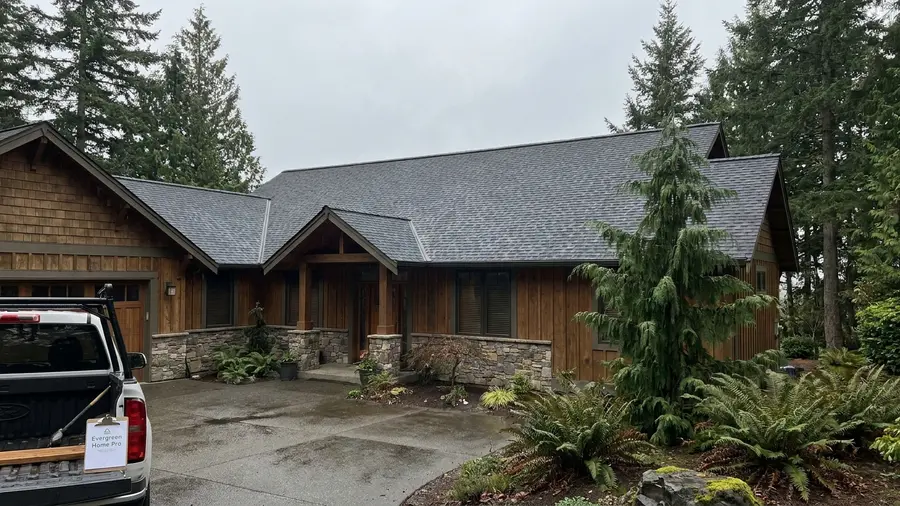
The Pacific Northwest climate puts unique stress on a home's exterior. While modern architectural shingles do an excellent job of shedding heavy rain, what happens underneath the surface is just as important. Proper roof ventilation is the unsung hero of a durable roof in Washington, playing a critical role in preventing moisture damage and extending the life of your roofing system.
Why Roof Ventilation Matters So Much in the Pacific Northwest
The combination of heavy rain, high humidity, and fluctuating seasonal temperatures creates a demanding environment for roofs in Western Washington. While it is easy to focus on exterior weather, interior moisture is often a roof's biggest enemy.
Without proper ventilation, everyday household moisture generated from showers, cooking, and heating naturally rises and gets trapped in the attic. When this warm, trapped moisture hits the cooler underside of the roof deck during a chilly Washington winter, it turns into condensation.
Over time, this constant condensation can cause wood rot, mold growth, and compromised structural integrity in the roof decking. Managing this moisture is essential for keeping a home safe and dry.
The Science of Airflow: Balancing Intake and Exhaust
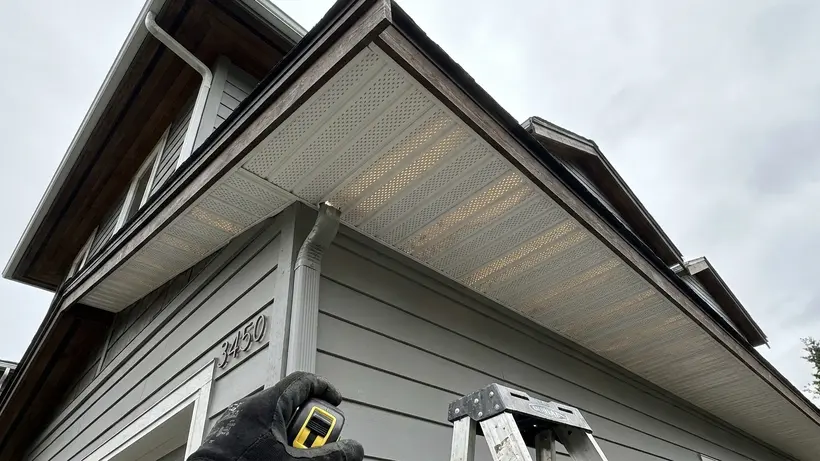
Effective roof ventilation relies on a continuous flow of air. To achieve this, a roofing system must balance intake and exhaust, creating a natural chimney effect that constantly cycles air through the attic space.
- Intake vents: Typically located in the soffits or eaves, these vents allow cool, fresh outdoor air to enter the lower part of the attic.
- Exhaust vents: Positioned near the peak of the roof, such as ridge vents or roof louvers, these vents allow hot, moist air to escape.
When intake and exhaust are properly balanced, natural convection takes over. This constant cycle flushes the attic with dry air, managing internal temperatures and preventing moisture from settling on the wood framing.
4 Signs Your Washington Home Has Poor Roof Ventilation
It is not always obvious when an attic is struggling to breathe, but there are clear indicators homeowners can look for to determine if their roof lacks proper airflow.
- Condensation or frost forming on attic nail heads and roof decking during cold winter months.
- Dark stains, mold, or mildew developing on the plywood decking inside the attic space.
- Prematurely aging, blistering, or curling asphalt shingles caused by trapped attic heat baking the roofing materials from the inside out.
- The formation of ice dams at the roof edge during freezing temperatures, often caused by uneven roof deck temperatures melting snow.
How Ventilation Fits Into a Complete Roofing System
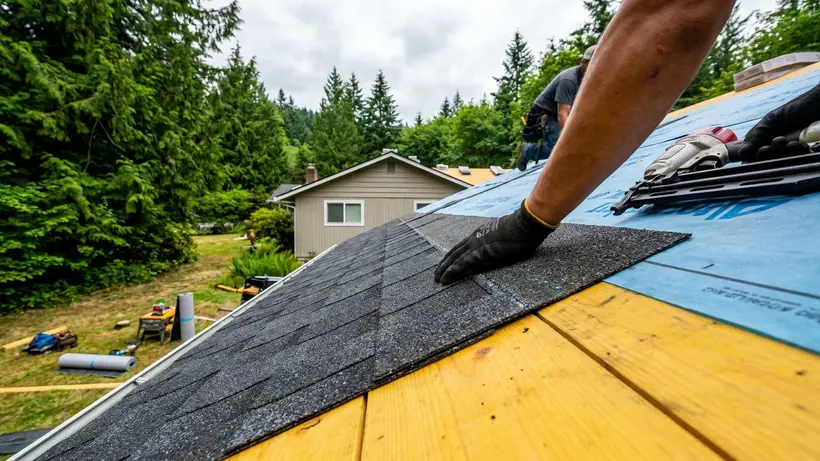
A roof is not just a layer of shingles; it is a comprehensive system designed to work together to shed water and manage air. Premium synthetic underlayment and ice and water shields protect the decking from exterior weather, while active ventilation protects the decking from interior moisture.
Installing high-quality architectural shingles over an improperly ventilated attic can significantly shorten the life of the new materials. Trapped heat and moisture will degrade the shingles and underlayment prematurely, regardless of the product's quality.
Upgrading Your Ventilation During a Roof Replacement
Replacing an aging roof provides the perfect opportunity to correct systemic ventilation issues. A full roof tear-off allows contractors to assess the bare plywood decking, check for rot, and identify areas where airflow is restricted.
During a replacement, installers can ensure that attic insulation isn't blocking the soffit intake vents by adding proper baffles. Professional roofers will also calculate the Net Free Area (NFA) to determine the exact ratio of intake to exhaust required for your home's specific footprint.
For many homes in the Puget Sound region, upgrading to a low-profile continuous ridge vent is an excellent solution. It offers superior exhaust capacity along the entire peak of the roof while maintaining clean exterior curb appeal.