Understanding Roof Warranties: Materials vs. Workmanship
A complete roof warranty protects your investment from both factory defects and installation errors. Learn how material and workmanship guarantees differ, and what to look for before signing a contract.
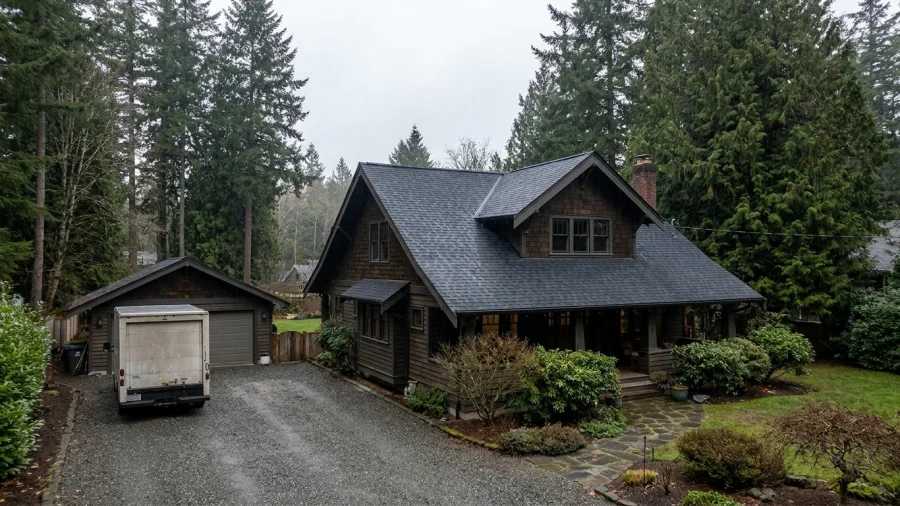
The Two Halves of a Roof Warranty
A roof replacement is a major investment in your home's protection and curb appeal. When planning a replacement, many homeowners assume that a single warranty document covers the entire project. However, a complete safety net for your new roof actually consists of two distinct parts working together.
To fully protect your home, you need to understand the difference between the manufacturer's warranty on the physical products and the contractor's guarantee on the labor. Knowing how these two halves operate will help you make a confident decision when reviewing roofing estimates.
Manufacturer Warranties: Protecting the Materials
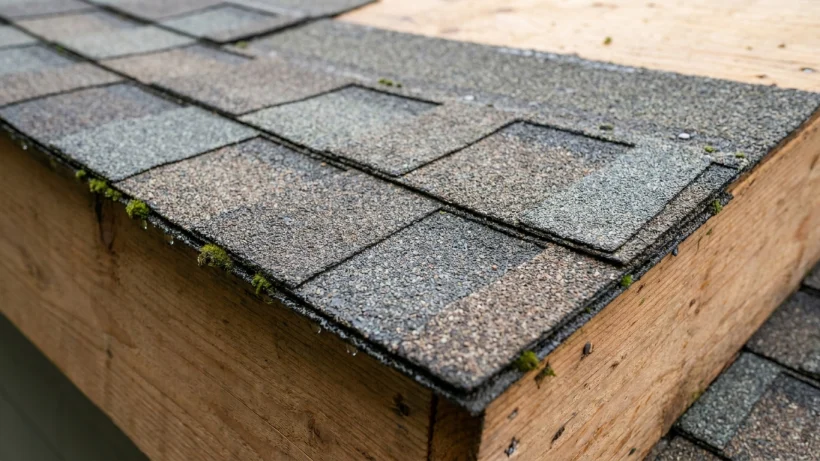
The manufacturer warranty is designed specifically to cover the roofing materials themselves. If a shingle or an underlayment product fails prematurely due to a factory defect, this warranty provides the coverage to replace it.
Material warranties typically come in two phases: non-prorated and prorated. During the non-prorated period, the manufacturer covers the full cost of replacing defective materials. Once the prorated period begins, the coverage value gradually decreases over time.
Workmanship Guarantees: The Contractor's Promise
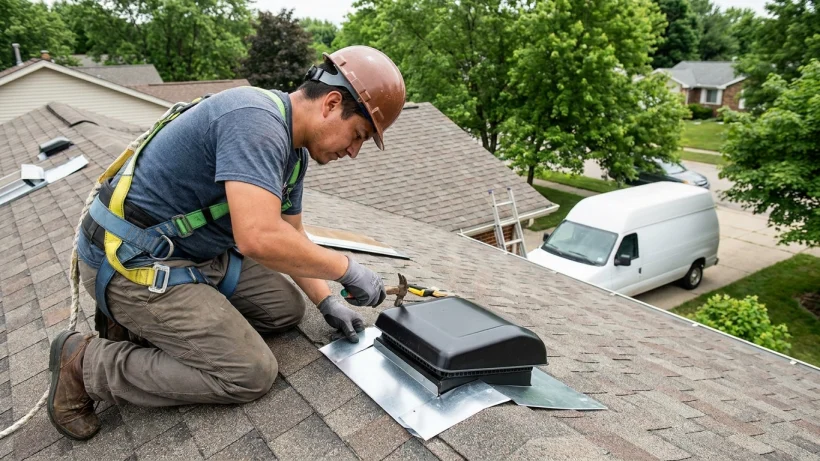
While the manufacturer stands behind the materials, the roofing contractor stands behind the installation. A workmanship guarantee is your contractor's promise that they have installed your roof correctly and in accordance with building codes and manufacturer specifications.
Human error during installation is the most common cause of premature roof failure. Improper nailing, sloppy flashing around chimneys, or a poorly designed ventilation setup can lead to major leaks, especially during relentless Pacific Northwest rainstorms. Even the highest-quality shingles will fail if they are not installed correctly.
Workmanship guarantees vary significantly from one contractor to another in both length and reliability. It is essential to choose an established, licensed, bonded, and insured contractor who will be around to honor their guarantee if an issue arises down the road.
The Fine Print: How Installation Can Void a Material Warranty
The intersection of materials and labor is where many homeowners get caught off guard. Manufacturers require strict adherence to their specific installation guidelines. If a contractor cuts corners, it can completely void your manufacturer's material warranty. Common reasons for voided warranties include:
- Inadequate attic ventilation that traps heat and moisture, damaging shingles from the inside out.
- Missing starter shingles at the eaves and rakes, leading to wind blow-off.
- Incorrect nailing patterns or using the wrong type of fasteners.
- Improperly installed ice and water shields in critical leak zones.
This is why hiring a knowledgeable contractor is so critical. A poorly executed installation does not just result in a leaky roof; it erases the safety net provided by the manufacturer.
The Advantage of 'Full System' Warranties
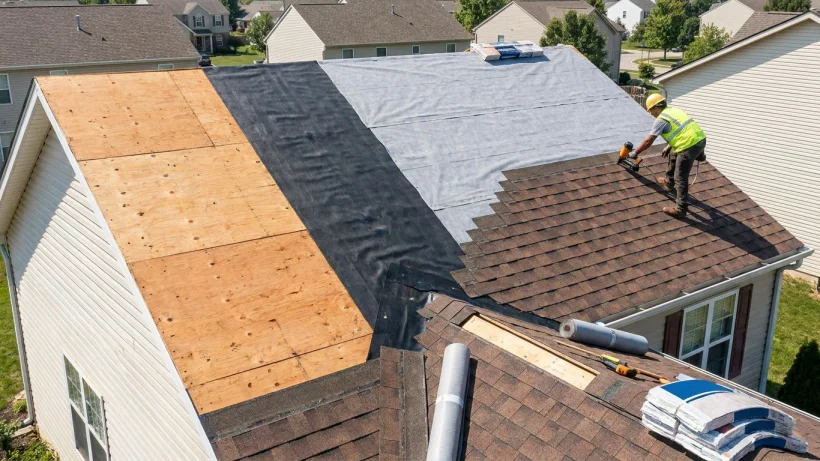
Many roofing contractors mix and match generic components to lower upfront costs. However, there is a significant advantage to installing a complete roofing system from a single manufacturer. A full system includes all the integrated layers: ice and water shield, synthetic underlayment, starter strips, the primary shingles, and ridge ventilation.
Leading brands like GAF engineer their products to work together seamlessly. Because of this, they often offer enhanced warranty coverage when their entire system is used together and installed by a certified contractor.
In Western Washington, where heavy rain and wind are constants, this integrated approach provides superior defense against moisture intrusion and often unlocks longer, more comprehensive warranty periods.
Questions to Ask Before You Sign a Roofing Contract
Evaluating roofing estimates means looking closely at the details of the warranties offered. Use these actionable questions to ensure your investment is protected before you sign a contract:
- Is your workmanship guarantee explicitly provided in writing within the contract?
- Are you certified by the manufacturer to offer their enhanced or full-system warranties?
- Will you register the manufacturer warranty on my behalf once the project is completed?
- Does this estimate include a full system installation from one brand, or are the materials mixed and matched?