A Washington Homeowner's Guide to Roof Maintenance and Moss Prevention
Learn how to effectively maintain your asphalt roof, safely remove seasonal debris, and prevent moss growth without damaging your shingles.
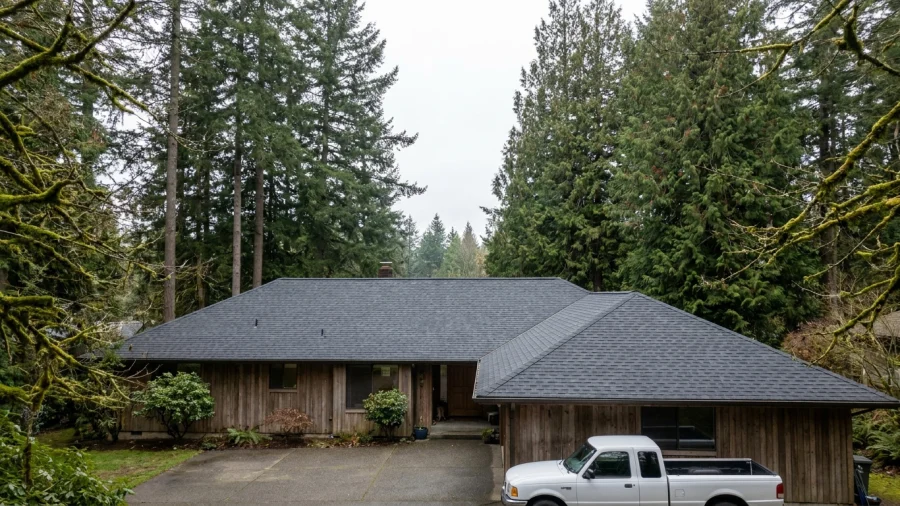
The Pacific Northwest climate asks a lot of our homes. Between persistent rain, towering evergreens, and long stretches of overcast skies, Washington roofs face a unique set of challenges. Routine roof maintenance is critical to ensuring your asphalt shingles perform well throughout their intended lifespan and effectively protect your home from moisture.
Why Pacific Northwest Roofs Need Special Attention
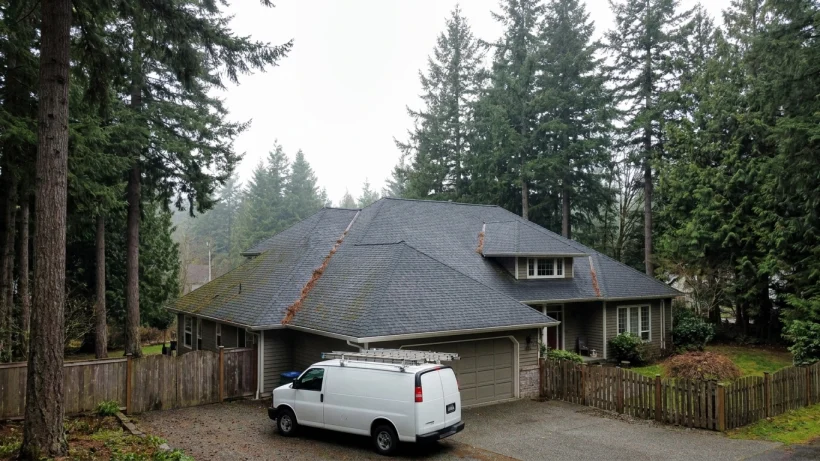
In Western Washington, the combination of frequent rainfall and significant shade creates an ideal environment for organic growth. Moss, algae, and lichen thrive on the damp surfaces of asphalt shingles. Over time, these organisms can lift the edges of the shingles, allowing water to seep underneath and compromise the protective underlayment.
Additionally, our region's heavy evergreen debris—such as pine needles, cones, and small branches—can severely impact how a roof sheds water. When debris accumulates, it traps moisture against the roof surface rather than letting it flow into the gutters. Staying proactive with maintenance is highly cost-effective, helping to prevent premature wear and extensive wood rot that can lead to an early roof replacement.
Your Seasonal Roof Maintenance Checklist
A simple, twice-yearly inspection routine helps catch small issues before they become major leaks. The best times to evaluate your roof are during the transition seasons of fall and spring.
- Fall (Pre-Winter Prep): Clear out dry summer debris, ensure gutters and downspouts are entirely unobstructed, and check for loose flashing before the heavy winter winds arrive.
- Spring (Post-Winter Recovery): Look for winter storm damage, check for missing or lifted shingles, and assess any early moss growth that may have started during the wet winter months.
- Visual Inspections: You do not always need to climb a ladder. Walking the perimeter of your home and using binoculars provides a safe, highly effective way to spot potential issues from the ground.
How to Handle Moss Without Ruining Your Shingles
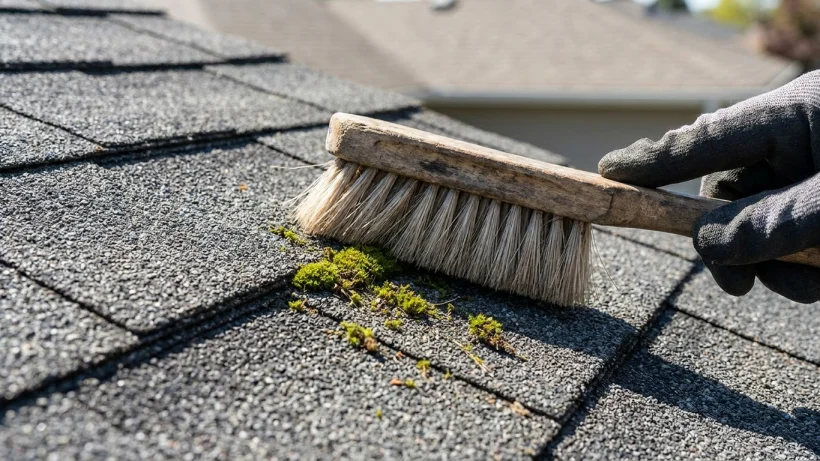
Managing moss is an ongoing task for Washington homeowners, but improper removal techniques often cause more damage than the moss itself. The most important rule of roof maintenance is to never pressure wash an asphalt shingle roof. High-pressure water strips away the protective granules embedded in the shingles, drastically shortening the roof's lifespan and often voiding manufacturer warranties.
Instead, focus on safe, gentle removal and prevention techniques designed to protect your roofing system.
- Manual Removal: On a dry day, use a soft-bristle brush to gently sweep away loose moss. Always brush downward, following the slope of the roof, to avoid lifting the shingles.
- Treatments: Apply gentle, roof-safe moss treatments, such as zinc sulfate solutions, rather than harsh bleach or caustic chemicals that can degrade asphalt.
- Long-Term Prevention: Consider installing zinc or copper strips near the roof ridge. As rainwater washes over these metal strips, it carries trace minerals down the roof that naturally inhibit moss and algae growth.
Managing Pine Needles and Gutter Debris
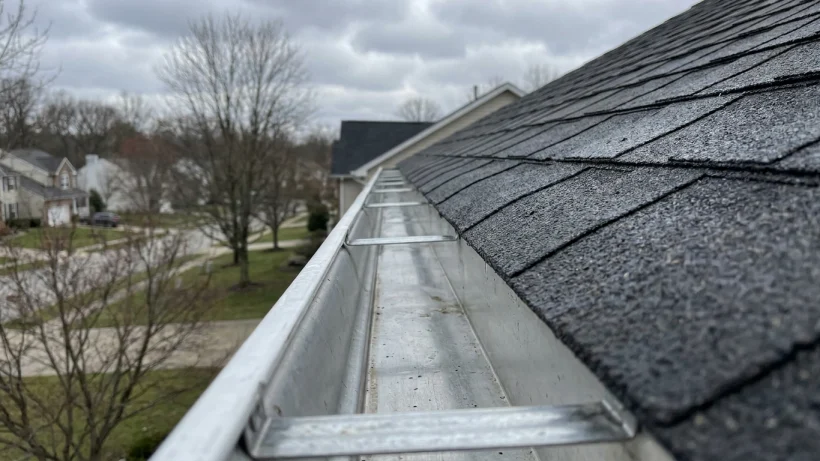
Roof valleys are the primary channels for shedding water. When pine needles accumulate in these valleys, they act like a sponge, creating small dams that trap water. This standing moisture can eventually back up under the shingles and cause leaks.
Maintaining clean gutters is equally vital for a healthy roof edge. When gutters clog, water spills over the sides or backs up behind the fascia board, leading to soffit rot and compromised eaves. If you are clearing debris yourself, using a leaf blower on a low setting or carefully sweeping downward are effective methods that do not risk lifting the shingle edges.
When to DIY vs. When to Call a Professional
Understanding your limits is critical for both your personal safety and the integrity of your roofing system. Working at heights is inherently dangerous, and navigating a wet or mossy roof significantly increases the risk of slipping.
- DIY-Friendly Tasks: Cleaning gutters from a stable ladder, performing basic visual inspections from the ground, and applying preventive moss granules from the roof edge.
- When to Call a Professional: Multi-story homes, steep roof pitches, visible sagging, missing or torn shingles, and compromised flashing around chimneys, vents, or skylights require an experienced eye.
- Aging Roofs: If your roof is approaching the 15- to 20-year mark, a professional inspection is highly recommended to evaluate the complete roofing system, including underlayment integrity and attic ventilation.
By staying observant and keeping up with seasonal clearing, you can safely manage moss and debris, ensuring your Pacific Northwest roof continues to protect your home year after year.