Wind-Resistant Roofing for Pacific Northwest Storms: A Homeowner's Guide
Learn how high winds damage Washington roofs and why a properly installed roofing system is your home's best defense against winter storms.
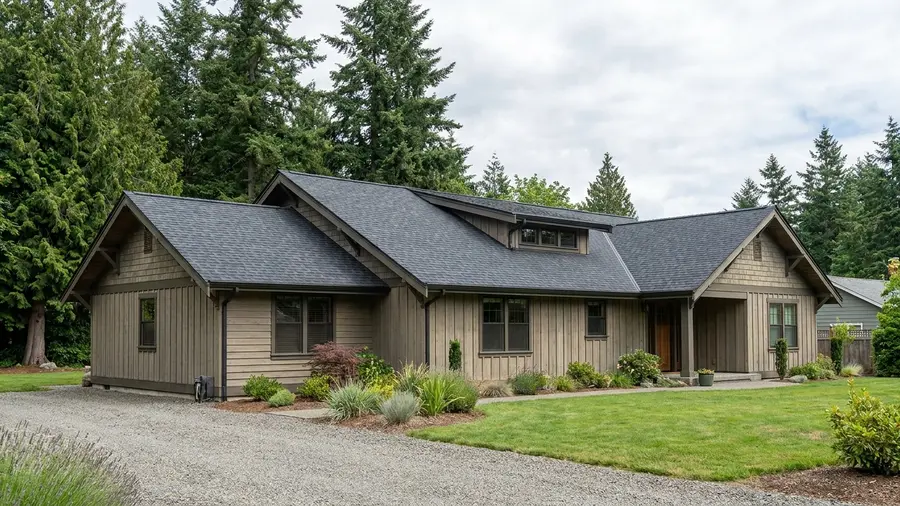
Living in Western Washington means preparing your home for an unpredictable winter storm season. When heavy rains combine with sudden, high-speed gusts, your roof acts as the primary shield protecting your property's structure and interior.
Why Pacific Northwest Winds Are So Tough on Roofs
Washington weather puts a unique kind of stress on exterior home materials. Our winter storms often bring a combination of driving rain and high wind gusts, creating a relentless force against roofing systems.
- Regional Weather Patterns: Puget Sound convergence zones and coastal gales subject homes to prolonged, heavy wind loads.
- Rain and Wind Synergy: The combination of saturated materials and high-speed gusts tests the limits of older or deteriorating roofs.
- Sudden Gusts: Unlike steady, predictable winds, the sudden, high-velocity gusts common in the PNW can catch weakened roofing materials off guard, causing immediate damage.
The Mechanics of Wind Damage: How Shingles Lift and Tear
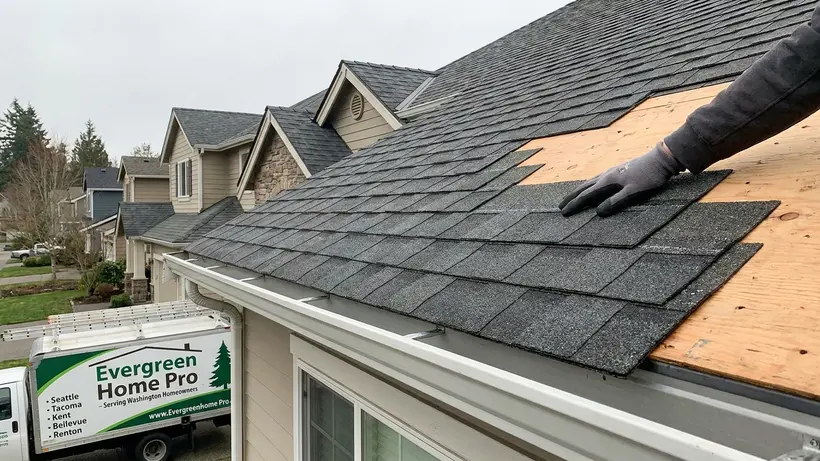
Wind doesn't just push flat against your roof. As air moves rapidly over the slope of your home, it changes pressure and creates a vacuum effect.
- Wind Uplift: High speeds create suction that actively pulls upward on the shingles.
- Seal Failure: If the adhesive strip sealing the shingles together is weakened by age, poor ventilation, or improper installation, the wind easily catches the front edge of the material.
- Chain Reactions: Once a single shingle lifts or blows off, the wind can get underneath the overlapping shingles above and beside it, causing rapid, cascading damage.
Engineering for the Storm: The GAF Roofing System Advantage
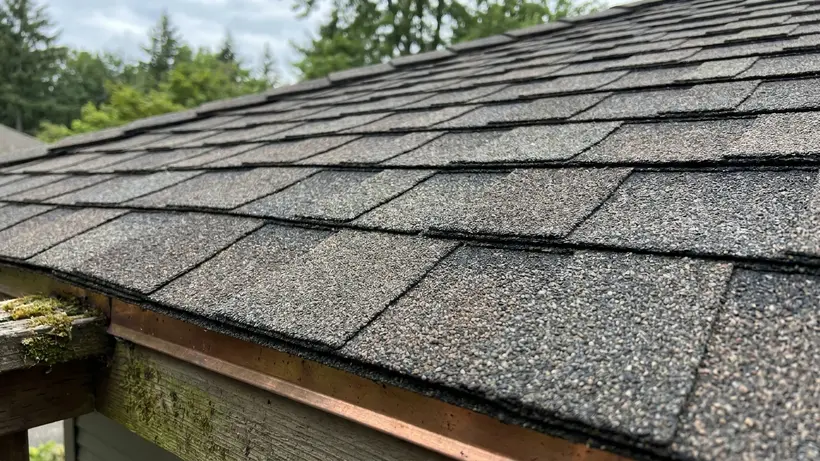
Modern roofing materials have evolved significantly to combat extreme weather. As a certified installer of GAF roofing systems, Evergreen Home Pro focuses on complete roof protection rather than just replacing individual shingles. A roof is a series of specialized layers working together to shed water and resist uplift.
GAF's Advanced Protection Shingle Technology is rigorously tested for toughness, granule adhesion, and extreme wind resistance. A major part of this performance comes from their DuraGrip Adhesive, designed to tightly lock shingles together and significantly reduce the risk of blow-off during a severe storm.
Why Nailing Technique is the Ultimate Wind Defense
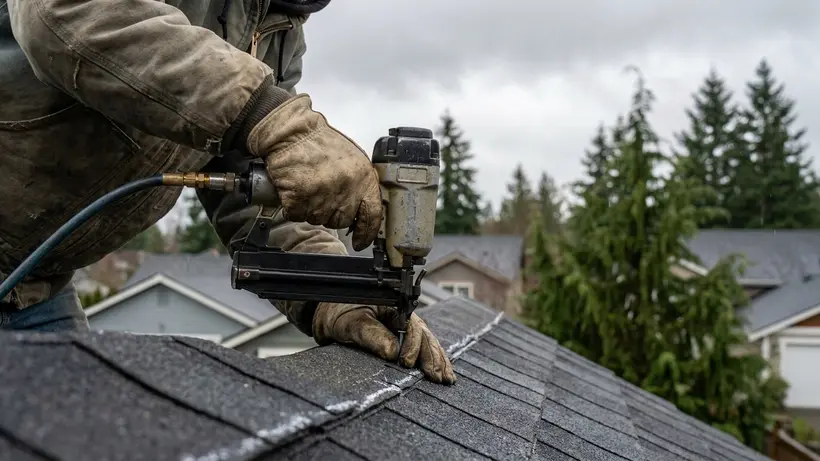
Even the highest quality wind resistant roofing in the Pacific Northwest will fail if it isn't installed correctly. The most critical factor in a shingle's wind rating is how and where it is nailed to the roof deck.
- The Nail Zone: Shingles have a specific, reinforced area where nails must be driven. Missing this zone—a common error in rushed installations—dramatically weakens the roof's structural integrity.
- StrikeZone Technology: Premium GAF architectural shingles feature a highly visible, wider nailing area, allowing installers to place fasteners with consistent accuracy.
- High-Wind Fastening: For steeper roofs or homes in high wind exposure areas, professional crews use enhanced nailing patterns, often driving six nails per shingle instead of the standard four.
Securing the Vulnerable Edges: Starter Strips and Ridge Caps
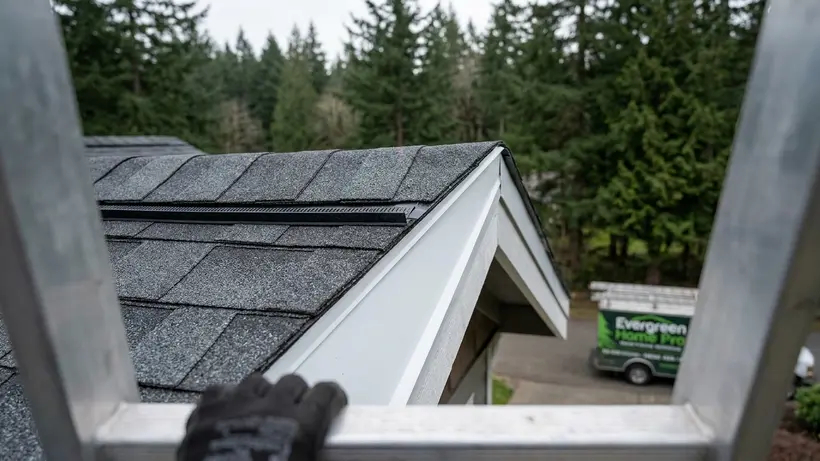
Wind targets the edges of a roof first. The eaves (bottom edges) and rakes (side edges) bear the brunt of sudden gusts attempting to pry the roofing system away from the decking.
To combat this, specialized starter strip shingles with factory-applied adhesive must be installed along the perimeter. These strips lock down the very first row of shingles, preventing wind from getting underneath. At the very top of the roof, where wind speeds and uplift forces are highest, heavy-duty ridge cap shingles are used to securely seal the peak.
How to Safely Check Your Roof After a High-Wind Event
After a severe Washington windstorm, it is a good idea to perform a visual inspection of your property. However, safety must always be your first priority. Never climb onto a wet, slippery, or potentially damaged roof.
- Inspect from the Ground: Use binoculars to carefully scan the roof planes from a safe distance.
- Look for Missing Pieces: Check for bare patches, torn shingles, or curling edges.
- Check the Perimeter: Look for loose or bent metal flashing around chimneys, vents, and roof edges.
- Examine Gutters: Excessive shingle granules or broken pieces of asphalt at the base of your downspouts can indicate severe weathering or storm damage.