The Best Siding Materials for Washington Homes: A Complete Comparison
Compare the pros, cons, and performance of vinyl, fiber cement, wood, composite, and metal siding to find the best fit for your Pacific Northwest home.
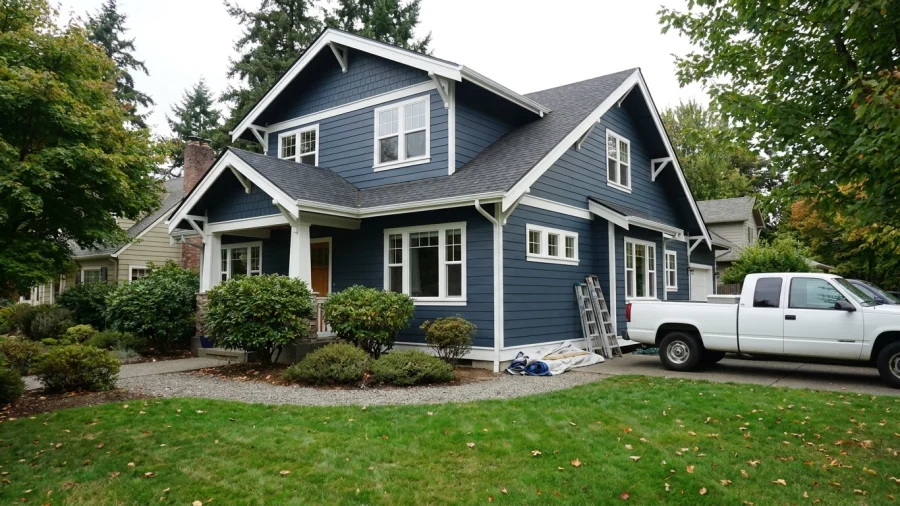
Why Your Siding Choice Matters in the Pacific Northwest
Washington weather tests exterior cladding year-round. Constant rain, seasonal moisture, and occasional strong winds demand a siding material that can truly stand up to the elements. Without the right protection, moisture easily finds its way behind exterior walls.
Failing or improper siding introduces severe risks to a home, including wood rot, hidden mold, and pest infiltration. The right siding choice balances moisture resistance, curb appeal, and budget while protecting the structural integrity of your house for decades.
Vinyl Siding: Affordable and Low-Maintenance
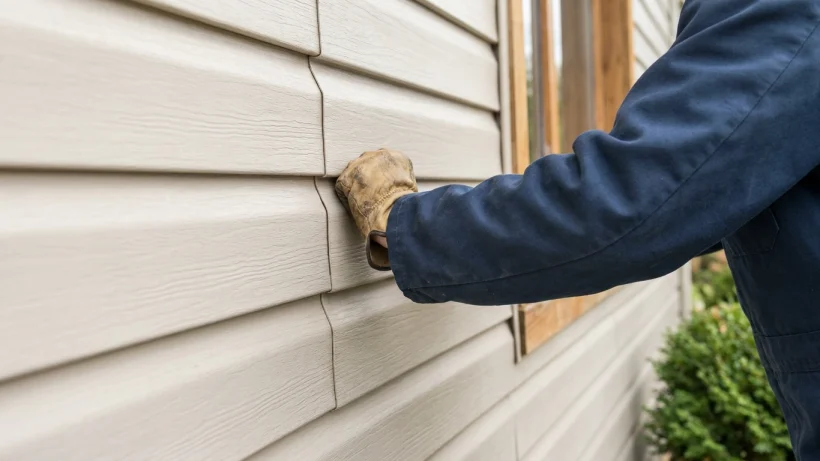
Vinyl siding remains a popular, budget-friendly option that requires very little ongoing care, making it an attractive choice for homeowners focused on value and ease.
- Cost-effective compared to heavier exterior materials.
- Never requires painting and is easy to clean with mild soap and water.
- Excellent moisture resistance, meaning it will not rot or swell in wet weather.
However, standard vinyl can crack under heavy impacts, and some darker colors may fade over time without built-in UV protection. While it lacks the natural texture of wood, modern premium vinyl profiles offer improved rigidity, deeper shadow lines, and better fade resistance.
Fiber Cement Siding: The Heavyweight Champion of the PNW
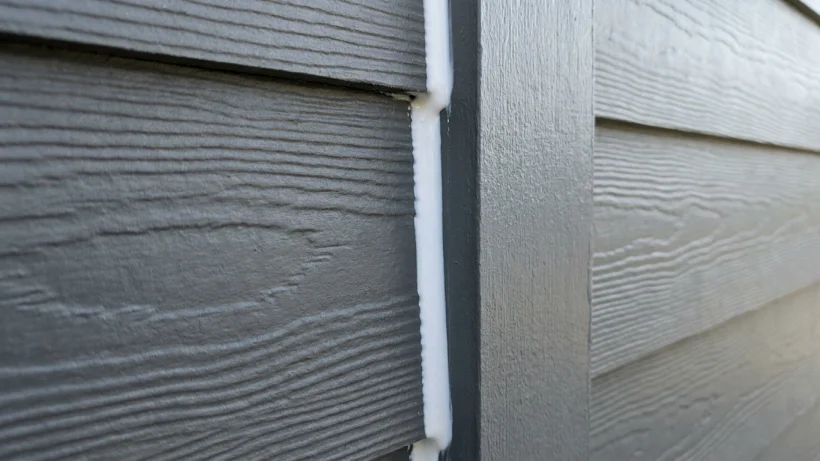
Fiber cement is arguably the most reliable and widely installed material for modern exterior upgrades in Western Washington. It provides a dense, durable barrier against the elements.
- Highly resistant to rot, fire, woodpeckers, and termites.
- Does not swell, warp, or degrade from heavy, persistent rain.
- Holds paint exceptionally well, extending the time between exterior paint jobs.
Because it is a heavy and rigid material, fiber cement requires specialized installation techniques and carries a higher upfront cost than vinyl. For Seattle and Puget Sound homes, its long-term durability in wet conditions almost always justifies the investment.
Wood and Cedar Siding: Classic Beauty with High Upkeep
Traditional wood siding, particularly natural cedar, offers a classic architectural style deeply rooted in Pacific Northwest home design.
- Unmatched natural beauty, warmth, and texture.
- Eco-friendly, renewable material.
- Highly customizable with various exterior stains and paints.
The trade-off for this beauty is a demanding maintenance schedule. In a damp climate, wood is highly susceptible to moisture damage, rot, and fungal growth if neglected. It requires vigilant upkeep, including regular staining or painting, to prevent water intrusion and prolong its lifespan.
Engineered Wood and Composite Siding: The Middle Ground
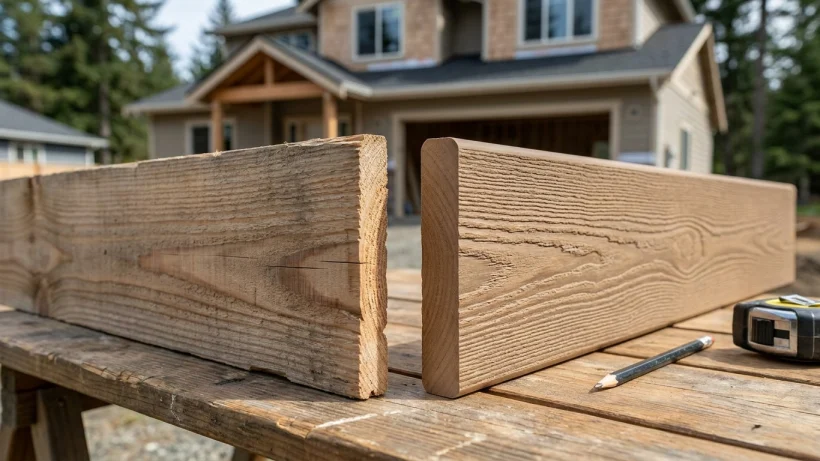
Engineered wood offers an alternative that blends the authentic look of real wood with improved structural durability and moisture defense.
- Treated with advanced resins and waxes to resist moisture, rot, and pests.
- Features realistic wood-grain textures without the natural flaws, knots, or warping of raw timber.
- Lighter and generally easier to work with than fiber cement.
While it stands up to the elements better than raw wood, engineered siding still requires periodic painting to maintain its protective outer barrier and aesthetic appeal.
Metal Siding: Modern, Bold, and Indestructible
Architectural metal siding, such as corrugated steel or standing-seam aluminum panels, is increasingly popular for contemporary home designs in urban areas like Seattle, Bellevue, and Tacoma.
- Extremely durable, fireproof, and virtually maintenance-free.
- Excellent at shedding heavy rain and naturally resisting moss and algae growth.
- Provides a striking, modern aesthetic.
Metal siding typically comes with a higher price tag and requires specialized flashing details to ensure a watertight envelope. Additionally, depending on the gauge, some profiles can dent from heavy, direct impacts.
How to Choose the Right Material for Your Home
Selecting the best siding material comes down to evaluating your specific property, budget, and long-term plans.
- Evaluate your timeline: Are you staying in the home long-term (making fiber cement or metal a great investment) or prepping for a near-term sale (where vinyl might be the most practical)?
- Consider your maintenance tolerance: Decide if you enjoy routine home upkeep or prefer a 'set it and forget it' exterior.
- Check local requirements: Some HOA communities in King, Pierce, and Snohomish counties mandate specific siding materials, profiles, or color palettes.
Ultimately, even the highest-quality siding material will fail if the house wrap, flashing, and window trims are not installed correctly. Proper moisture management beneath the surface is the most critical factor in ensuring your exterior withstands decades of Washington weather.