Best Time to Replace Siding in Puget Sound: Weather-Proof Scheduling Tips
There is no single perfect month to replace siding in Puget Sound. The right window depends on your home's condition, the siding material, and a plan for protecting exposed walls when weather changes.

The best time to replace siding in Puget Sound is not necessarily the driest month on the calendar. For a planned upgrade, a flexible stretch of workable weather may be convenient. If siding is loose or water may be getting into the wall, the home's condition matters more than waiting for a preferred season.
There Is No Single Perfect Month for Siding Replacement
Siding replacement can be scheduled in more than one season in Western Washington. Even traditionally drier months can bring sudden showers, so the forecast, project scope, product requirements, and condition of the existing wall all matter. A convenient installation window for a planned update may not be the right timeline for a home with active moisture problems.
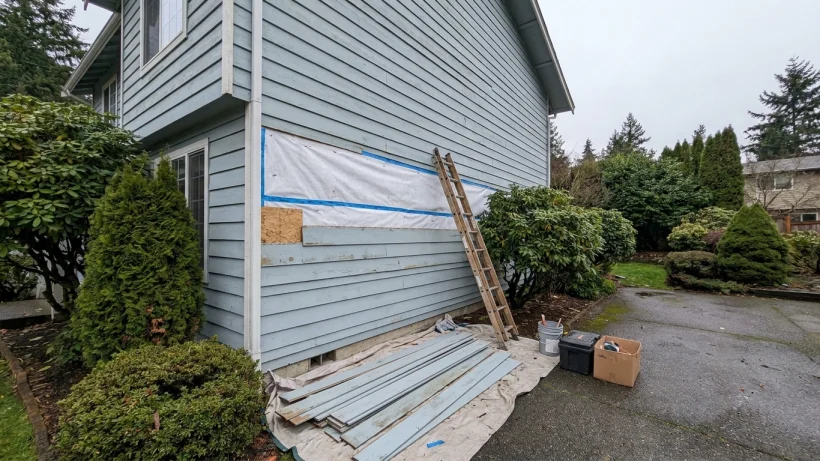
Manufacturers may specify conditions for installing or finishing particular products. The installer should check the applicable guidance and plan the work accordingly. The schedule should also explain how opened sections of wall will be protected if weather changes before they can be closed up.
How Puget Sound Weather Affects Siding Work
Frequent rain, damp surfaces, cool temperatures, and wind-driven moisture can affect different parts of a siding job in different ways. Cutting and fastening may have different considerations than applying sealant or a field-applied finish. Rain does not automatically stop every task, but the crew needs conditions suitable for the specific work underway.
Wind and rain can also affect safe work, material handling, and how long an exposed wall can remain open. A useful scheduling question is not just whether work can begin on a certain date, but how the crew watches the forecast, limits exposed areas, and protects the home between workdays.
Season-by-Season Scheduling Tradeoffs
Each season offers possible advantages and constraints. These are planning considerations, not promises about the weather on your project dates.
- Spring: Longer daylight can help, but wet or unsettled stretches may require flexibility.
- Summer: Drier periods can make scheduling easier, though showers still happen and contractor calendars may fill earlier.
- Fall: Early fall can offer workable days, while shortening daylight and increasing rain may leave less room to shift tasks.
- Winter: Cold, wet, or windy conditions can complicate some work. Suspected water entry or worsening damage should still be assessed rather than postponed solely because it is winter.
When Siding Problems Should Matter More Than the Season
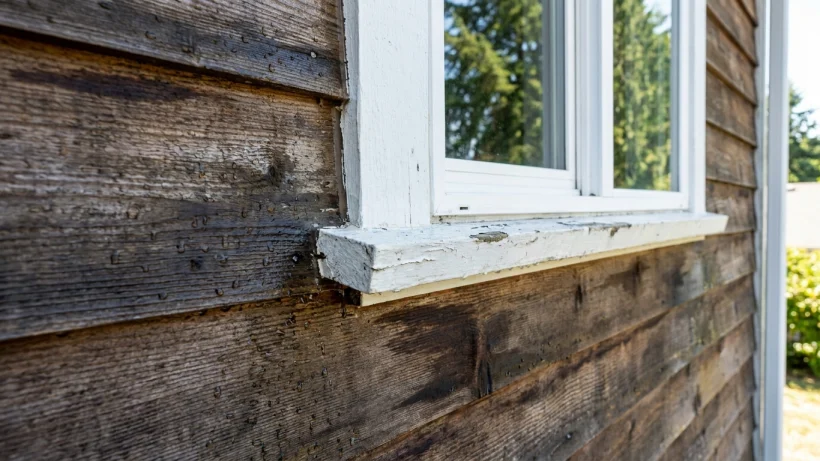
Loose or missing siding, recurring water intrusion, soft or deteriorating trim, peeling finishes, and damage around windows or doors deserve attention. If damage is spreading or water appears to be entering the wall assembly, a prompt assessment can help establish what needs repair and how urgently.
Staining or interior dampness can have more than one cause, so it should not automatically be blamed on siding. An inspection can help trace the source. It is also worth allowing for uncertainty in the project plan: the condition of concealed sheathing or framing may not be clear until existing siding is removed.
Choose a Schedule That Fits the Siding Material and Scope
Fiber cement, vinyl, wood, composite, and metal siding each bring different installation and maintenance considerations; none is automatically the best choice for every Puget Sound home. Depending on the product and design details, temperature, surface moisture, handling, sealants, or field finishing may affect when particular tasks can proceed. Confirm the requirements for the selected product with the installer.
Scope matters just as much as material. A full tear-off, repairs to underlying materials, detailed trim and flashing, or work across multiple elevations can make the timeline less predictable than a limited replacement. Before setting expectations for a finish date, confirm the work sequence, weather contingencies, and who will communicate schedule changes.
How to Plan Ahead for a Weather-Resilient Project
If you have a preferred seasonal window, begin planning early enough to compare materials, settle project details, and account for contractor availability. A clear estimate and a practical protection plan are more useful than a start date that assumes every day will be dry.
- Ask which areas will be opened at each stage and how they will be protected overnight or during rain.
- Check whether the estimate describes removal, disposal, trim and flashing work, and how repairs discovered beneath the siding will be reviewed.
- Confirm how weather delays are handled and when you will hear about changes to the expected schedule.
- Make room for crew access and discuss protection or relocation of nearby landscaping, outdoor furniture, and pets.
A Simple Rule for Choosing Your Siding Replacement Window
If siding appears to be letting water in or is visibly deteriorating, arrange an assessment promptly rather than waiting for an ideal month. For a planned replacement, compare contractor availability and seasonal tradeoffs, then leave room for weather adjustments. The most reliable plan accounts for the selected product's installation conditions, protection of exposed walls, and the specific conditions and scope of your home—not just a date on the calendar.