Key Questions to Ask Before Siding Installation in Washington
Before choosing siding or comparing bids, ask how each contractor will inspect your home, manage moisture, define the work, and handle unexpected repairs. These questions can help Washington homeowners compare proposals on more than price.
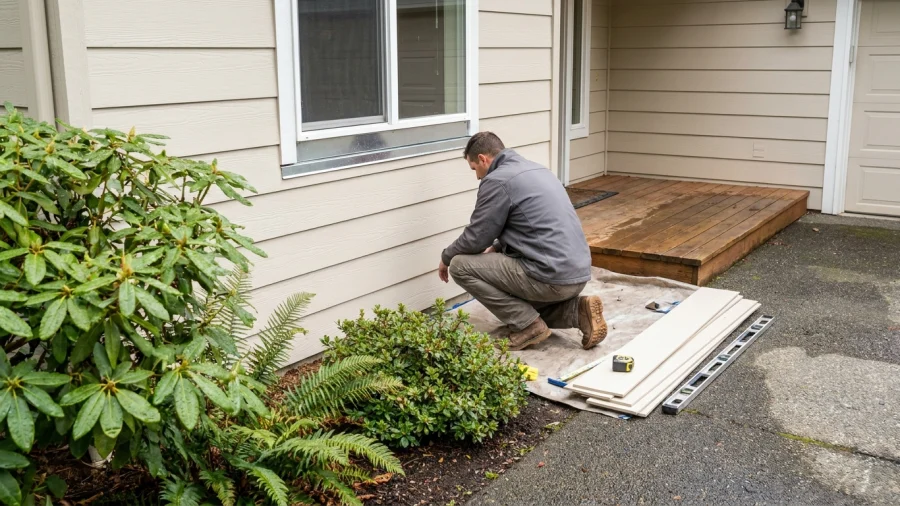
New siding can change how a home looks, but the planning behind it matters just as much. In Western Washington, frequent rain makes it especially important to understand what is happening at the wall, around openings, and wherever water must drain. Use these questions to compare proposals for either siding replacement or new installation.
Why the right questions matter before siding work begins
Siding is one part of an exterior system that also includes flashing, a water-resistive barrier, trim, and drainage details. A material that suits one house may need a different installation approach on another, depending on exposure and wall condition. Ask contractors to explain their recommendations for your home and put the proposed work in writing, rather than relying on broad assurances about durability.
What will you inspect before recommending siding?
Ask whether the initial inspection covers existing siding, corner boards, window and door trim, flashing, and roof-to-wall transitions. Soft or swollen materials, staining, peeling paint, and recurring dampness are worth investigating, although none identifies the cause on its own.
Some damage cannot be confirmed until old siding comes off. The proposal should separate repairs already identified from possible concealed work. Ask how the crew will document anything it finds, explain repair options, and obtain your approval before changing the scope.
Which siding material fits this home and its exposure?
Ask the contractor to compare materials that make sense for your house, such as fiber cement, vinyl, engineered wood, natural wood, or metal. Consider the appearance you want alongside maintenance, impact resistance, and exposure to wind-driven rain or persistent shade. A sheltered wall and a highly exposed elevation may raise different concerns.
Have the contractor identify the proposed product and its installation requirements, including finishing and required clearances. No siding label alone determines how well a wall will perform; the layers behind the siding and the quality of installation matter too.
How will the wall manage rain and moisture?
Ask what water-resistive barrier and related layers are included, and how they will connect to flashing at windows, doors, and other openings. The plan should explain where water can drain, how materials can dry, and what clearances will be maintained near roofs, grade, and hard surfaces.
Depending on the wall and selected product, ask whether a drainage space or rainscreen detail is appropriate. If the existing wall has a moisture problem, find out how its source and any damaged materials will be addressed before the wall is covered again.
What installation details and standards will the crew follow?
Find out who will perform the work and how the crew will follow the named product’s manufacturer instructions. Request written specifications for fastening, joints, cut edges, trim transitions, and clearances near grade, roofs, and paved areas. These details affect both appearance and the wall’s ability to shed water.
Also ask how windows, landscaping, and nearby finishes will be protected during removal and installation. A clear plan makes it easier to understand what the crew will do and to compare it with another contractor’s proposal.
What exactly is included in the written estimate?
Look beyond the total. The estimate should identify the siding product and profile, trim, barrier or underlayment work, flashing, and removal and disposal of old materials where applicable. Check whether painting, caulking, known repairs, permits, and cleanup are included, excluded, or dependent on conditions found during the job.
Ask for the process used to price, document, and approve additional work if concealed damage appears. When comparing bids, review materials, preparation, and installation details line by line; a lower total may reflect a different scope rather than the same work at a better price.
Who is responsible for permits, credentials, and jobsite safety?
Permit and approval needs can vary with the project and location. Ask who will check requirements with the relevant local jurisdiction, obtain any needed approvals, and arrange inspections if applicable. Make sure those responsibilities match the written agreement.
Before signing, verify the contractor’s current Washington registration and insurance information through appropriate sources. Ask who supervises the crew, how subcontractors are managed, and how the work area will be secured. A verbal assurance is not a substitute for reviewing the agreement and relevant records.
What product and workmanship coverage applies?
Request the warranty documents for the specific products proposed. Review conditions, exclusions, maintenance requirements, and any registration steps. Product coverage and a contractor’s workmanship coverage are separate; if workmanship coverage is offered, ask for its written terms and limitations.
Confirm whom to contact after completion about a suspected product issue or installation concern, and keep the final agreement and coverage documents together. Terms can differ by product, contractor, and project conditions.
What is the expected schedule, and how will the site be managed?
Ask for an estimated start window and work duration, along with factors that could change them. Rain, material availability, and concealed repairs can affect a siding schedule. Find out how materials will be stored and how exposed sections of wall will be protected if work pauses.
Discuss access, parking, noise, debris removal, and daily cleanup before work starts. Agree on who will provide progress updates and how questions or proposed changes will be communicated.
A simple checklist for comparing siding proposals
Use the same questions with each contractor so differences in scope are easier to spot.
- What was inspected, and which conditions remain unknown until removal?
- Are the siding product, trim, barrier, flashing, drainage approach, and installation details specified?
- Which repairs, permits, finishing tasks, disposal, and cleanup are included or excluded?
- How will concealed work be documented and approved?
- Who manages the site, communicates schedule changes, and addresses concerns after completion?
- Are the applicable product documents and any workmanship terms provided in writing?
Specific, consistent answers are more useful than vague claims about performance. The best-fit proposal clearly describes how the work will be completed on your particular home.