A Practical Guide to Siding Maintenance in the Pacific Northwest
Learn essential siding maintenance tips for Washington homes to safely clean exteriors, prevent algae growth, and spot early signs of damage.
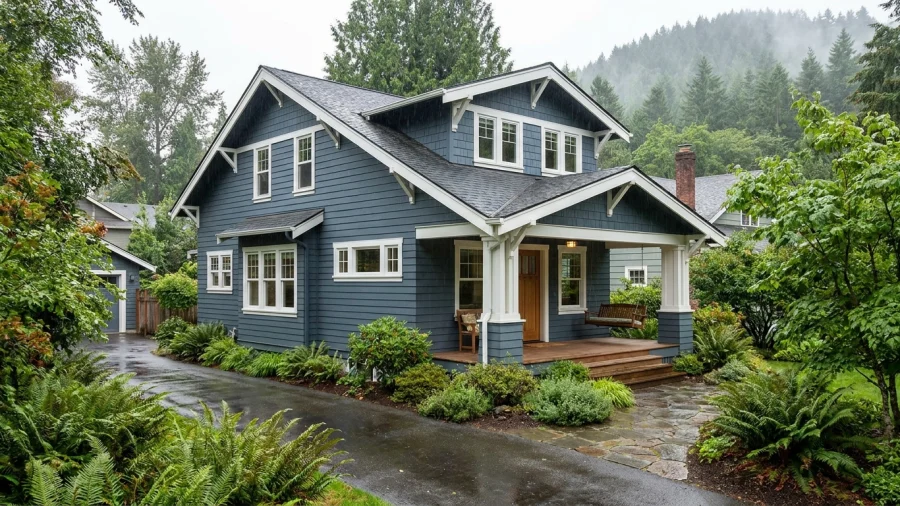
Why Pacific Northwest Weather Demands Proactive Siding Care
Washington weather puts exterior siding to the test. Prolonged moisture, wind-driven rain, and long stretches of overcast days create the perfect environment for wear and tear. Living in the Pacific Northwest means your home's exterior needs a bit more proactive care than it might in a drier climate.
Constant moisture often leads to organic growth like mold, mildew, and algae on home exteriors. While a little dirt is just a cosmetic issue, unchecked moisture penetration can lead to serious structural damage. Taking the time for routine maintenance not only keeps your home looking great but also extends the life of your siding and helps preserve your property's value.
The Bi-Annual Siding Inspection Checklist
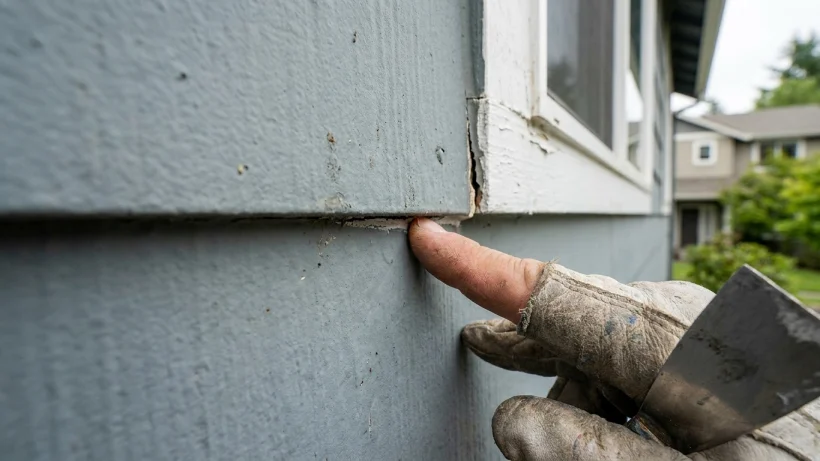
The best way to catch siding issues before they become expensive repairs is to inspect your home's exterior twice a year, ideally in the spring and fall. Here is a straightforward checklist to follow:
- Check caulking and seals: Inspect the joints around windows, doors, and trim for any cracking, shrinking, or missing caulk.
- Examine the panels: Look for warped, buckling, or cracked siding boards that might allow water to seep behind them.
- Check the foundation line: Ensure that mulch, soil, and landscaping plants are kept at least 6 inches below the bottom row of siding to prevent ground moisture from wicking upward.
- Inspect gutters and downspouts: Verify that your gutter system is clear of debris and not overflowing directly onto your siding during heavy rains.
How to Clean Siding Safely by Material Type
When it comes to cleaning, a gentle approach is usually best. High-pressure washing is a common mistake that can force water behind the siding panels, leading to trapped moisture and hidden rot. Instead, follow these siding maintenance tips based on your specific material:
Vinyl Siding
Vinyl siding is best cleaned with a soft-bristle brush and a mild soap solution. Work from the bottom up to prevent streaking, and rinse gently with a standard garden hose. Avoid aggressive power washing, which can easily dent the panels or drive water into the seams.
Fiber Cement Siding
Fiber cement is incredibly durable but still requires care. Use a low-pressure garden hose and a soft brush to remove dirt. Aggressive power washing can strip the paint or damage the factory finish, reducing the material's lifespan.
Wood Siding
Wood requires the most delicate touch. Clean gently and frequently check the integrity of the paint or stain. Any peeling or bare spots should be addressed promptly to prevent moisture from saturating the wood and causing rot.
Battling Mold, Mildew, and Algae in Western Washington
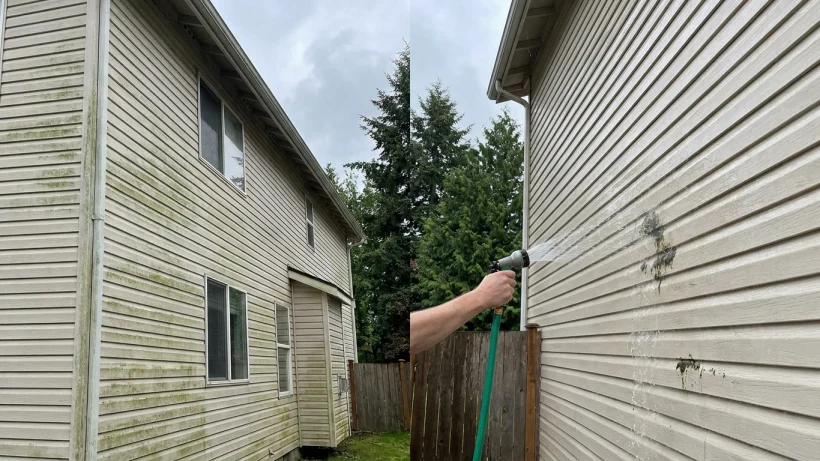
Green and black organic growth is one of the most common siding complaints in the Puget Sound region. It is important to identify the difference between everyday dirt and algae or mildew, which usually appears as green or black spots, particularly on the shaded, north-facing side of the house.
To safely clean organic growth, you can often use a simple DIY solution of white vinegar and water, or a specialized commercial siding wash that is safe for landscaping. Apply the solution, let it sit for a few minutes to break down the algae, and rinse gently.
When Maintenance Isn't Enough: Signs You Need a Siding Expert
Even with meticulous care, siding eventually reaches the end of its useful life. It is important to recognize the threshold between routine DIY maintenance and signs of underlying failure.
- Soft spots or crumbling boards, especially in wood or older composite materials, which strongly indicate severe rot.
- Extensive bubbling or peeling paint that returns almost immediately after being scraped and repainted.
- Noticeable indoor drafts, cold spots, or moisture stains appearing on your interior walls.
If you spot these issues during your bi-annual inspection, routine cleaning will not solve the problem. It is best to reach out to a licensed Washington contractor for a thorough exterior assessment to determine if a targeted repair or a full siding replacement is necessary.