Siding Warranties Decoded: What Northwest Homeowners Should Expect
Siding warranties can cover different problems, and the length of coverage tells only part of the story. Learn how to compare product and workmanship terms for a Western Washington home.
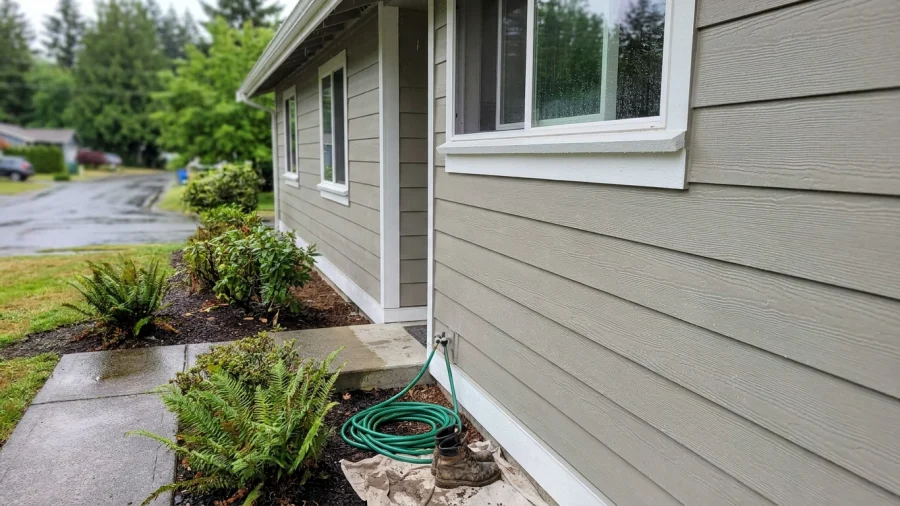
A siding warranty is worth reading before a project begins, not just filing away after installation. The most useful questions are what problem it covers, what remedy it offers, who handles a claim, and what you must do to keep coverage in effect.
Why siding warranties deserve a closer look in the Northwest
Western Washington homes face frequent rain, seasonal moisture, wind-driven weather, and changing temperatures. Siding materials matter, but so do the details that direct water away from openings and the wall assembly. A warranty is a written set of terms, not a promise that the exterior will never develop a problem.
Whether a concern qualifies for coverage depends on the exact product, the applicable documents, installation requirements, and the facts of the claim. An advertised warranty term does not tell you by itself how much of a repair is covered or which company is responsible.
Product warranty vs. installation or workmanship coverage
A manufacturer’s product warranty generally addresses specified defects in its siding, subject to written limits and exclusions. A contractor’s installation or workmanship coverage addresses specified problems with the work performed. These are separate commitments, and the scope and duration of each can vary.
For example, a product warranty may exclude damage caused by improper installation, while workmanship coverage may not apply to a manufacturing defect. Before signing a proposal, identify both sets of terms. Ask who to contact first if something looks wrong and whether the installer will help coordinate an inspection or product claim.
What siding product warranties may cover—and what they may not
Depending on the product and its written warranty, coverage may address defined defects in the siding material, finish, or performance. Terms differ among vinyl, fiber cement, engineered wood, natural wood, and metal siding—and among product lines within the same material category. Compare the documents for the exact siding and finish being proposed.
- Find the warranty’s definition of a defect and any thresholds for making a claim.
- Check the remedy: repair, replacement materials, reimbursement, or another option specified in the terms.
- See whether labor, removal, disposal, trim, or related materials are included or excluded.
- Look for prorating, reduced coverage over time, reimbursement limits, and other conditions. Do not assume a qualifying issue means replacement of the entire exterior.
- Read finish coverage separately, including any stated limits on fading, chalking, or environmental exposure.
Read the exclusions and homeowner responsibilities
Exclusions often matter as much as the coverage description. Review the actual wording for improper installation, alterations, impact, neglect, and water intrusion. Check whether coverage depends on following the manufacturer’s installation instructions, including requirements for accessories, clearances, and flashing details.
Homeowner care can also affect a claim. Read any instructions about cleaning methods, coatings, repairs, or items attached to the siding. If you notice a concern, document it and contact the appropriate party promptly under the stated claim process.
Questions to ask before choosing a siding system
Use the same questions for each option so differences are easier to spot in the product documents and project proposal.
- Can I review the complete warranty and installation instructions for this exact siding line and finish?
- Which parts of the proposed work fall under the installer’s written workmanship terms, and what falls outside them?
- Who handles a product claim, and what photographs, paperwork, or inspection might be required?
- Does coverage change over time or transfer to a future owner? Is registration required?
- Are labor, removal, disposal, trim, and related components addressed, or only the siding material?
- How will openings, corners, and transitions be detailed to manage water, and which product instructions apply?
If an answer is important to your decision, locate it in the current written terms or have the project scope clarified in writing. General descriptions of a warranty are not a substitute for the applicable documents.
Keep warranty documents and project records together
Keep a digital folder or paper file with the signed proposal, the installed product’s name and specifications, complete warranty documents, installation instructions, and any registration confirmation. Save dated photos from before and after the work, along with records of maintenance and repairs.
Record the installer’s name and contact information. Do not assume coverage transfers automatically if you sell the home; check the applicable terms. If a concern appears, photograph the area, note when you first noticed it, and follow the claim steps in the relevant document.
A practical way to compare warranty terms
For each siding option, compare six points: the covered defect, the remedy, the duration, the exclusions, your responsibilities, and the claim process. Review product and workmanship coverage separately, then clarify any apparent gap in writing.
Warranty length is only one part of the decision. Consider whether the siding system and planned installation details fit your home’s exposure to rain and moisture. Sound water-management details remain important regardless of warranty language, and current coverage should be verified in the product documents and project agreement.