The Washington Homeowner's Guide to Energy Efficient Siding and Exterior Insulation
Learn how upgrading to energy-efficient siding and proper exterior insulation improves home comfort and protects against Pacific Northwest weather.
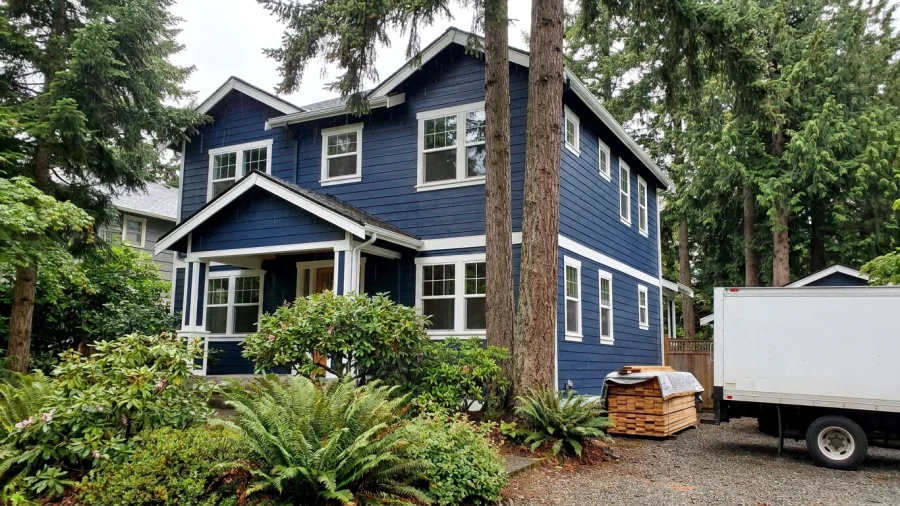
Why Energy Efficient Siding Matters in the Pacific Northwest
When planning an exterior remodel, it is easy to focus entirely on curb appeal. But for Washington homeowners, a home's exterior must function as a complete protective envelope. It is your first line of defense against frequent Puget Sound rain, wind, and chilly winter temperatures. While a fresh exterior certainly looks great, its primary jobs are managing moisture and controlling thermal transfer.
Traditional siding acts primarily as a rainscreen. It stops bulk water from hitting your walls. However, standard siding alone does very little to stop heat from escaping your home. Upgrading your exterior is a rare and highly effective opportunity to add exterior insulation, upgrading your home's energy efficiency without needing to tear open interior drywall.
Understanding R-Value and Thermal Bridging
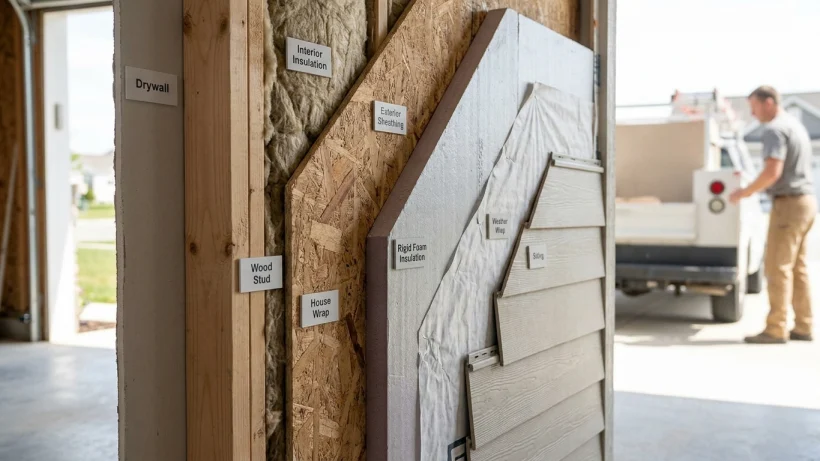
When comparing insulation and siding products, you will frequently encounter the term R-value. R-value is simply the measure of a material's resistance to heat flow. The higher the number, the better the material is at keeping interior heat inside during the winter and blocking outside heat during the summer.
To understand why exterior insulation matters, it helps to understand thermal bridging. Most Washington homes are framed with wooden studs. While the spaces between these studs are filled with interior fiberglass insulation, the wooden studs themselves are not well-insulated. Wood easily conducts heat. This means indoor heat bypasses your interior insulation and travels straight through the wooden wall studs to the outside.
Top Energy Efficient Siding Materials
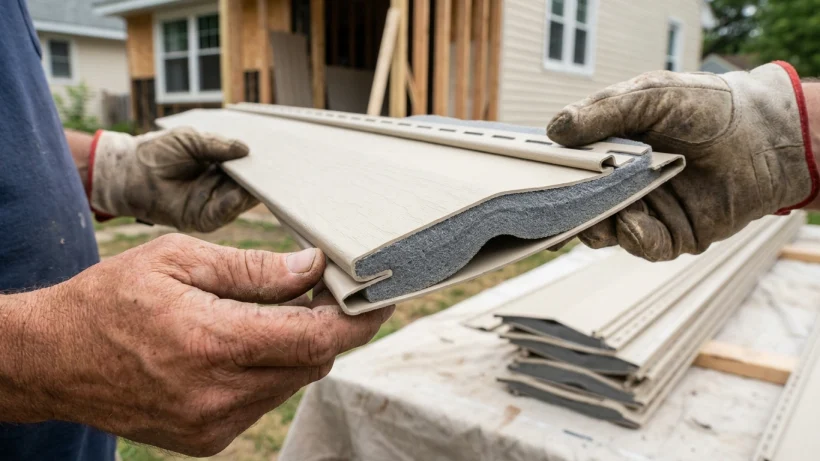
The outer layer of your home plays a significant role in its overall energy performance. Here is how the most popular siding materials used in Western Washington compare.
Insulated Vinyl Siding
Insulated vinyl siding features a custom-contoured rigid foam backing permanently attached to the vinyl panel. This integrated foam increases the overall R-value of the exterior, adds rigidity to the panels so they lie flat against the house, and significantly improves impact resistance.
Fiber Cement Siding
While fiber cement itself has a relatively low R-value, it is an exceptionally popular choice in the Pacific Northwest due to its unmatched durability against constant moisture, rot, and pests. To create energy efficient siding with fiber cement, contractors install it over high-quality rigid foam insulation boards, resulting in a highly durable, highly efficient wall system.
Engineered Wood
Engineered wood siding offers the natural look of traditional wood with better structural stability. It possesses natural insulating properties and, when installed properly over high-quality weather barriers, creates a breathable and efficient exterior envelope that stands up well to local weather patterns.
The Hidden Heroes: House Wrap and Rigid Foam Insulation
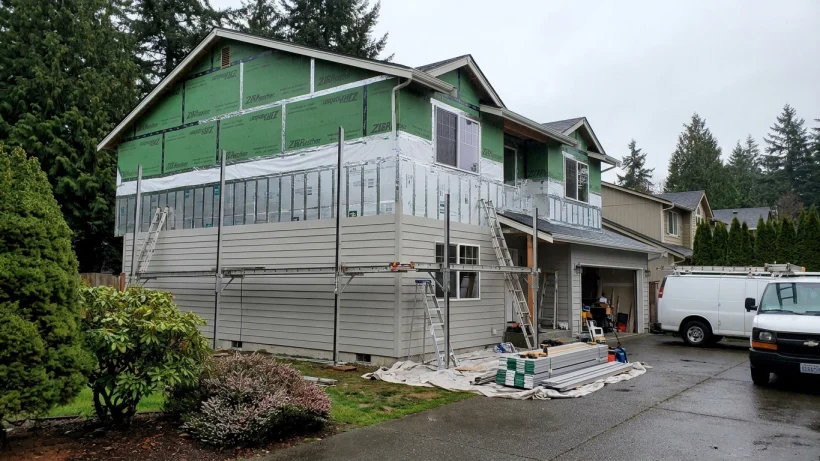
The most critical components of an energy-efficient siding upgrade are the ones you will never see once the project is finished. A durable exterior relies on the layers beneath the siding.
- Premium House Wrap: Modern weather-resistant barriers block wind-driven rain from reaching your wall sheathing, while remaining vapor-permeable so trapped interior moisture can safely escape.
- Rigid Foam Boards: EPS, XPS, or polyiso foam boards are installed directly over the sheathing to provide continuous insulation around the entire perimeter of the house.
- Seam Tape: Properly taping all seams around the insulation and house wrap is vital for preventing drafts and air leaks that rob your home of its heating.
Signs Your Home Is Losing Energy Through Its Exterior
Many homes in the Puget Sound area, particularly those built decades ago, were constructed before modern energy standards. You might be losing significant energy through your exterior walls if you notice the following issues.
- Noticeable cold drafts near exterior walls, windows, or electrical outlets.
- Heating and cooling bills that consistently spike during extreme winter or summer weather.
- Interior walls that feel notably cold to the touch during typical Washington winters.
- Visible moisture damage, peeling paint, mold, or rotting wood on the exterior, indicating a compromised or failing weather barrier.
Planning Your Siding Upgrade
Replacing your siding is a major investment and an ideal time to rethink how your home manages energy and moisture. Careful planning ensures you get the most out of your project.
- Focus on the System: Ask contractors about their approach to the whole wall system, including wraps, tapes, and insulation, rather than just the visible siding boards.
- Verify Code Compliance: Ensure that the proposed installation meets or exceeds local Washington building codes and energy requirements.
- Think Long-Term: Prioritize durable materials and strict moisture management. Keeping bulk water out is the best way to prevent costly rot repair and protect your home's structural integrity down the road.