Are Exterior Storm Windows Worth It in Western Washington?
Exterior storm windows can improve comfort and help protect sound original windows, but they cannot fix rot or recurring leaks. Here is how to decide whether storms, repairs, or replacement make sense for your home.
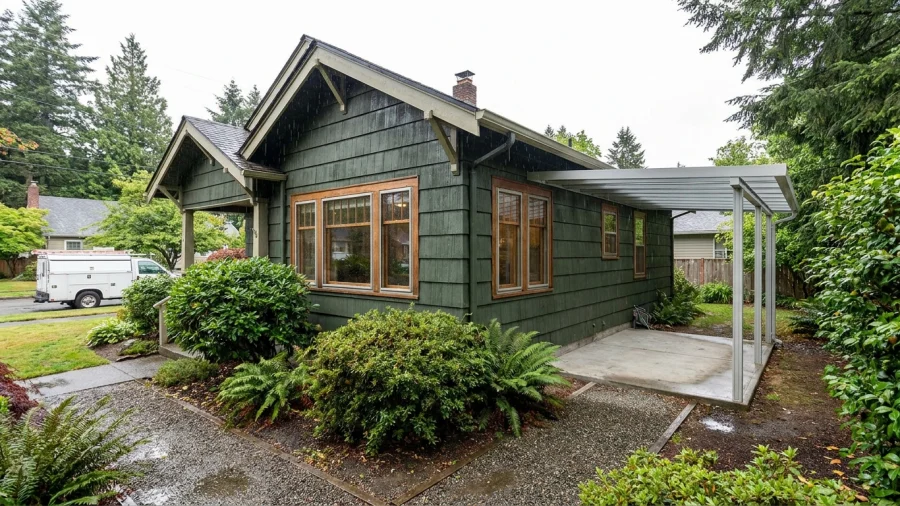
On a damp, windy Western Washington day, a cold draft near an older window can be hard to ignore. An exterior storm window may help, but its value depends on what is causing the discomfort and whether the window underneath is in good condition.
The short answer: it depends on the windows you already have
An exterior storm window sits outside the primary window, adding an air space and another barrier to wind and rain. It can be worthwhile when the existing window is serviceable but drafty. Results depend on the primary window’s condition, the storm design, and how well it is installed. The central question is whether to improve and preserve the windows you have or replace assemblies that are failing or no longer meet your needs.
Why storm windows may suit some Western Washington homes
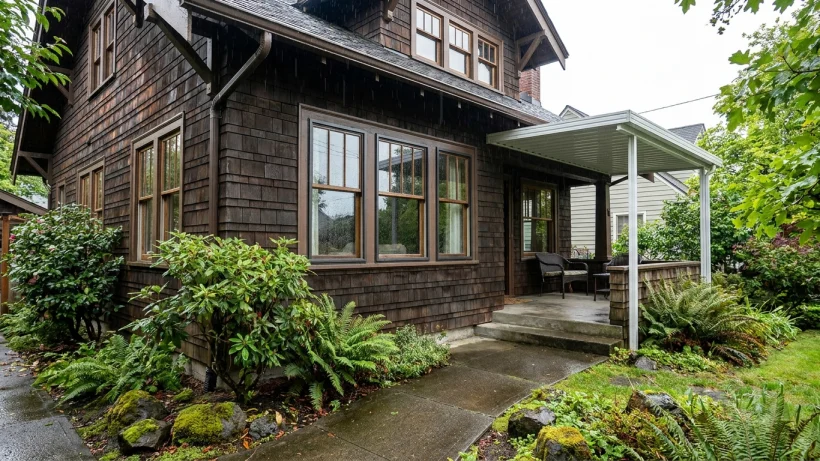
Cool, wet weather and wind-driven rain can make gaps around older windows more noticeable. A properly fitted storm can reduce air movement around a sound primary window and shield its sash from some direct weather exposure. For an older home with usable original windows, that may offer a way to improve comfort while keeping their appearance.
Comfort and energy effects vary by house. A storm window will have less impact if much of the unwanted air is entering through the attic, doors, or other gaps, so a particular utility-bill reduction should not be assumed.
Signs exterior storm windows could be a good fit
- The existing wood or metal frames and sash are structurally sound, with no widespread rot or failed components.
- The primary windows open, close, and secure reasonably well.
- Drafts or cold spots are the main complaint, rather than recurring water entry or major damage.
- Keeping the look of older windows or reducing weather exposure to their sash matters to you.
- An assessment has considered other nearby air leaks instead of assuming the windows are the only cause of discomfort.
When a storm window may not solve the underlying problem
A storm window cannot make a soft, rotted frame sound or restore a broken sash. It also will not repair a failed seal in insulated glass, a window that cannot be secured or operated properly, or damaged flashing, siding, trim, and frame joints. If water repeatedly enters, identify its source before adding another layer; otherwise, moisture may remain concealed and continue damaging the opening.
When repairs would be extensive, replacement is often the more useful comparison. It is also worth considering if you want a different opening style or a substantial change in appearance.
Compare storm windows with replacement windows
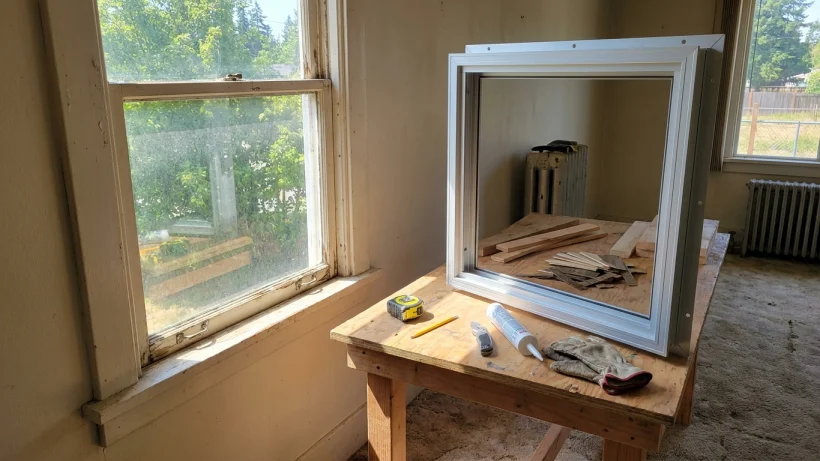
Storm windows add a layer while leaving the primary windows in place. Replacement removes or alters part of the existing window assembly, with the exact scope depending on the installation approach. Storms may suit a preservation-minded project with sound original windows; replacement can address broader problems when frames or glazing are failing.
Compare proposals by the work they actually include: needed repairs, trim and finishing, installation details, cleaning and ventilation, appearance, and future maintenance. Ask each installer to state what their approach will correct and what it will leave unchanged. Two proposals for the same opening may address very different problems.
Choose the storm window design and installation carefully
Clear glass provides an added layer; low-emissivity, or low-e, glass has a coating designed to reduce heat transfer. Neither choice performs independently of the primary window, fit, and installation. Decide whether fixed or operable storms make sense for each room, including how you will open the primary window, ventilate the space, and clean both layers.
In a rainy climate, a close fit must also respect the opening’s intended drainage paths. Sealing over a drain or trapping water against wood can create a problem instead of solving one. Ask how the installer will handle uneven openings, existing trim, appropriate air sealing, drainage, and rot discovered during the work. On an architecturally distinctive home, review frame profiles and sightlines as well as performance.
Questions to ask before comparing estimates
- Which windows are suitable for storms, and which need repair or replacement first?
- What specific draft, moisture, or comfort issue is this work meant to address, and what will remain outside its scope?
- Which frame design and glazing are included? How will the windows be opened, ventilated, and cleaned?
- How will the installation preserve drainage, seal appropriate gaps, and address deteriorated trim or frames?
- What removal, disposal, finishing, and cleanup are included? How will concealed damage affect the proposed scope?
- What product and installation documentation is available, and what do the applicable warranty terms actually cover?
A simple way to decide whether they are worth it
Exterior storm windows are worth investigating when your primary windows are sound, you value keeping them, and your main goals are fewer drafts or added weather protection. Give repair or replacement closer consideration if you find rot, recurring leaks, failed glazing, or significant operating problems.
Compare estimates for the same windows and clearly defined work. Weigh expected comfort, appearance, maintenance, and disruption alongside the quoted amount. If a utility incentive could affect your decision, verify its current availability and eligibility directly with the utility; programs can change.