A Homeowner's Guide to Energy-Efficient Windows in Washington State
A practical breakdown of what makes a window truly energy efficient for the Pacific Northwest climate, explaining energy ratings, glass options, and frame materials.
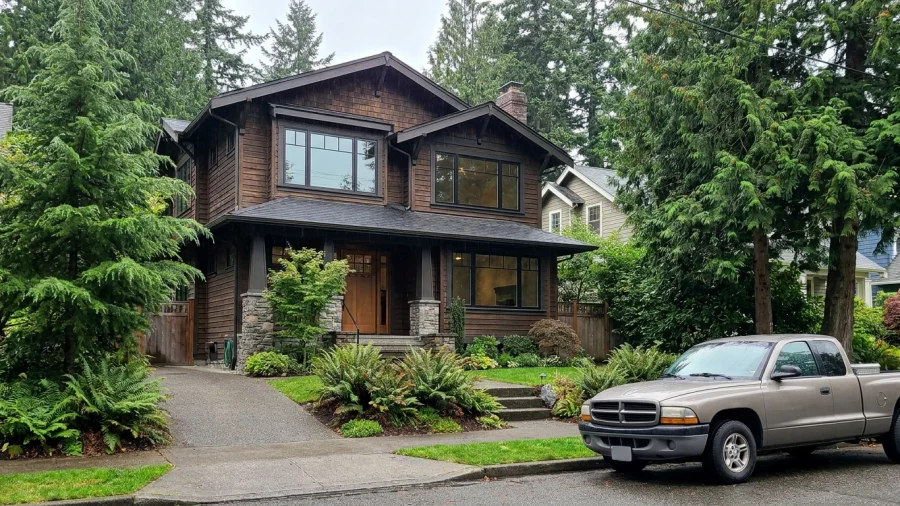
Living in the Pacific Northwest means managing a unique set of weather conditions. From driving rain and high moisture to cool temperatures that linger for much of the year, our homes need reliable protection from the elements. When older single-pane or failing aluminum windows no longer keep the weather out, upgrading to energy-efficient windows is one of the most effective ways to improve home comfort.
Why Washington Homes Need Specific Energy Efficient Windows
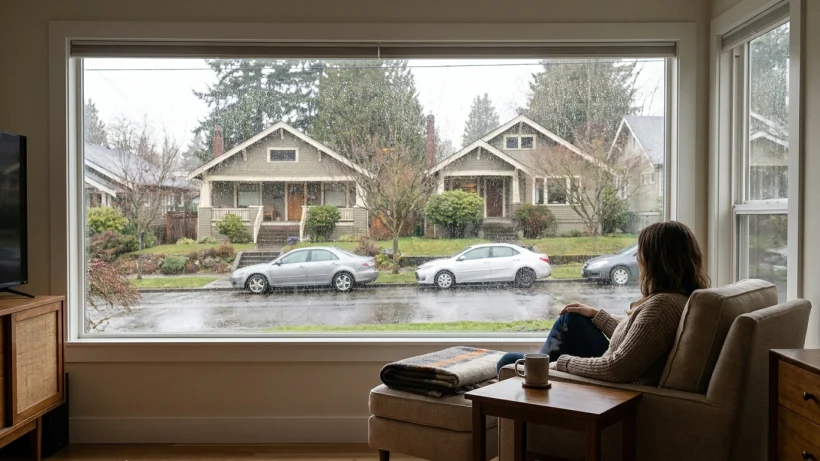
In Washington, energy efficiency is largely about keeping indoor heat from escaping while actively managing moisture buildup. Inefficient windows are notorious for causing cold drafts that sweep across the living room and forcing heating systems to work overtime during the winter. They are also prone to condensation, which can pool on window sills and lead to mold or rot.
Decoding Window Energy Ratings: U-Factor and SHGC
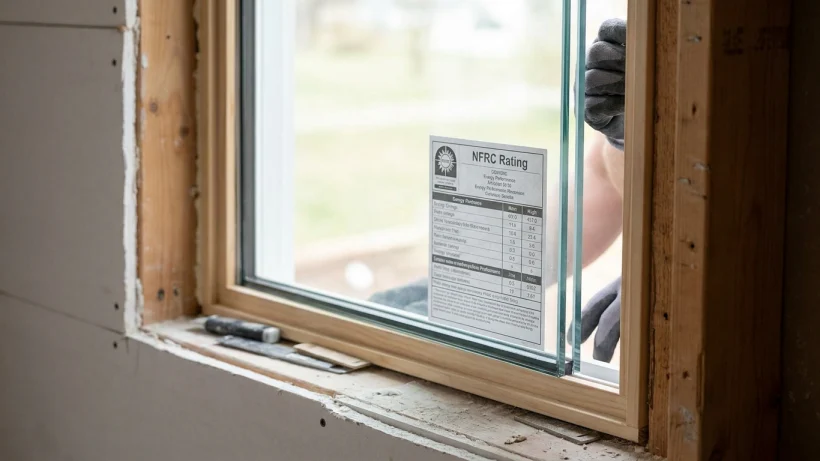
When shopping for replacement windows, you will encounter a label from the National Fenestration Rating Council (NFRC). This label provides verified metrics about the window's energy performance. For Washington homeowners, there are two primary ratings to focus on to meet Energy Star guidelines for the Northern climate zone.
- U-Factor: This measures how well a window prevents heat from escaping your home. A lower number indicates better insulation. For Washington winters, a low U-Factor is a top priority.
- Solar Heat Gain Coefficient (SHGC): This measures how much solar radiation (heat from the sun) passes through the glass. A balanced SHGC is ideal for the Puget Sound region, allowing some warming winter sun into the home while blocking the intense heat of summer afternoons.
Double-Pane vs. Triple-Pane: Which is Better for the PNW?
One of the most common questions from homeowners is whether to invest in double-pane or triple-pane windows. Double-pane windows feature two sheets of glass with an insulating space between them. For most homes in Western Washington, high-quality double-pane windows are the standard upgrade. They offer a massive improvement in thermal performance and comfort compared to older builder-grade windows.
Triple-pane windows add a third layer of glass and a second insulating chamber. While they offer maximum insulation and superior soundproofing, they come with a higher upfront cost and heavier sashes. Triple-pane windows may be the right choice if your home has direct exposure to harsh, driving winds, is located next to a busy street, or if you plan to stay in the home for decades and want to maximize long-term energy savings.
The Role of Low-E Glass and Argon Gas
Modern energy efficiency relies on invisible technologies built right into the window. These features do the heavy lifting to keep your home comfortable year-round and are largely considered essential standards rather than luxury upgrades.
- Low-E (Low-Emissivity) Coatings: This is a microscopically thin, transparent coating applied to the glass. During the winter, it reflects your interior heating back into the room rather than letting it escape. In the summer, it reflects the sun's UV rays away, which also helps protect your flooring and furniture from fading.
- Argon Gas: Instead of regular air, the space between the glass panes is filled with Argon, an inert, non-toxic gas. Argon is denser than air, acting as a thick, invisible blanket that dramatically slows down heat transfer.
Choosing the Right Frame Material for Wet Weather
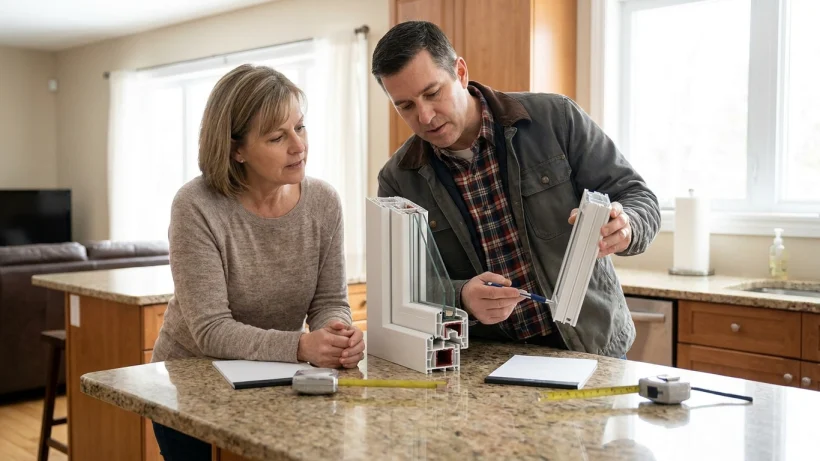
The glass is only part of the equation. The frame material dictates how well the window resists rot, warping, and the constant moisture of the Pacific Northwest.
- Vinyl Frames: Vinyl is highly cost-effective, an excellent insulator, and entirely resistant to moisture. High-quality vinyl frames utilize internal chambers to trap air and boost thermal performance.
- Fiberglass Frames: Fiberglass is extremely durable and expands and contracts at roughly the same rate as glass. This prevents seal failure over time during temperature swings, making it a fantastic, low-maintenance option for Washington.
- Wood Frames: While wood provides excellent insulation and classic aesthetics, it requires significant and ongoing maintenance in wet climates to prevent rot and deterioration.
Why Proper Installation Matters Just as Much as the Window
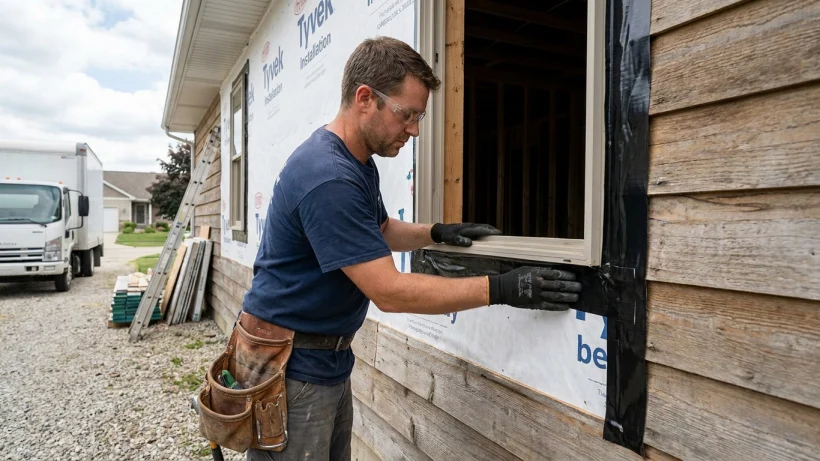
Even the highest-rated, most expensive energy-efficient window will fail to perform if it is not installed correctly. A window is truly only as efficient as the weather seal around it. When replacing windows, the installation process must carefully address the home's specific exterior barriers.
Proper installation involves correctly sizing the rough opening, meticulous shimming to keep the window perfectly plumb and square, and utilizing high-quality flexible flashing tape to integrate the window into the home's weather barrier. Careful exterior caulking is the final step to ensure water sheds away from the frame. A careless installation will void the energy benefits of your new windows and can easily lead to hidden water damage and rot inside your walls over time.