Is Triple-Pane Worth It for Western Washington Windows?
Triple-pane windows can improve comfort in some Western Washington homes, but they are not the right upgrade for every project. Compare complete window ratings, installation scope, and the problems you want to solve before deciding.
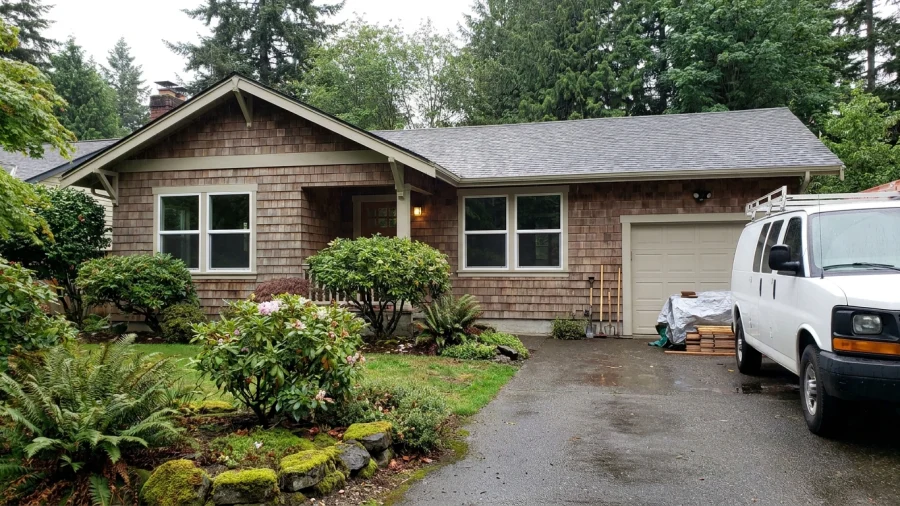
If you are replacing windows in Western Washington, the choice between double-pane and triple-pane glass can feel like a simple question of whether more is better. In practice, the answer depends on your existing windows, the rooms they serve, and the performance of the complete replacement window. The installation matters just as much as the pane count in a region where wind and rain regularly test exterior openings.
The short answer: it depends on your home and priorities
Triple-pane windows may be worth comparing if a room feels cold near the glass, outside noise is a concern, or interior comfort matters more to you than a quick financial payback. They are not automatically the best choice for every home. A third pane by itself does not guarantee a noticeable change in energy bills or comfort.
The condition of your current windows, air leaks elsewhere in the house, the frame and glass specifications, and installation quality all affect the result. To judge the value of an upgrade, compare documented performance and the full installed project cost—not pane count alone.
What changes when a window has three panes?
A double-pane insulated glass unit has two panes of glass with one sealed space between them. A triple-pane unit has three panes and two sealed spaces. Those spaces may contain air or an insulating gas. Together with glass coatings, spacers, and frame design, the construction influences how readily heat moves through the window and how the glass feels from inside the room.
The additional glass can make a unit heavier, which may affect available window styles, hardware, and installation requirements. Triple-pane products also vary: two windows with three panes can have different performance ratings. Compare the exact products being proposed rather than assuming their construction or results are identical.
How Western Washington weather affects the decision
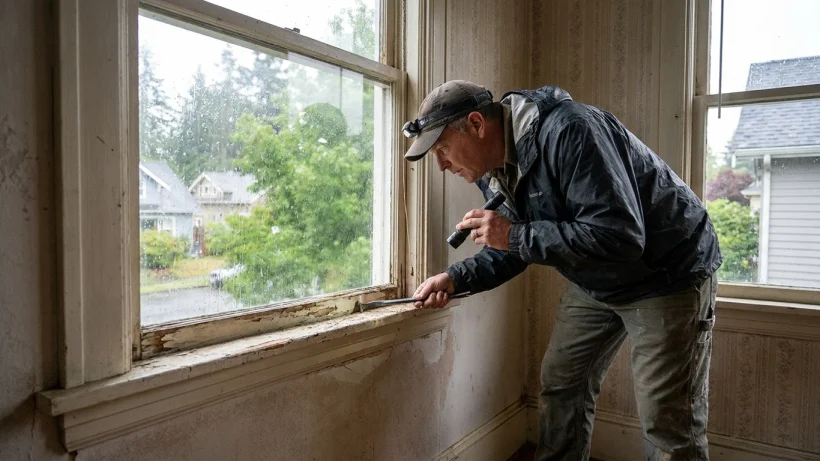
On a cool, windy day, cold glass and air leaking around an older window can make a nearby seat uncomfortable. Better-performing glass may help with the glass temperature, but it will not seal gaps elsewhere in the wall. If a room stays chilly, it is worth considering the opening, nearby insulation, and heating system along with the window.
Frequent rain makes water management a central part of replacement work. Flashing, sill drainage, and the connection between the window and existing wall need careful attention regardless of which glass package you select. Moisture on the inside of glass also has more than one possible cause: indoor humidity, ventilation, surface temperature, and other building conditions all matter. Triple-pane glass is not a guaranteed cure for condensation.
Compare the numbers that matter—not just the number of panes
Window ratings provide a better starting point than a general description such as “energy efficient.” Ask for documentation for the exact size, operating style, frame, and glass configuration under consideration, and make sure the figures you compare are reported on the same basis.
- U-factor describes heat flow through a window. A lower value generally means less heat transfer.
- Solar heat gain coefficient (SHGC) describes how much solar heat passes through. The useful balance can differ for a shaded north-facing room and a sunny, unshaded room.
- Whole-window ratings account for the frame as well as the glass. Use them when comparing complete units rather than relying on glass-only figures.
Product documentation should identify the configuration behind each rating. Also confirm that the selected window and proposed installation align with current requirements for your location and project.
When triple-pane may be worth considering
Triple-pane is worth a closer look for a room that still feels uncomfortable beside the windows after drafts and other home-envelope issues have been assessed. It may also appeal to households that place a high value on interior comfort or have a specific window-performance goal, even when energy-bill payback is not the deciding factor.
For a home near a busy road or another noise source, compare acoustic information for the actual window options. An added pane and differing glass construction may help, but noise reduction depends on the full window design, seals, and installation—not simply the number of panes. Check, too, that the added weight is appropriate for the proposed frame, hardware, and opening.
When double-pane may be the more practical fit
A well-chosen double-pane window can be a sensible fit when its documented performance meets your comfort and noise goals. If your current windows have failed seals or leak air around the opening, addressing those conditions and installing the replacement well may matter more than adding a pane.
Think about each room’s exposure and use, the condition of the existing windows, and how long you expect to own the home. Then compare complete quotes with equivalent installation scopes. A difference in one glass line item does not tell you the difference in total project cost or what work is included.
Installation and estimate details to check
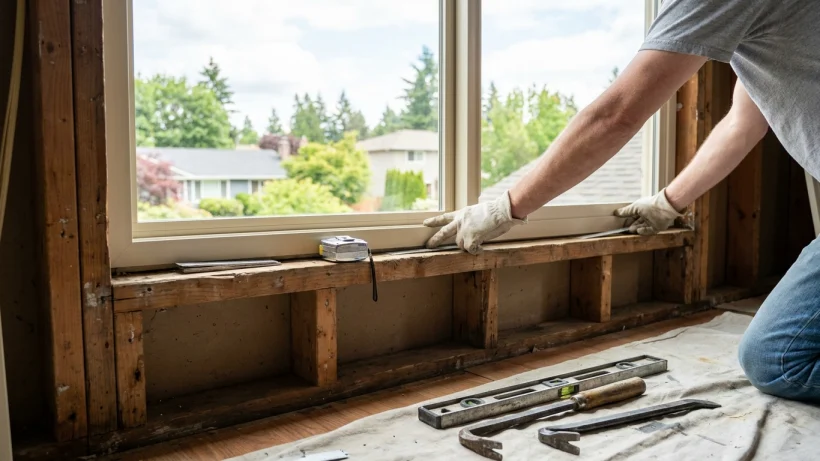
An estimate is easier to evaluate when it names the exact window series, frame material, glass configuration, and documented performance ratings. It should also explain whether the work is an insert replacement or a full-frame replacement; those approaches can involve different treatment of existing trim, interior finishes, and exterior cladding.
- How will the opening be evaluated before installation, including the sill and surrounding wall?
- How will flashing, drainage, and other water-management details be handled?
- What is the process if concealed moisture damage or deteriorated materials are found?
- Which labor, disposal, trim, and finish work are included, and what is excluded?
Clear written scope makes double- and triple-pane proposals easier to compare. Review the applicable product and installation warranty documents themselves to understand their terms, coverage, and limitations.
A simple decision checklist for your home
- Name the main problem: drafts, cold glass, outside noise, condensation, or aging and failed windows.
- Check whether air sealing, ventilation, insulation, or another part of the home contributes to it.
- Compare exact double- and triple-pane products using whole-window ratings and equivalent installation scopes.
- Weigh the added total project cost against the comfort, noise, and performance benefits that matter to your household without assuming guaranteed energy-bill savings.
- Choose the proposal that best fits your home’s conditions and explains the products and installation clearly.
For Western Washington windows, there is no pane-count rule that works for every house. The most useful comparison connects a specific room and problem to documented window performance, a suitable installation plan, and a complete estimate.