Pocket vs. Full-Frame Window Replacement: How to Decide
Learn the critical differences between pocket and full-frame window replacement to choose the right method for your Pacific Northwest home's structure and weatherproofing.
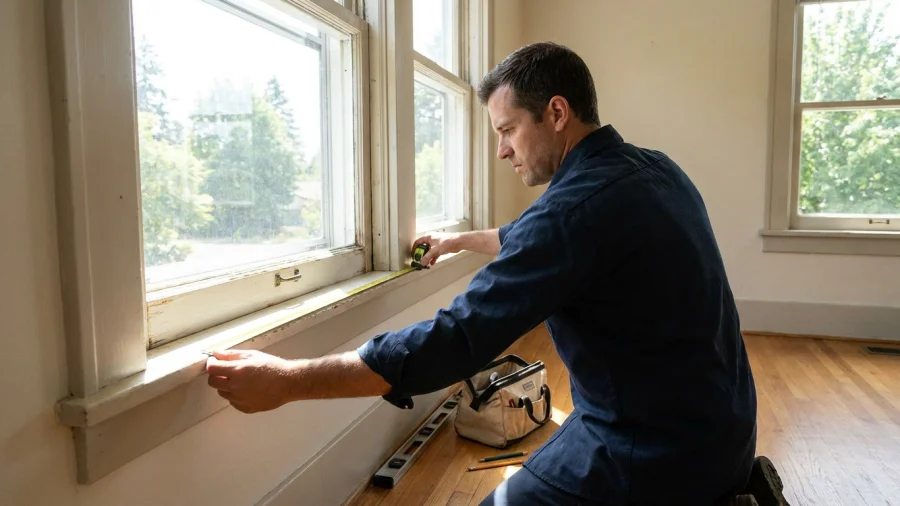
When planning a window replacement project in Western Washington, one of the most critical decisions you will face happens before you even select a window brand or glass package. You must decide how the new window will be installed into your wall: as a pocket replacement or a full-frame replacement.
Both installation methods have distinct advantages, labor requirements, and moisture-management implications. Choosing correctly depends on the physical condition of your existing frames, the style of your interior trim, and how well your home handles the region's relentless wet weather.
The Core Difference: Insert vs. Down to the Studs
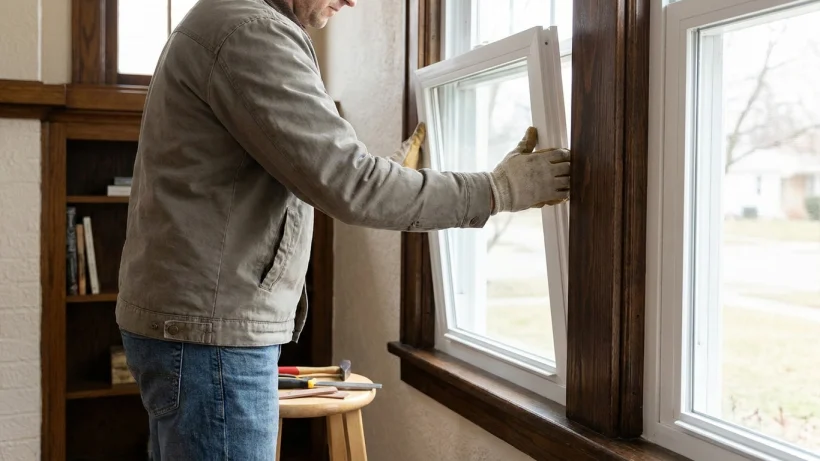
The primary distinction between pocket replacement and full-frame replacement comes down to how much of the original window assembly remains in the wall.
Pocket replacement, commonly called an insert replacement, leaves the original window frame, interior casing, and exterior trim completely intact. The installer removes only the old operating sashes, balances, and parting stops. A fully assembled replacement unit is then slid directly into the existing wooden frame pocket, leveled, secured, and sealed around the perimeter.
Full-frame replacement is a complete tear-out. The entire window unit—including the interior trim, exterior brickmould or casing, jamb extensions, and sill—is removed down to the rough structural wall studs. The new window is installed directly against the rough framing, integrated into the home's weather barrier, and trimmed out anew inside and out.
- Pocket replacement: Keeps the structural frame and surrounding trim intact, swapping only the functional sash assembly.
- Full-frame replacement: Strips the opening down to bare wood framing for a brand-new installation envelope.
- Carpentry scope: Pocket jobs require minimal finish carpentry, while full-frame jobs involve comprehensive interior and exterior trim work.
When Pocket Window Replacement Is the Smart Move
Pocket window replacement is popular for good reason: it is efficient, cost-effective, and causes minimal disruption to the living space. However, it requires specific underlying conditions to be a sound long-term investment.
Pocket replacement works best when the existing window frame is completely square, plumb, and structurally solid. If your home has historic stained wood trim, custom millwork, or delicate plaster walls that you do not want to disturb, pocket replacement allows you to upgrade your glass performance without disturbing the surrounding finishes.
- Sound existing framing: The original jambs and sill are free of dry rot, wood decay, and previous moisture damage.
- Preserving architectural character: Retains custom interior trim, decorative sills, or specialty historic woodwork.
- Project speed: Installation takes significantly less time per opening, reducing labor costs and interior mess across multi-window projects.
- Siding preservation: Exterior siding, such as original cedar lap or stone veneer, does not need to be cut back or modified.
When Full-Frame Replacement Is Mandatory
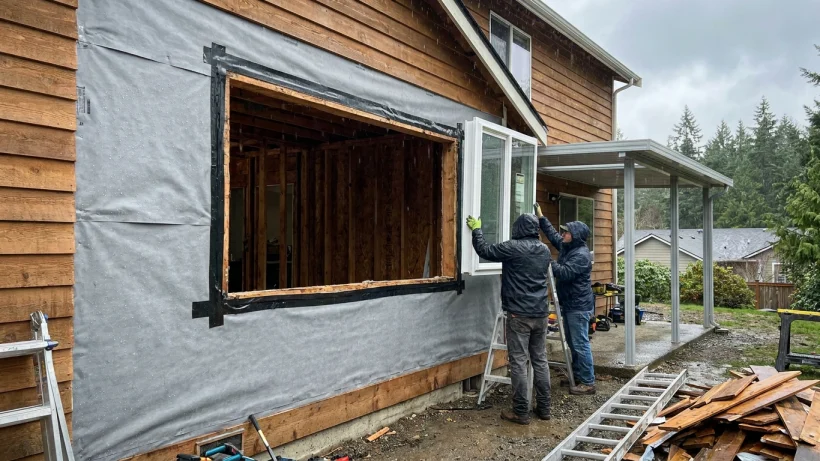
While pocket replacement offers speed and convenience, it is not always a viable or safe option. In many Pacific Northwest homes, a full-frame replacement is necessary to protect the home's structure.
If the existing window jambs, subsill, or surrounding wall studs show any signs of rot, mold, or structural settling, installing a pocket window simply conceals the problem behind a new pane of glass. Decayed wood will continue to deteriorate, eventually leading to air leaks, structural sag, and moisture intrusion.
- Hidden moisture damage: Soft, spongey wood along the sill or lower framing corners requires full removal and structural framing repair.
- Out-of-square openings: Older homes that have settled often have racking frames that cannot support an insert window without severe binding.
- Style or size changes: Converting a window to a different operational type (such as turning a twin double-hung into a picture window) or altering opening dimensions requires framing access.
- Maximizing glass: Contemporary homes benefit from full-frame units, which eliminate layered frame profiles and maximize view and daylight.
The Pacific Northwest Moisture Factor: Flashing and Weatherproofing
Climate should always guide exterior remodeling decisions in Washington. The Puget Sound region experiences persistent light rain, prolonged elevated humidity, and wind-driven moisture that finds every microscopic gap in a building envelope.
Full-frame replacement provides the highest standard of moisture defense because it exposes the rough opening. Installers can inspect the surrounding sheathing, install a sloped, waterproof sill pan, apply flexible flashing tape to the framing, and integrate the window directly with the home's weather-resistive barrier (housewrap).
Pocket replacement, by contrast, relies entirely on the exterior perimeter sealant joints and the existing water-shedding performance of your current trim and siding. While high-grade exterior sealants are effective, they require routine inspection and maintenance over time to prevent water from slipping behind the old casing.
Cost, Timeline, and Interior Impact Comparison
The logistical differences between pocket and full-frame installations impact your project's overall budget, schedule, and daily living routine.
Labor and Material Investment
Full-frame replacements require substantially more labor than pocket installations. Because technicians must remove interior mouldings, rebuild exterior casings, insulate the rough gap with low-expansion foam, and reinstall trim, the carpentry time per opening increases considerably. This additional finish carpentry makes full-frame replacement more costly upfront than pocket replacements.
Installation Timelines and Disruption
Pocket installations move quickly. A crew can often replace several windows in a single day with minimal interior dust, since the surrounding drywall and trim remain untouched. Full-frame installations generate more dust and require working space around each window for trim removal and carpentry tools, making it a more invasive process for occupied rooms.
Checklist: How to Inspect Your Windows Before Choosing
Before scheduling an in-home evaluation with a window professional, you can conduct a simple visual and physical inspection to understand which installation category your windows likely fall into.
- The screwdriver test: Gently press a flathead screwdriver into the bottom corners of your wooden sill and jambs. If the wood feels soft, yields easily, or flakes apart, you need a full-frame replacement.
- Check the apron and stool: Inspect the drywall or trim beneath the window for staining, peeling paint, or raised wood grain, which indicate historic water leaks.
- Examine exterior siding interface: Look at how your exterior siding meets the window. If siding or trim has warped away from the casing, flashing may already be compromised.
- Check operational squareness: Open and close the sashes. If windows stick, rub heavily against the side jambs, or show uneven gaps when nearly closed, the rough opening may have shifted.
- Assess thermal performance: Look for moisture or fog trapped between the glass panes, which signals seal failure regardless of frame condition.
During your consultation, ask your contractor to evaluate the sills from both inside and outside. A clear, honest assessment of the frame condition ensures your investment delivers comfortable, leak-free performance tailored to your home's architecture.