Repairing Fogged Windows in Puget Sound: When to Fix or Replace
Where the moisture appears is the first clue to whether a fogged window needs a humidity adjustment, a new glass unit, or broader replacement. This guide explains the options for Puget Sound homes.
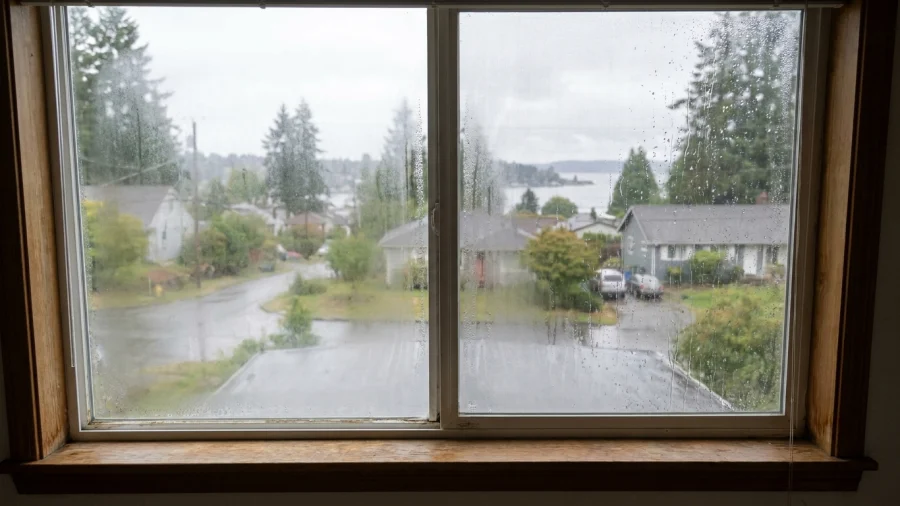
A foggy window does not always mean the window has failed. In a Puget Sound home, moisture may collect on the indoor glass during a cool morning, appear outside under certain weather conditions, or become trapped between panes. Finding out where it sits is the useful first step toward repairing fogged windows.
First, find out where the fog is
Wipe the room-side glass with a clean, dry cloth. If the fog clears, it was surface condensation. If it remains, check the exterior surface when that side is safe and accessible. Condensation outside the glass can occur in certain weather and does not, by itself, mean the window has failed.
If neither exposed surface wipes clear, look closely for haze or droplets between the panes of a double- or triple-pane window. Moisture or a persistent cloudy film in that sealed space often points to a problem with the insulated glass unit rather than ordinary surface condensation.
Why windows get foggy in Puget Sound homes
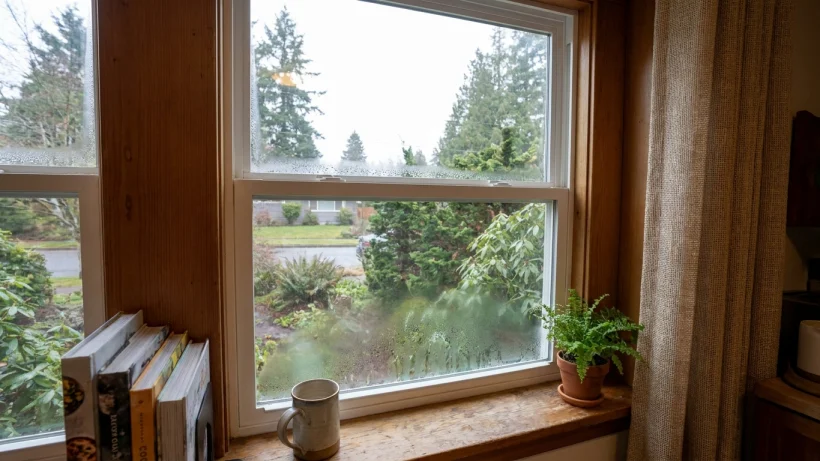
An insulated glass unit has sealed spaces between its panes. As a seal deteriorates, moisture can enter a space that should remain dry. That trapped moisture may show up as fog, droplets, or a film that does not wipe away.
Room-side condensation has a different cause: humid indoor air meets cooler glass. Western Washington’s cool, wet weather makes this especially noticeable in kitchens, bathrooms, bedrooms, and homes with limited ventilation. Cooking, showers, drying laundry indoors, and inadequate exhaust ventilation can all add indoor moisture.
Condensation on the room-side glass is not automatic evidence of a failed seal. Notice whether it appears in several rooms, follows a shower or cooking, or changes when the weather or ventilation changes.
What a failed window seal can—and cannot—tell you
Persistent haze, droplets, mineral-like residue, or reduced clarity that cannot be wiped from either exposed surface suggests moisture is inside the glass unit. The unit may no longer be performing as intended, but appearance alone cannot establish the cause or quantify any change in energy performance.
Look beyond the glass before deciding on a repair. Drafts, a soft or damaged frame, difficult operation, water staining, or decay around the opening may point to problems a glass-only replacement would not address.
Repair options: glass unit, sash, or full window
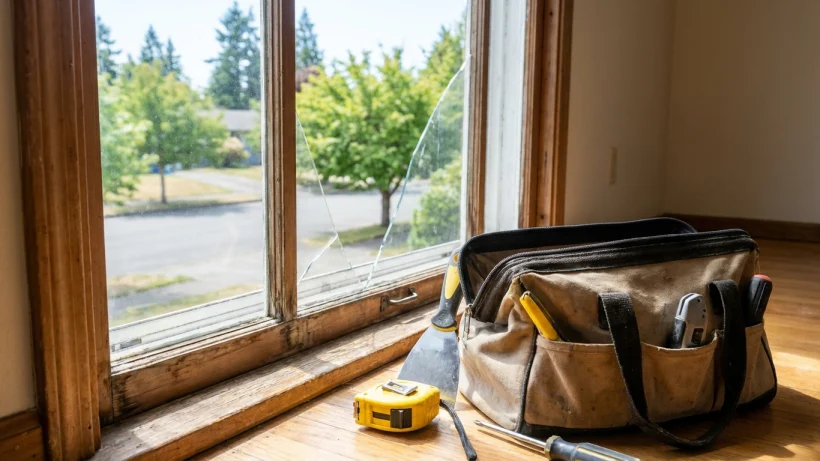
If the frame and sash are sound and the window design permits it, replacing the insulated glass unit may resolve fog trapped between panes while leaving the rest of the window in place. Some windows instead allow a sash replacement, which can be a middle ground when the movable portion is damaged or the glass is difficult to service separately.
Full-window replacement may make more sense when the frame has deteriorated, water is entering around the window, operation is poor, or several components need attention. The right scope depends on the window’s construction and the condition of the surrounding opening.
Drilling or defogging treatments may improve appearance in some cases, but they do not necessarily restore the original sealed-unit performance. For any proposed option, the written scope should identify what will be replaced or treated, the glass specifications, installation details, and any applicable product terms.
How to decide whether to fix or replace
An isolated glass problem in a solid, properly operating window is a reason to investigate glass-unit or sash repair. Frame rot, recurring water intrusion, persistent drafts, poor operation, or several failing windows make a broader replacement assessment more useful.
Consider clarity and appearance alongside comfort, maintenance, and whether the existing window still suits the household. In an older home, window configuration, trim, and applicable local requirements can affect the work; those details need to be checked for the specific property.
When comparing written estimates, look at the components and materials included, not just whether the work is labeled a “repair” or a “replacement.” Two estimates with similar names may address very different parts of the window.
Questions to ask before approving the work
- Is the moisture on an exposed surface or inside the insulated glass unit? What observations support that diagnosis?
- Will the work replace the glass unit, the sash, or the entire window? Will the existing frame remain?
- How will the opening, seals, and flashing be handled, and what happens if moisture damage is found?
- What glass type and measurements are specified? Are removal, disposal, and finish work included?
- What schedule assumptions or exclusions are in the estimate?
- What product and workmanship coverage applies, and where can its terms be reviewed?
A practical next step for a fogged window
A short record can make a recurring problem easier to assess: note which surface looks foggy, whether it wipes away, how long it lasts, and whether the nearby frame shows staining or damage. Clear photos taken in different weather or at different times of day can help show the pattern.
If the issue is limited to a failed glass seal, glass-unit repair may be possible. If the frame, opening, or operation also has problems, full replacement may be worth evaluating. An on-site assessment is the reliable way to confirm what can be repaired and identify conditions that are not visible from the glass alone.