Seasonal Window Maintenance for Puget Sound: Seal, Clean, Inspect
A seasonal checklist for cleaning window tracks, checking seals and drainage, and spotting moisture concerns in Puget Sound homes.
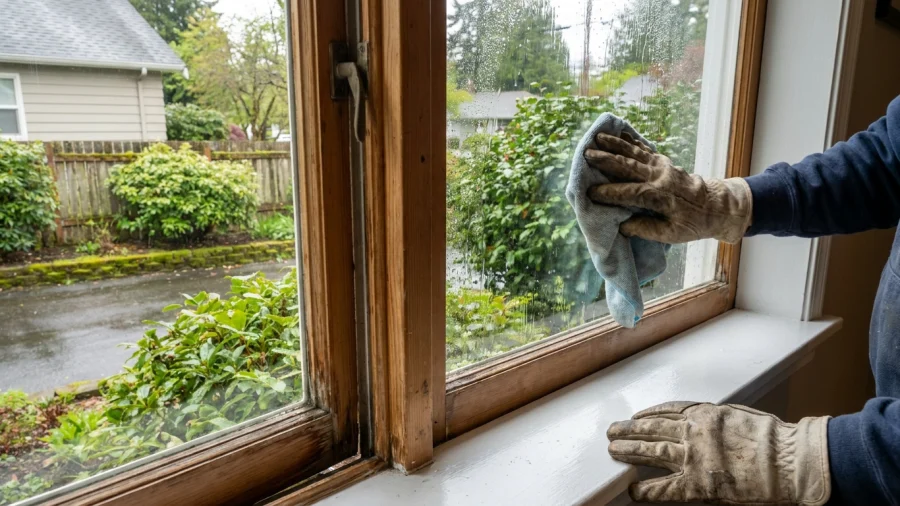
Window maintenance in Puget Sound does not need to be complicated. A few checks throughout the year can help you keep windows operating smoothly and notice changes before damp weather makes them harder to ignore. Start with the care instructions for your windows, since cleaning methods and approved products vary by frame, glass, and hardware.
Why Puget Sound Windows Need Seasonal Attention
Western Washington rain and wind can expose gaps, worn exterior sealant, or drainage problems that are easy to miss in dry weather. Pollen, dirt, and leaves can also collect in tracks and drainage openings. Seasonal checks help you spot these changes, but cleaning alone will not correct a damaged window or a leak in the surrounding wall.
Pay attention to where moisture appears and when. Condensation on the room-side glass during cold weather can have a different cause from water appearing at the frame after rain. Noting the location and conditions makes it easier to decide what needs further attention.
Spring: Clean the Glass, Tracks, and Frames
After the wettest months, begin by lifting loose grit from frames and sills with a soft brush or cloth. Wash glass and compatible frame surfaces with mild soap, water, and a non-abrasive cloth. Avoid abrasive pads, harsh solvents, and lubricants unless your window manufacturer recommends them.
- Vacuum loose debris from accessible tracks, then wipe corners without forcing or bending hardware.
- Open and close each operable window and check that it latches smoothly. Note sticking, unusual movement, or damaged parts.
- Skip the pressure washer. Forceful spray directed at joints and seals can push water where it does not belong.
Early Summer: Inspect Exterior Seals and Window Surrounds
When exterior surfaces are easier to see, look from the ground or another safe location for cracked, loose, or missing sealant at visible joints. Check nearby trim and siding for peeling finishes, staining, softness, or deterioration. These signs deserve a closer look, but they do not establish where moisture is entering.
Do not assume every visible joint should be caulked. Windows may have designed drainage paths, including weep openings, that must stay clear. Avoid leaning out of a window or climbing onto a roof for an inspection. Photos taken from a safe location can help you track changes and show a repair professional when a concern appeared.
Fall: Clear Drainage Paths Before the Rain Returns
Before the wetter season, remove leaves, cobwebs, and dirt from accessible sills and tracks. If your windows have designed drainage openings, keep them clear without probing them with sharp tools or filling them with paint or sealant. Check that screens are seated properly and free of obvious damage; follow manufacturer guidance if you choose to remove and store them.
Look for loose components or gaps in weatherstripping, but avoid adding generic products that could affect window operation or drainage. After a substantial rain, check interior sills and nearby walls for new dampness or staining.
Winter: Watch for Drafts, Condensation, and Signs of Water
Cold, wet weather makes comfort and moisture patterns easier to notice. Record whether condensation forms on the room-side glass, between glass panes, or around the frame. Wipe room-side condensation when it appears, and consider indoor humidity, ventilation, and everyday moisture from cooking or bathing. Fogging or water between panes is different from surface condensation and may warrant assessment.
Also note persistent drafts, cold spots, peeling finishes, stains, or dampness around the window, including whether they appear during wind-driven rain. Do not use an open flame or high heat to look for drafts. A visual check and notes about the conditions are safer starting points.
When Routine Maintenance Is Not Enough
Recurring water intrusion, soft or deteriorating materials around a window, persistent fogging between panes, or a window that will not latch securely calls for an assessment rather than another round of cleaning. Appearance alone may not reveal whether the issue is with the window, its installation, or the surrounding trim and siding.
Document the symptom’s location, how often it happens, and the weather when it occurs. When discussing it with a professional, ask what the inspection covers, which surrounding materials will be checked, and what repair options fit the findings. If replacement is being considered, ask how the proposed window and installation details account for rain exposure, drainage, and the home’s existing construction. Keep product information, photos, and maintenance or repair records, and continue following applicable manufacturer care guidance.