Secure Replacement Windows: Essential Safety Features for Your Home
Discover how modern replacement windows enhance home security with upgraded locks, durable frames, and shatter-resistant glass options for Washington homes.
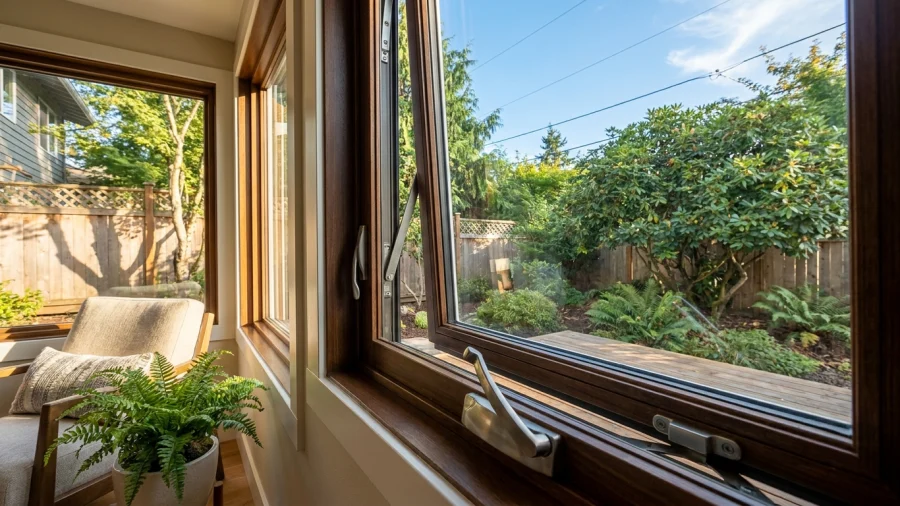
Why Secure Replacement Windows Matter for Peace of Mind
Ground-floor windows are a common vulnerability in residential homes. For many older houses, the risk isn't just a simple break-in; it's the physical condition of the window itself.
Years of exposure to Pacific Northwest moisture often lead to degraded latches, loose sashes, and wood rot. These issues make older windows easy to pry open, compromising your home's safety. Modern secure replacement windows solve this by integrating security directly into the design, eliminating the need for bulky aftermarket add-ons.
Upgraded Locking Mechanisms: Beyond the Basic Latch
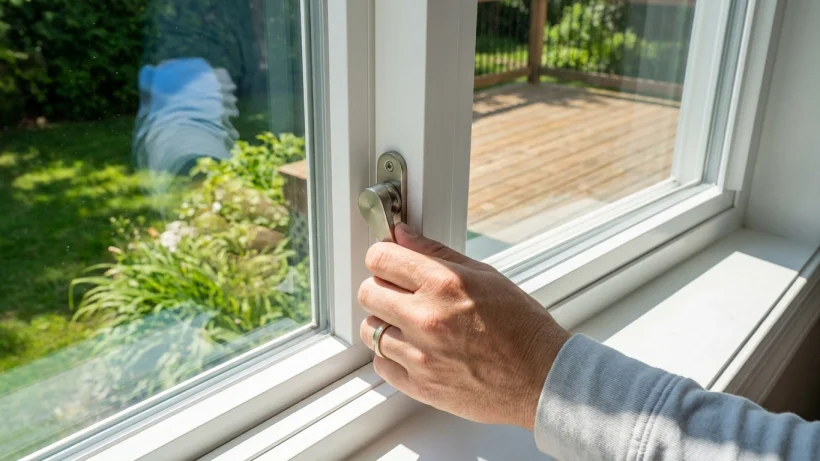
A window is only as secure as its lock. Today's secure replacement windows feature hardware designed specifically to prevent forced entry.
- Multi-point locking systems: Often found in casement windows, these secure the sash in several places with a single turn of the handle.
- Heavy-duty cam locks: Used on double-hung and slider windows, these locks pull the sashes tightly together, making it highly difficult to tamper with from the outside.
- Ventilation latches (vent stops): These allow you to safely open a window just a few inches for fresh air without compromising your home's security.
Durable Frame Hardware: The Foundation of Window Security
Even the strongest lock is useless if it is attached to a weak or rotting frame. Replacing old, moisture-damaged wood frames eliminates soft spots where someone could easily wedge a pry bar.
Modern window materials, such as vinyl and fiberglass, are built with structural integrity in mind. These secure replacement windows feature reinforced meeting rails that resist bowing or breaking under pressure, providing a rigid and highly resilient barrier for your home.
Glass Options That Improve Home Security
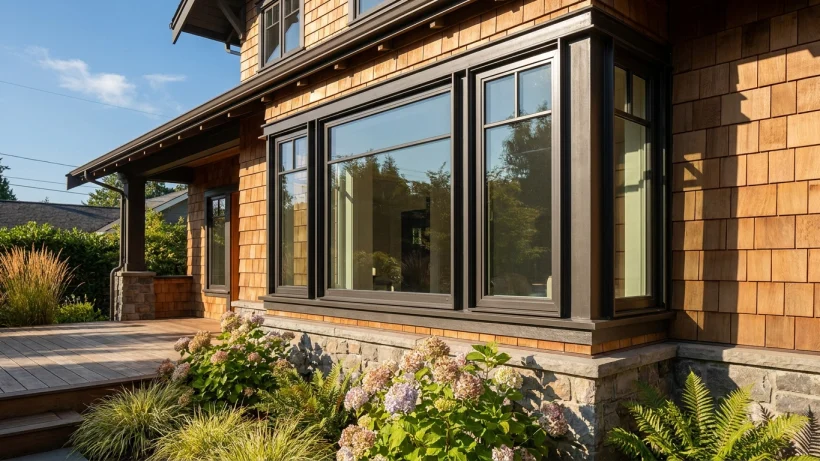
The glass itself plays a major role in window security. At a basic level, upgrading from older single-pane windows to standard double-pane or triple-pane glass inherently offers far more resistance to impacts.
If you are looking to maximize ground-floor security, there are specialized glass options worth considering.
- Tempered safety glass: Heat-treated to be significantly stronger than standard glass. If broken, it crumbles into small, dull pieces rather than sharp shards.
- Laminated glass: Features a heavy-duty polymer interlayer that holds the glass together even when shattered. This makes it incredibly difficult to break through, serving as a great defense against both break-ins and severe windstorms.
The Most Secure Window Styles for Ground Floors
The way a window operates can impact its overall security. When planning your exterior remodeling project, choosing the right style for vulnerable ground-floor locations is a practical way to improve peace of mind.
- Casement windows: Widely considered the most secure operating style. Their crank mechanism and hook-shaped locks make them nearly impossible to pry open from the outside.
- Awning windows: Offering similar security to casements, awning windows hinge at the top. They can even be left open for ventilation during light Washington rain while maintaining safety.
- Picture windows: Because they are fixed and have no operating parts or seams to pry, picture windows are highly secure for areas where you want natural light but do not need ventilation.
Professional Installation: The Hidden Security Feature
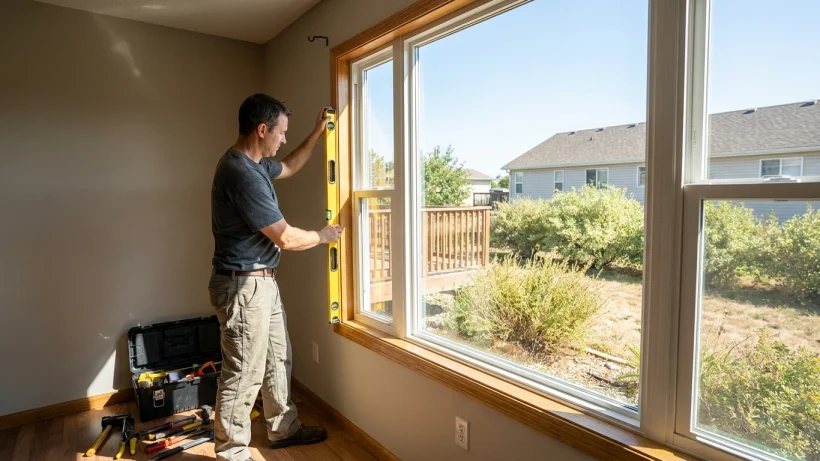
The highest quality security hardware will fail if a window is installed poorly. Proper installation ensures that your secure replacement windows function exactly as designed.
During installation, careful shimming and securing to the home's rough opening prevents hidden gaps that could be leveraged. Furthermore, if a window isn't installed perfectly square and plumb, the locking mechanisms will not align correctly and cannot engage fully. Working with a licensed, insured contractor ensures your windows not only keep the weather out but also meet local Washington building codes for safety and egress.