U-factor and SHGC Demystified for Puget Sound Window Choices
U-factor and SHGC describe different parts of window performance. Learn how to compare them alongside sun exposure, room comfort, and installation plans for a Puget Sound home.
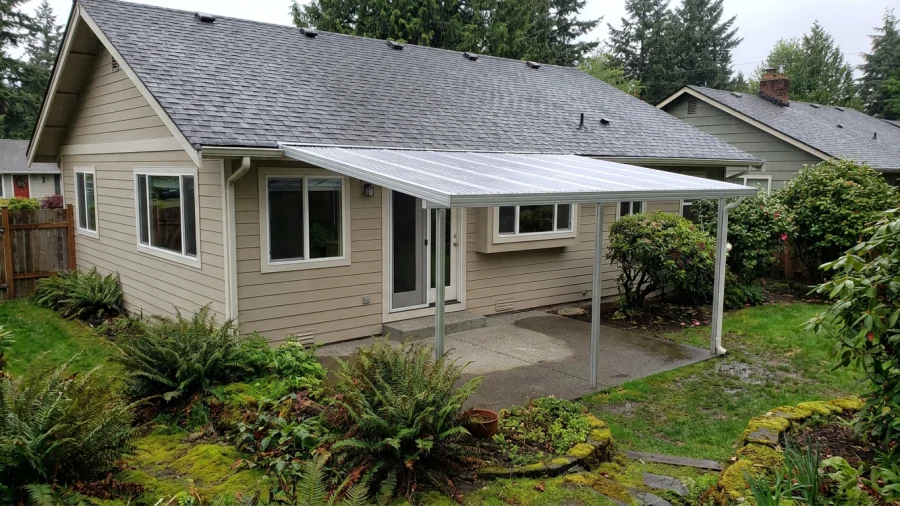
Window ratings can make replacement choices look like a contest between numbers. For Puget Sound homes, those numbers are more useful when you connect them to the rooms you live in: where heat escapes during cool weather, where sun creates glare, and how each window will be installed.
Why these two ratings matter for Puget Sound homes
U-factor describes heat transfer through a window; solar heat gain coefficient, or SHGC, describes how much solar heat passes through it. They measure different things, so choosing by either number alone can be misleading. Western Washington’s cool, wet seasons make heat loss important, but sunny periods can also make an exposed room uncomfortably warm.
Ratings do not capture every source of discomfort. Drafts, aging seals, shading, installation quality, and the home’s heating and cooling setup all matter. The useful combination depends on the house and the problem you want to solve, not just its climate region.
U-factor: how readily a window transfers heat
A lower U-factor means less heat moves through the rated window under standardized test conditions. That can be valuable during cool Puget Sound weather, particularly near windows that feel cold. U-factor is not an insulation R-value; the scales work differently and should not be used interchangeably.
Look for the whole-window U-factor, which accounts for the frame and glazing together, rather than a center-of-glass figure alone. A lower rating can help limit heat loss, but it cannot promise a particular room temperature or energy-bill change. Air leaks and installation details still affect what you experience.
SHGC: how much solar heat comes through
SHGC is a decimal describing how much of the sun’s heat a window admits. A higher SHGC allows more solar heat through; a lower SHGC allows less. That heat may be welcome in some rooms and seasons, while strong direct sun can contribute to overheating or glare in others.
SHGC does not, by itself, tell you how bright a room will be or how clear the view will look. Visible transmittance is a separate measure of light passing through a window. Neither a high nor a low SHGC is automatically the best choice for every Western Washington home.
How orientation, shade, and room use change the choice
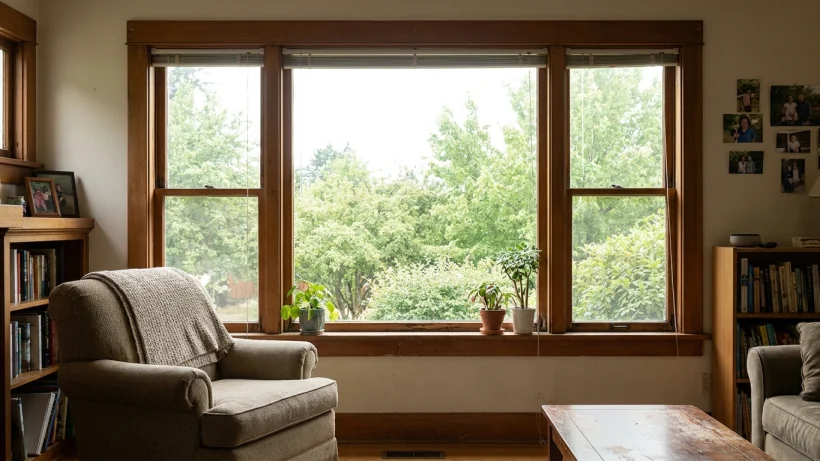
Before comparing products, note which openings get direct sun and when. A west-facing living room with long afternoon exposure may have different needs from a shaded north-facing bedroom. South-facing exposure can also change with the season and the height of the sun. Trees, neighboring buildings, roof overhangs, and exterior shades can substantially change what reaches the glass.
- Where do you notice afternoon glare or a room getting too warm?
- Which windows feel cold during cooler months, and are there noticeable drafts?
- How important is daylight or an unobstructed view in each room?
- Does shade change as trees lose leaves or the sun shifts through the year?
These observations make a room-by-room discussion more useful than assuming every opening needs identical specifications. A qualified window professional can help relate the ratings to actual exposure and comfort concerns.
Read the rating as part of the complete window specification
Check the NFRC label or product data for the window configuration under consideration. Confirm whether the listed U-factor and SHGC apply to the proposed window type, glazing package, frame, and options. Ratings can differ across configurations within the same product line, so a broad description such as “double-pane” is not enough for a fair comparison.
Glass coatings and additional panes can change performance, but their effects depend on the specific design. Compare like with like and consider the wider specification too: available air leakage information, visible transmittance, ease of operation, and maintenance needs. The best-looking pair of energy numbers may not address every practical priority.
Questions to ask when comparing window estimates

A written estimate is easier to evaluate when the proposed products and installation work are specific. Use these questions to find out whether two proposals are describing comparable windows and comparable scopes:
- Do the U-factor and SHGC shown apply to the complete window in the proposed style and configuration? How are ratings documented for the proposed size?
- Which frame and glass package are included, and how would the ratings change with a different option?
- Which openings, operating styles, and finish options does the estimate include?
- How will water management, flashing, and air sealing be handled where the new window meets the existing wall?
- What existing conditions might change the installation scope once the openings are examined?
A strong rating does not replace a site assessment or a careful installation plan. In a rainy climate, details that direct water outward and limit air leakage are important parts of the finished project.
A simple way to narrow down your priorities
Start with the issue you want to improve: heat loss, drafts, glare, overheating, aging windows, or several at once. Map the affected openings by orientation, shade, and room use. Then compare the proposed whole-window U-factor and SHGC for those openings alongside daylight, appearance, operation, and the installation details in the estimate.
There is no single rating combination that fits every Puget Sound house. Unusual sun exposure, persistent comfort problems, or a complex retrofit may need project-specific guidance. Product and building requirements can also depend on the home and scope of work, so verify which requirements apply before settling on a specification.