What to Ask Your Window Installer in Washington Before You Sign
The right questions can make window proposals easier to compare. Use this guide to clarify installation methods, water management, project responsibilities, and written coverage before signing.
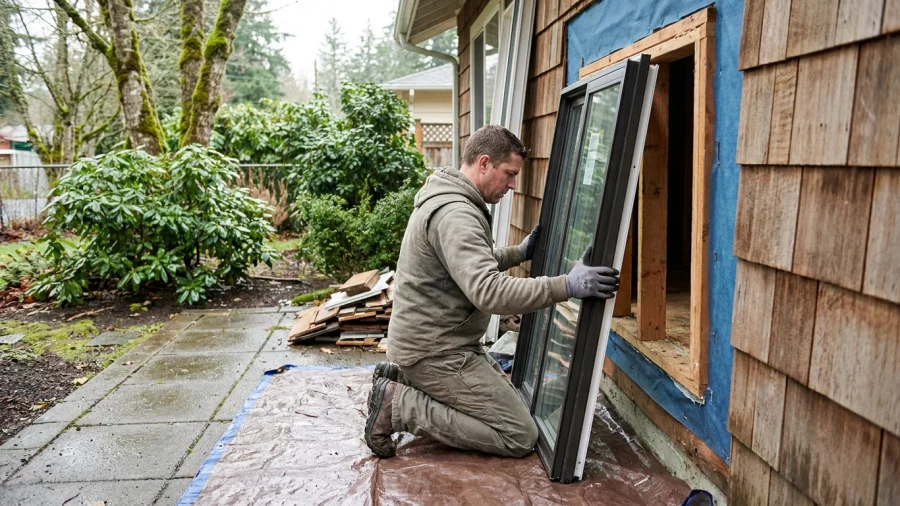
Comparing replacement window bids takes more than checking the window brand and total price. The questions to ask a window installer should also cover how the windows will be fitted, how the openings will manage rain, and what happens if the crew finds damage. Clear answers before signing help you understand what each proposal actually includes.
Why the installation plan matters in Washington
A well-rated window still depends on an installation that fits the opening and manages water at the surrounding wall. In Western Washington, wind-driven rain, shaded walls that dry slowly, and aging siding or trim can make those details especially important. Two homes with the same window product may need different approaches because their walls and exposure differ.
You do not need to become an installation expert. Ask the installer to explain, in plain language, how the proposed method fits your home and where water will go if it gets past the outermost seal.
Questions about the company and the people doing the work
Start by establishing who is responsible for the work, from the estimate through the final walkthrough. These questions help turn a company name on a proposal into a clear plan for accountability.
- What is your Washington contractor registration information? Where can I verify its current status through the state?
- What insurance coverage does the company carry, and will the installers be employees or subcontractors?
- Who will supervise the installation, who will be my day-to-day contact, and who makes decisions if an issue comes up?
- Can you share recent examples or references for homes with a similar age, siding type, or rain exposure?
Verify registration through the appropriate Washington state source rather than relying on a verbal assurance. If subcontractors will perform the work, ask how their work is supervised and who remains responsible for resolving concerns.
Questions about the windows and their performance
Ask for the manufacturer, product line, frame material, glazing options, and the reason those choices suit your home. No single material or rating is best for every opening. A room’s orientation, summer sun, ventilation needs, and existing comfort problems all affect which features matter most.
- What are the documented U-factor and solar heat gain coefficient for the proposed window, and how do those values relate to this room?
- Does the proposed operating style suit the opening and provide the ventilation I want?
- Are there safety or egress considerations for this room that affect the window configuration?
- Will the written proposal identify each window’s type, size or schedule, glass, hardware, color, and other selected options?
Keep the product specifications with the estimate. That makes it easier to see whether two bids propose comparable windows rather than assuming similar-looking units have the same features.
Questions about water management and installation details
Ask whether the plan calls for insert replacement or full-frame replacement, and why. An insert may retain more existing trim but provides less access to concealed areas around the opening. A full-frame approach can expose more of the surrounding structure, but may involve more trim and finish work. Ask how either choice could affect visible glass area and the finished appearance.
Then ask how the new window will connect to the existing drainage plane, flashing, sealants, and siding or other cladding. “We seal it” is not a complete explanation. The installer should be able to describe how the opening will shed water without directing it behind trim or siding, and how the crew will protect an open wall if rain arrives during the work.
Concealed damage deserves its own question: What happens if the crew finds rot, damaged sheathing, or a failed earlier installation? Ask how the condition will be shown to you, how the proposed repair and added cost will be documented, and when you will approve the change before work proceeds.
Questions about the written estimate and project scope
A useful estimate describes the whole job, not just the window units. Check that it identifies the number and types of windows, installation method, removal and disposal of old units, interior and exterior trim work, and finish details. If one proposal includes trim repair and another does not, their totals are not directly comparable.
- What is excluded, including any painting, drywall repair, blinds, alarm sensors, or damaged framing?
- How will concealed conditions, changes, and additional work be priced and approved in writing?
- What is the payment schedule, expected start window, and estimated duration?
- What factors, such as product delivery, weather, or discovered damage, could change that timing?
If an answer changes what you expect to receive, ask for it to appear in the proposal. A verbal explanation may be helpful during a conversation, but the written scope is what lets you compare bids and confirm responsibilities later.
Questions about permits, older homes, and site protection
Permit and inspection needs can depend on the scope of work and the local jurisdiction. Ask whether they may apply to your project, who will confirm the requirements, and who will handle any required paperwork or inspections. Do not assume every window replacement follows the same process.
If the home is older, ask how the crew will assess existing materials before disturbing them and what happens if testing or qualified abatement is needed. The answer should address your specific project rather than presume that old finishes or other materials are safe to disturb.
Also discuss everyday protection: coverings for floors and furnishings, care around landscaping and nearby exterior areas, debris removal, and disposal of old windows. Confirm access arrangements, pets, work hours, and how each opening will be secured at the end of the workday.
Questions about timelines, cleanup, and communication
Ask how many openings the crew expects to complete per day and whether any rooms will temporarily lack a usable window. Find out who will update you about delivery, schedule changes, and decisions that cannot wait until the final walkthrough. An estimated timeline is most useful when you also know how changes will be communicated.
Before the job begins, ask what the final walkthrough will cover. It should give you an opportunity to check window operation, locks, screens, visible finish work, and care instructions. Clarify how to report a punch-list item or installation concern, who will follow up, and how you will know it has been resolved.
Questions about product coverage and workmanship follow-up
Product coverage and installation-related coverage may be separate. Request the manufacturer’s written warranty information and ask who handles a product claim. Separately, ask what written workmanship coverage applies, what it includes or excludes, and how you would request service if a concern appears.
Check the actual documents for conditions such as product registration or stated maintenance requirements rather than assuming every issue is covered the same way. Keep the signed proposal, window specifications, warranty documents, approved changes, and completion records together for future reference.
A simple way to compare installer answers
Put proposals side by side and compare the same categories: product specifications, installation method, water-management plan, included finish work, exclusions, schedule, and written coverage. Mark which answers are specific and documented, and which are vague, verbal, or deferred until after signing.
Resolve unanswered scope questions in writing before agreeing to the work. The clearest proposal is not necessarily the one with the lowest headline number; it is the one that explains what will happen at your home, who is responsible, and how unexpected conditions will be handled.