Window Frame Materials Compared: Best Choices for the Pacific Northwest
Compare vinyl, fiberglass, wood, and aluminum window frames to find the best balance of durability, energy efficiency, and value for your Washington home.
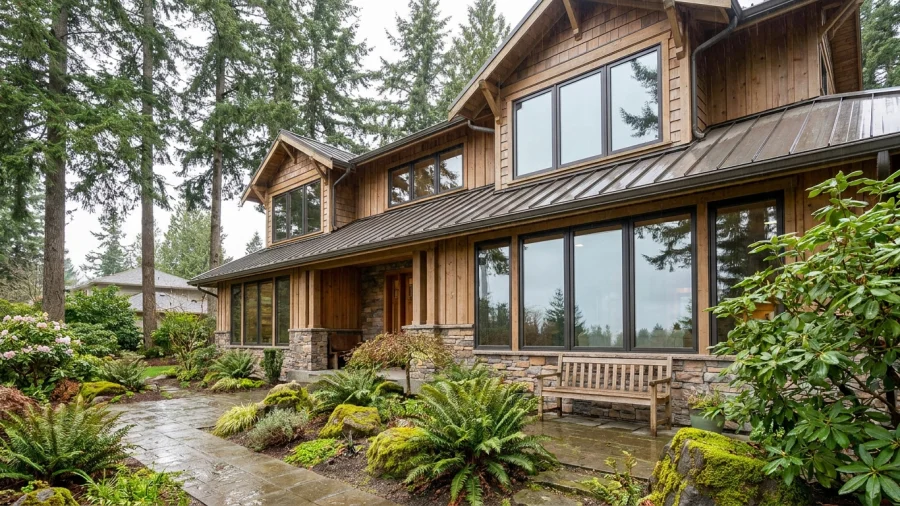
When replacing your windows, the glass package often gets the most attention for its energy efficiency. However, the material holding that glass in place is equally important, especially in Western Washington. The frame dictates how well the window resists moisture, how much maintenance it will require, and how long the weather seals will last before needing replacement.
Why Your Window Frame Material Matters in Washington
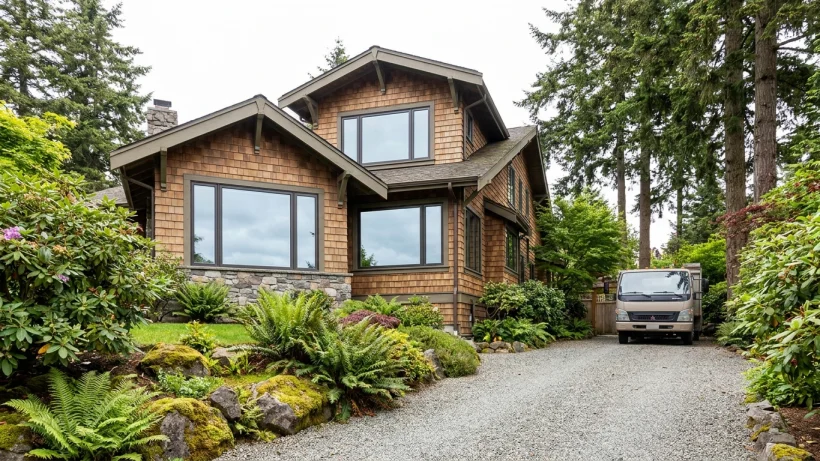
The Pacific Northwest climate puts unique stress on a home's exterior. Unlike regions with extreme, dry heat, Washington homes face constant moisture, heavy seasonal rainfall, and long, damp winters. This continuous exposure tests window frames and seals year-round.
- Moisture Resistance: The right material prevents common regional issues like frame rot, trapped moisture, and water intrusion into your wall cavities.
- Thermal Performance: Damp, cold winters mean a highly conductive frame will pull heat out of your home, raising energy bills and causing interior condensation.
- Structural Stability: Materials that expand and contract heavily as temperatures shift can weaken window seals over time, leading to foggy glass.
Vinyl Windows: The Practical, Low-Maintenance Favorite
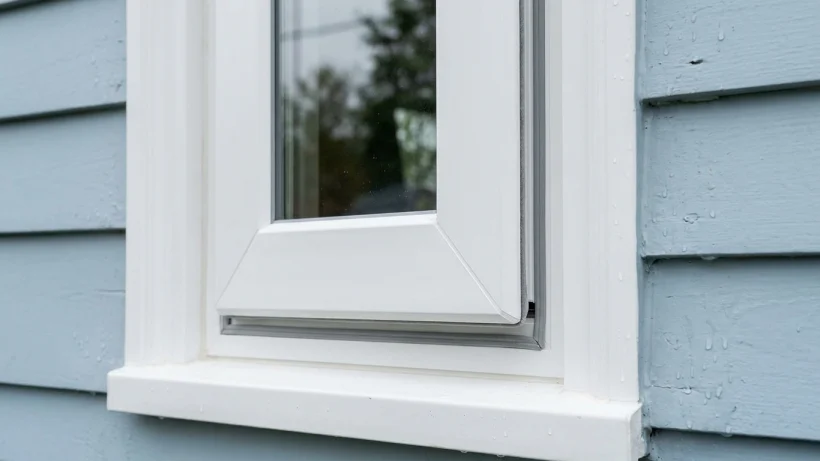
Vinyl is the most popular replacement window material in the country, and for good reason. It offers an excellent balance of affordability and energy efficiency. Modern vinyl windows are built with multi-chambered frames that trap air, providing high levels of insulation without the need for additional materials.
- Pros: Highly affordable, requires zero painting or scraping, and delivers strong thermal performance.
- Cons: The frames are traditionally thicker than other materials, which can slightly reduce visible glass space. Color options can also be limited, though modern manufacturing is expanding choices.
- PNW Fit: Excellent. Because vinyl is essentially a durable plastic, it does not rot, peel, or corrode when exposed to constant Washington rain.
Fiberglass Windows: The Premium PNW Powerhouse
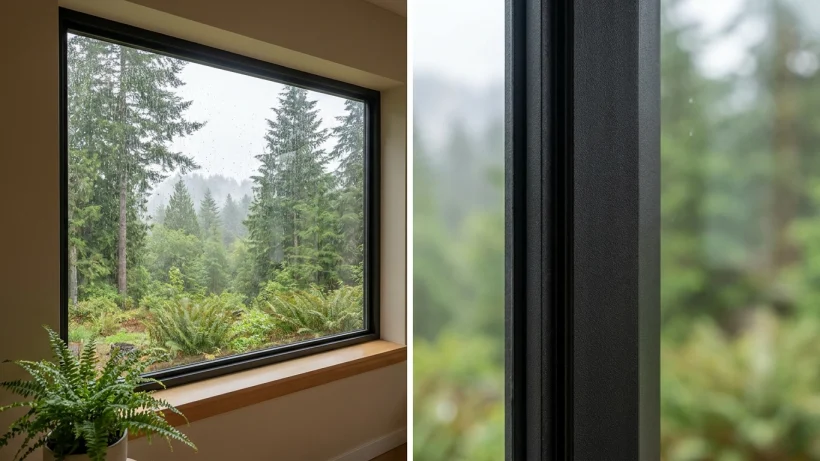
If you are looking for maximum durability and longevity, fiberglass is the premier choice for the Pacific Northwest. Made from glass fibers and resin, this material is incredibly strong and highly resistant to environmental wear and tear.
- Pros: Unmatched structural strength allows for thinner frames and more glass. Fiberglass expands and contracts at the exact same rate as the window glass, dramatically reducing stress on the seals and preventing failure.
- Cons: Higher upfront cost compared to vinyl, making it more of an investment.
- PNW Fit: Outstanding. Fiberglass is completely impervious to water and handles Western Washington's temperature swings with ease. It can also be painted dark colors without warping in summer sunlight.
Wood Windows: Classic Charm with Maintenance Demands
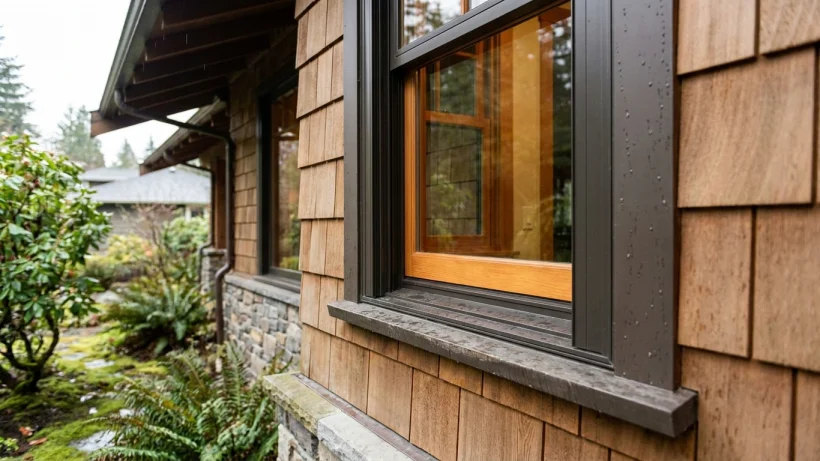
Wood frames offer an unmatched, traditional aesthetic and excellent natural insulation. They are often the required or preferred choice for restoring historic homes in classic Washington neighborhoods like Queen Anne, North Tacoma, or North Everett.
- Pros: Beautiful natural grain, excellent thermal insulation, and easily customizable with paint or stain.
- Cons: Requires strict, ongoing maintenance. Wood must be regularly painted or sealed, and it carries a high risk of rot if moisture penetrates the finish.
- PNW Fit: Requires commitment. If you love wood, it is highly recommended to choose a clad-wood window for Washington weather.
Aluminum Windows: Sleek Lines, Thermal Challenges
Aluminum windows are frequently sought after for modern architecture due to their minimalist, narrow sightlines. While they look sleek and are structurally rigid, they present significant challenges when it comes to keeping a home warm.
- Pros: Very lightweight, incredibly strong, and offers the thinnest possible frames for large expanses of glass.
- Cons: Metal conducts heat and cold rapidly. Standard aluminum frames will feel cold to the touch in winter and can encourage heavy interior condensation.
- PNW Fit: Moderate. If you choose aluminum in Washington, you must ensure the windows feature a high-quality 'thermal break'—a non-conductive material placed inside the frame to stop cold transfer and meet local energy codes.
Vinyl vs. Fiberglass: Which is Right for You?
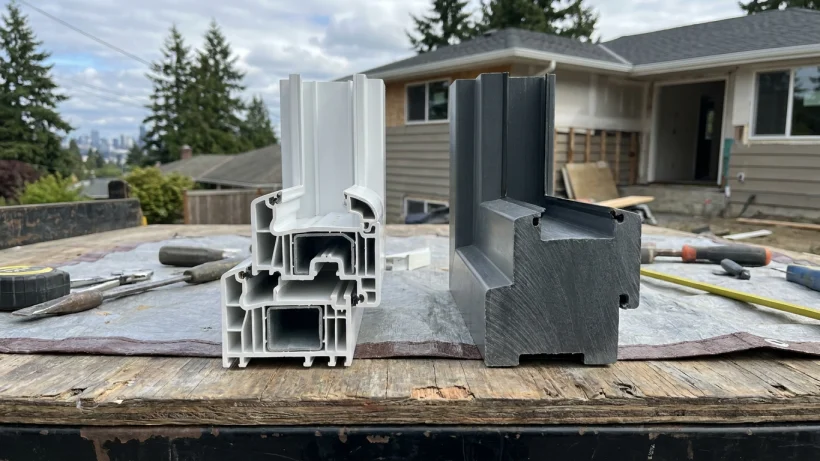
For most homeowners upgrading their windows in Western Washington, the decision comes down to vinyl or fiberglass. Both materials handle the damp climate beautifully, but they cater to different priorities.
Vinyl is the practical choice. If you are looking for the best return on investment for energy efficiency and want to keep your project budget reasonable, vinyl is tough to beat. Fiberglass is the lifetime choice. If you plan to stay in your home for decades, want thinner frames for a better view, or wish to paint your window exteriors a dark custom color like black or bronze, fiberglass is worth the premium.
How to Choose the Right Material for Your Washington Home
Selecting the right frame material ultimately depends on your budget, your home's architecture, and your long-term plans. Here is a quick checklist to help guide your decision:
- Assess your budget and timeline: Are you upgrading to sell in five years, or is this your forever home? Vinyl offers quick value, while fiberglass offers a longer overall lifespan.
- Match the architecture: Modern homes often look best with the crisp, thin lines of fiberglass or thermally broken aluminum. Craftsman and traditional homes do well with vinyl or clad-wood.
- Check HOA requirements: Some homeowners associations in communities across King, Pierce, and Snohomish counties dictate exterior colors or materials.
- Prioritize the glass: Regardless of the frame you choose, ensure the window package includes low-E coatings and argon gas fills to meet or exceed Washington energy codes.