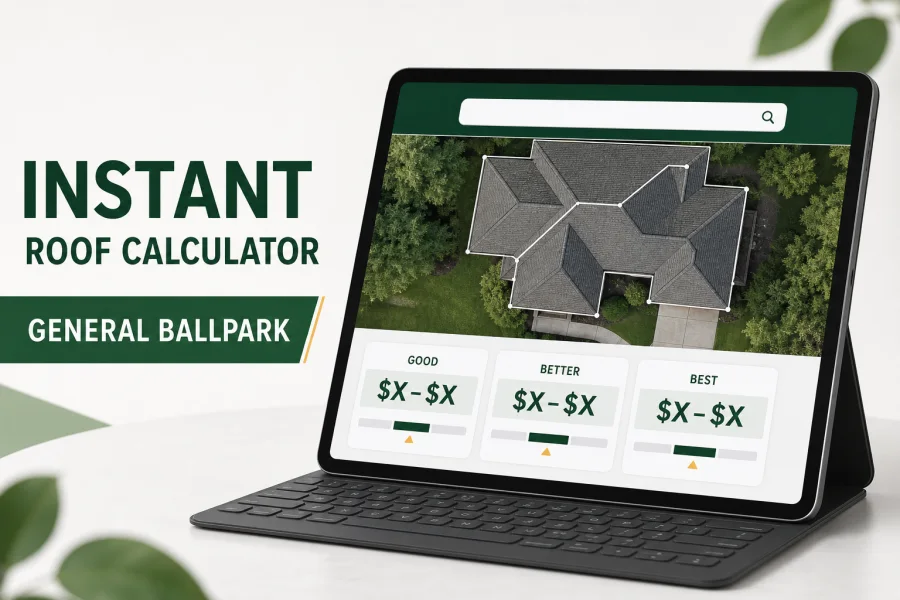
Instant online calculator
Get a general ballpark estimate right away.
Roofing · Bellingham, Washington
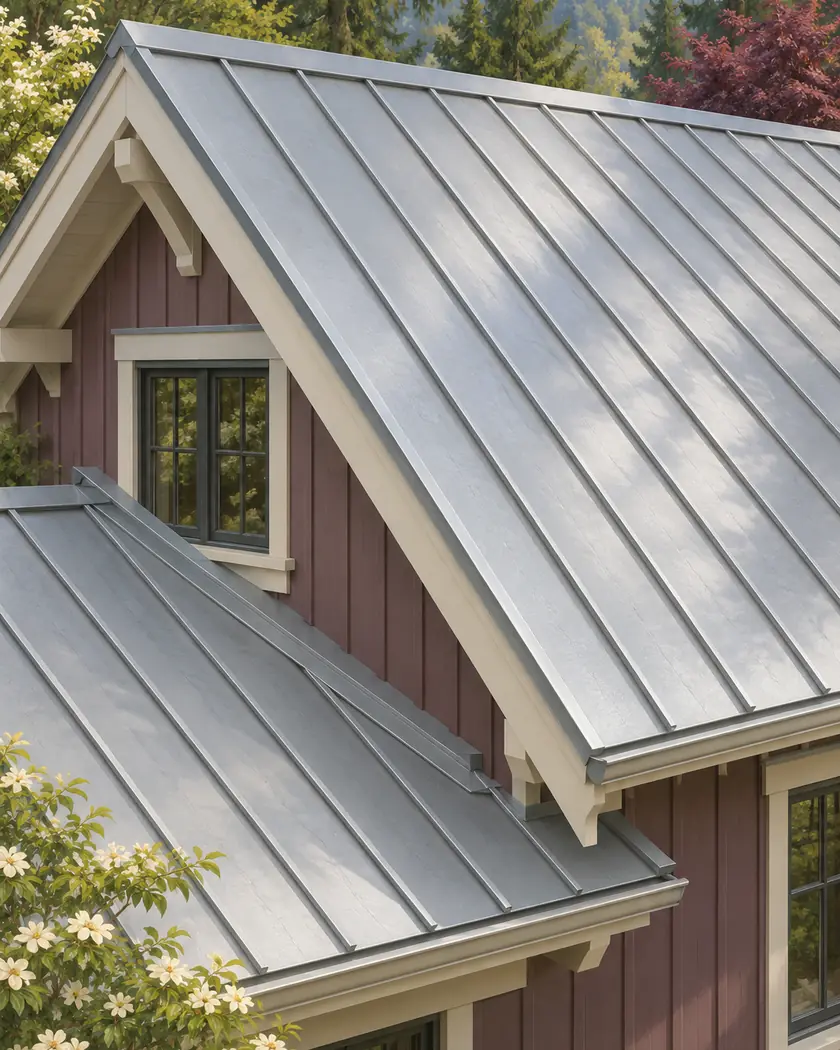
Roofing in Bellingham discussed because a standing-seam roof makes popping or ticking sounds should include when those sounds occur. A sound that follows warming or cooling raises a different assessment question from rain striking the roof.
Tell the roofer the observed timing and affected rooms. Ask how the actual panel, clips and roof assembly will be assessed before accepting either a replacement proposal or an explanation that every sound is normal.
Enter your contact information to access the instant online calculator for a general ballpark estimate. You will use your property address to generate satellite-based roof measurements and estimate ranges with no obligation.
Roof replacement
Metal panels move as their temperature changes. The provider should consider that behavior with the installed system and other possible causes, then explain what supports the proposed work. A general sound description does not establish a defect or rule one out.
Note whether it follows morning sun, evening cooling, wind or rainfall. Available recordings can help explain the observation without requiring the homeowner to access the roof.
Have the roofer identify the panel system and explain the relevant movement and connection findings. Keep that assessment separate from a promise about the indoor sound level of a different covering.
Ask whether the findings support particular connection work, another investigation or replacement. Have the scope explain the assessed cause instead of treating added insulation or a material change as a universal cure.
Before work begins
Bellingham’s forms page directs re-roof applications to its TRAKiT portal. Ask the City and roofer how the actual covering, substrate or connection changes should be described; a noise complaint alone does not classify the construction.
The City’s posted re-roof handout is dated 2017 and distinguishes covering work from structural changes. Confirm the current review requirements for the proposed remedy rather than assuming that an older exemption description approves it.
Ask the roofer to assess the actual system and explain the findings supporting any proposed construction.
Describe the timing separately so the provider can investigate the observed condition rather than answer only a general covering-sound comparison.
It provides an initial replacement range. The actual condition, remedy and review requirements need a separate assessment.