Map the retained masonry boundary.
Mark brick and stone areas on the elevation photos, including previously repaired joints. Distinguish those areas from cladding scheduled for removal.
Siding · Chehalis, Washington
Siding in Chehalis beside retained historic brickwork should make the masonry repair boundary clear. A new cladding finish can look complete while deteriorated joints in the adjoining brick still need a separate, compatible repair specification.
Identify the brick or stone that will remain and any joints already patched. Ask a qualified masonry provider to assess the existing mortar before a siding proposal treats those areas as a general-purpose fill-and-paint allowance.
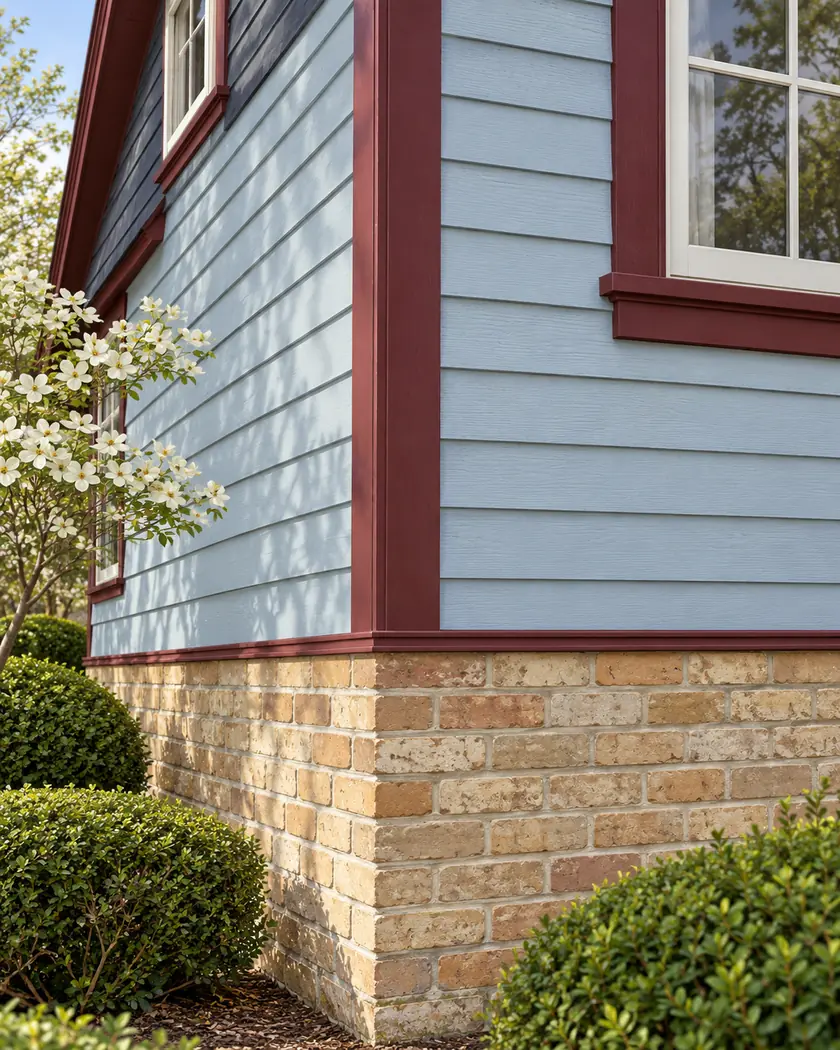
Siding replacement
A mortar repair should be chosen for the existing masonry, not solely for a tidy joint color. Ask the assessor how the proposed repair relates to the older units and existing mortar, and who will approve the repair approach before adjoining finishes conceal access.
Mark brick and stone areas on the elevation photos, including previously repaired joints. Distinguish those areas from cladding scheduled for removal.
Have the masonry specialist explain the selected mortar and preparation method for the actual wall. Do not substitute a harder product simply because it is marketed as stronger.
Identify which provider completes the masonry work and when it happens relative to the siding. Keep the two scopes and their acceptance criteria visible in the proposal.
Before work begins
For a Chehalis local-register property, confirm whether the masonry and cladding are designated features and ask the City to classify the proposed repair. The chapter has repair exemptions; the project description must establish whether they apply.
This planning guide does not specify a mortar recipe or promise masonry-conservation services. Confirm a qualified provider and the assessed repair scope before work is contracted.
Have the specialist assess compatibility with the existing brick or stone. Greater hardness alone does not establish suitability for historic masonry.
Ask for a separate written masonry scope, responsible provider and sequence. Do not infer that work from a drawing of the finished elevation.
Color is only one consideration. Ask how the specified mortar and preparation suit the existing wall materials.
Identify the brick or stone that will remain and any joints already patched. Ask a qualified masonry provider to assess the existing mortar before a siding proposal treats those areas as a general-purpose fill-and-paint allowance.