Describe the deck’s sun exposure.
Identify the expected sunny and shaded areas and usual time of use. Keep that information in the material discussion rather than selecting only by indoor showroom appearance.
Decks · Redmond, Washington
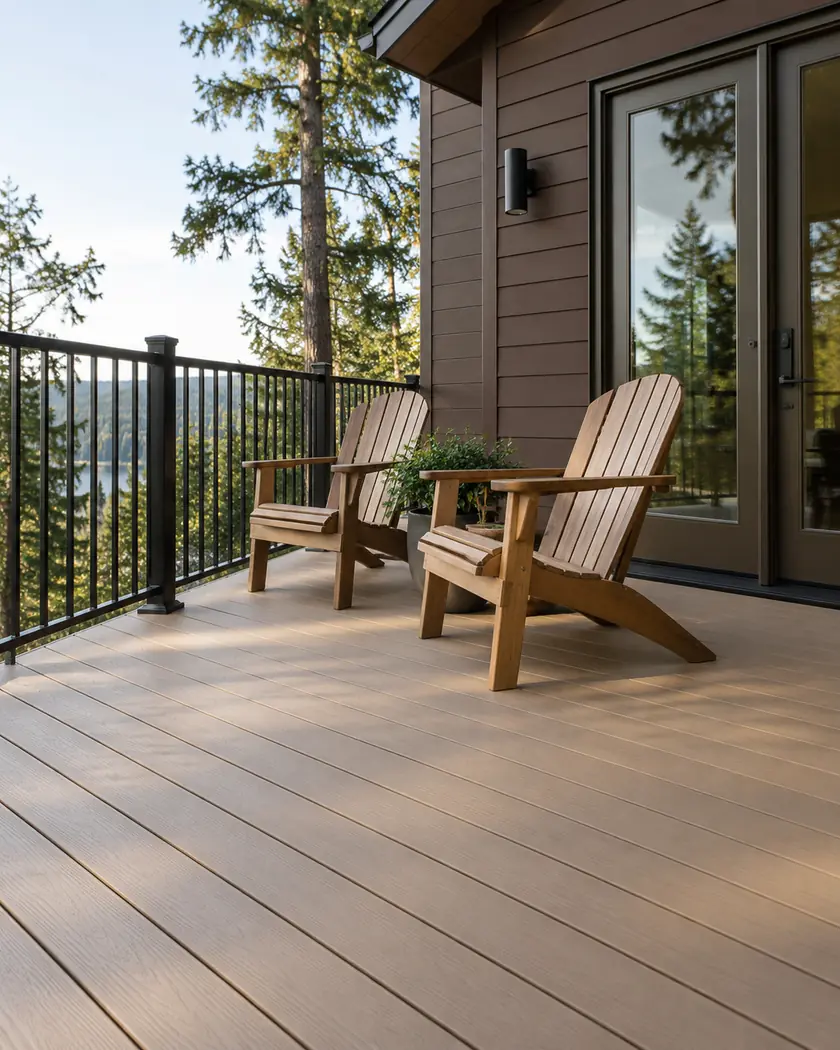
Decks in Redmond should be selected with their actual sun exposure and use in mind. Discuss how the proposed board surface can heat up before relying on a color sample or a cooler-surface marketing phrase.
Evergreen Home Pro helps you compare that tradeoff. Describe the sunny parts of the proposed deck and the times the household expects to use it.
Deck building
Outdoor deck surfaces can heat up in sun. Ask the supplier which product and color a heat-mitigation claim compares, and how the stated test conditions differ from the actual deck.
Identify the expected sunny and shaded areas and usual time of use. Keep that information in the material discussion rather than selecting only by indoor showroom appearance.
Ask what baseline, color and conditions the supplier uses for a cooler-surface comparison. Do not treat every composite product or color as equivalent.
Discuss applicable product care and use instructions with the household. A heat-mitigating option does not mean the deck will remain cool in every condition.
Before work begins
The city lists deck construction among residential projects and describes conditional detached-deck exemptions. Have attachment, height, area and exit use assessed for the actual proposal.
A board’s heat claim does not approve the structure, its supports or the city category. Keep the selected walking surface connected to the assessed deck plan.
No. Review the actual product’s limitations and expected sun exposure.
Ask which products, colors and conditions each stated comparison uses.
No. Have the complete structure and applicable exemption conditions assessed separately.
Tell us the expected sunny areas, time of use and any board products or colors being compared.