Describe the affected areas.
Show the provider where the discoloration is visible and whether it follows particular wall details. Keep the observations separate from an assumed cause.
Siding · Eatonville, Washington
Siding in Eatonville discussed after cedar develops brown discoloration should be assessed before the cause is assumed. Ask the qualified provider to distinguish the wood’s extractives, finish changes and any underlying moisture concern.
Evergreen Home Pro helps you describe the observed wall condition and intended work. Include where the discoloration occurs and any earlier finish information when discussing a repair or replacement proposal.
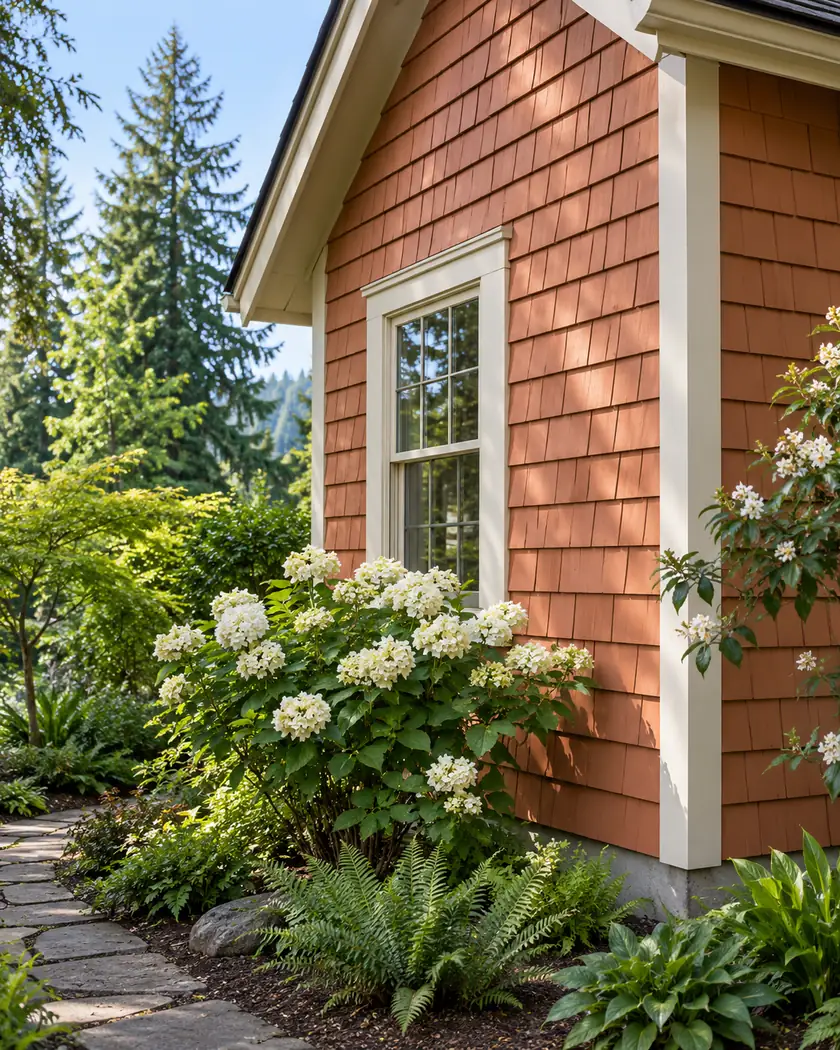
Siding replacement
The Western Red Cedar Lumber Association’s care guide distinguishes extractive bleeding from other discoloration. It also connects extractive stains with moisture. Have the actual wall assessed instead of diagnosing from the color alone.
Show the provider where the discoloration is visible and whether it follows particular wall details. Keep the observations separate from an assumed cause.
Provide any available coating or maintenance records. Ask the qualified provider how the actual material and finish affect the assessment.
Have the provider explain what has been assessed and which work is included. Ask how any underlying condition will be addressed alongside the visible wall finish.
Before work begins
Eatonville’s Building Department publishes residential application information. Ask which review applies to the actual siding replacement and any associated wall work.
Have the applicant identify the assessed construction and proposed materials. Describe changes beyond the finish where they form part of the intended project.
Have the qualified provider assess the actual cedar and wall conditions.
Ask the provider to explain any underlying condition identified in the assessment.
Request a condition assessment before choosing the construction scope.
Tell us where discoloration appears and what you want repaired or replaced.