Map each affected area.
Photograph the wall from a distance and the visible concern close up from safe ground-level positions. Note whether concerns cluster around an opening or appear in several separate locations.
Siding · Issaquah, Washington
Siding in Issaquah should start with a clear map of the areas you want assessed. A few visible damaged boards and a proposal for an entire wall answer different scope questions; ask why the recommended boundary fits the actual condition.
Evergreen Home Pro helps you compare localized work with a broader replacement proposal. Share photographs of each affected area and any known previous repair so the inspection can consider the visible finish and surrounding assembly.
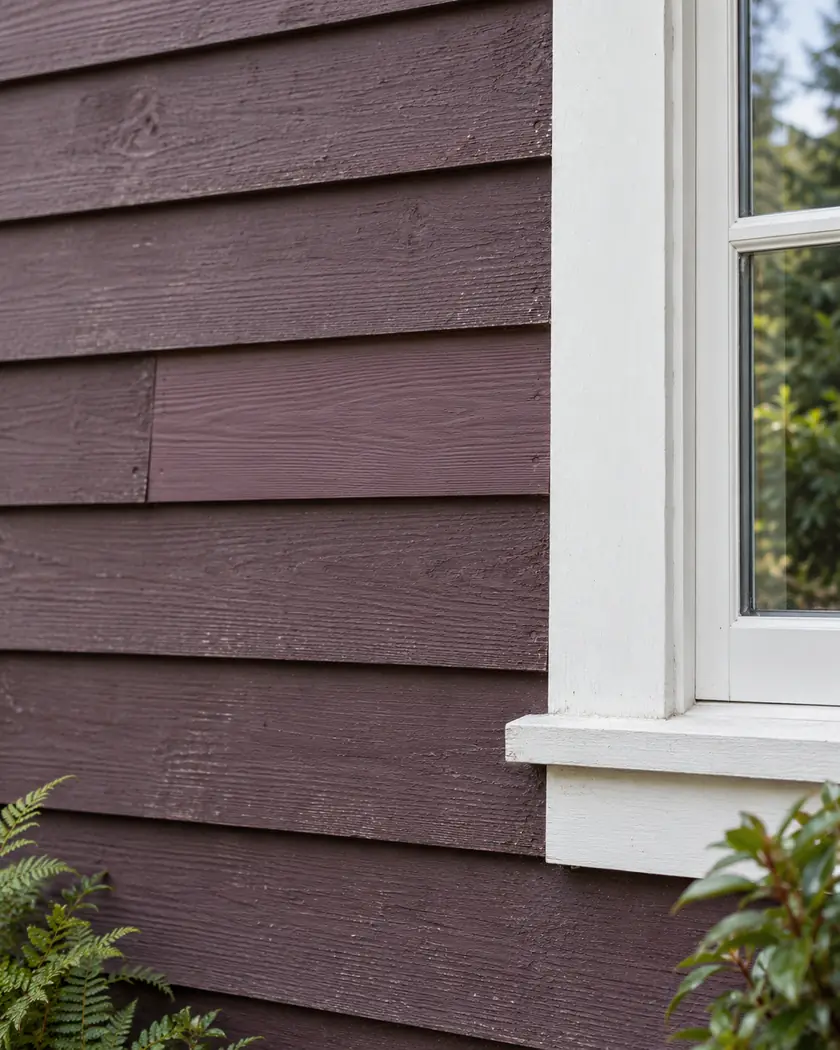
Siding replacement
The visible area does not always establish the full condition beneath the finish. Ask the installer to explain what is known, what needs further assessment and why the proposed work stops at a board, section or elevation.
Photograph the wall from a distance and the visible concern close up from safe ground-level positions. Note whether concerns cluster around an opening or appear in several separate locations.
Have the proposal explain the recommended replacement boundary and how retained material meets the new work. Distinguish appearance, product availability and underlying-condition reasons for a larger scope.
Ask how concealed damage would be documented and any additional work authorized. A limited initial repair price should have a clear process if the condition extends beyond the visible boards.
Before work begins
Issaquah’s permit guidance addresses building repair and alteration within city limits. Confirm the actual cladding work and any changed openings or structural repair rather than using a finish-only description for a broader wall project.
A partial repair proposal still needs appropriate product installation and surrounding weather details. Ask the installer to assess compatibility and wall condition without assuming that a similar-looking board completes the whole repair.
The visible area is the starting point for assessment. Ask whether underlying condition, retained material or installation details justify a different boundary.
Ask each to explain the included area, reason for its boundary, underlying work and the process for concealed conditions. Compare those scopes rather than just their totals.
Yes. Tell the installer where they occurred and what is known about the material or cause. Earlier work can help identify what needs assessment around the new concern.
Share affected-wall photos and known earlier repairs. Tell us whether you want localized areas assessed or are considering a complete exterior replacement.