Describe the room at the relevant time.
Note when bright light, glare or warmth becomes a concern and where you sit or work. Include existing shading rather than attributing every room condition to the glass alone.
Windows · Issaquah, Washington
Window replacement in Issaquah should distinguish the daylight you want from the solar heat you want to manage. Describe a dim room or uncomfortable bright period separately so the proposed glass selection answers the right question.
Evergreen Home Pro helps you connect those observations with the actual window configuration. Tell us when the room feels too bright, warm or dark and how you use it before comparing product ratings.
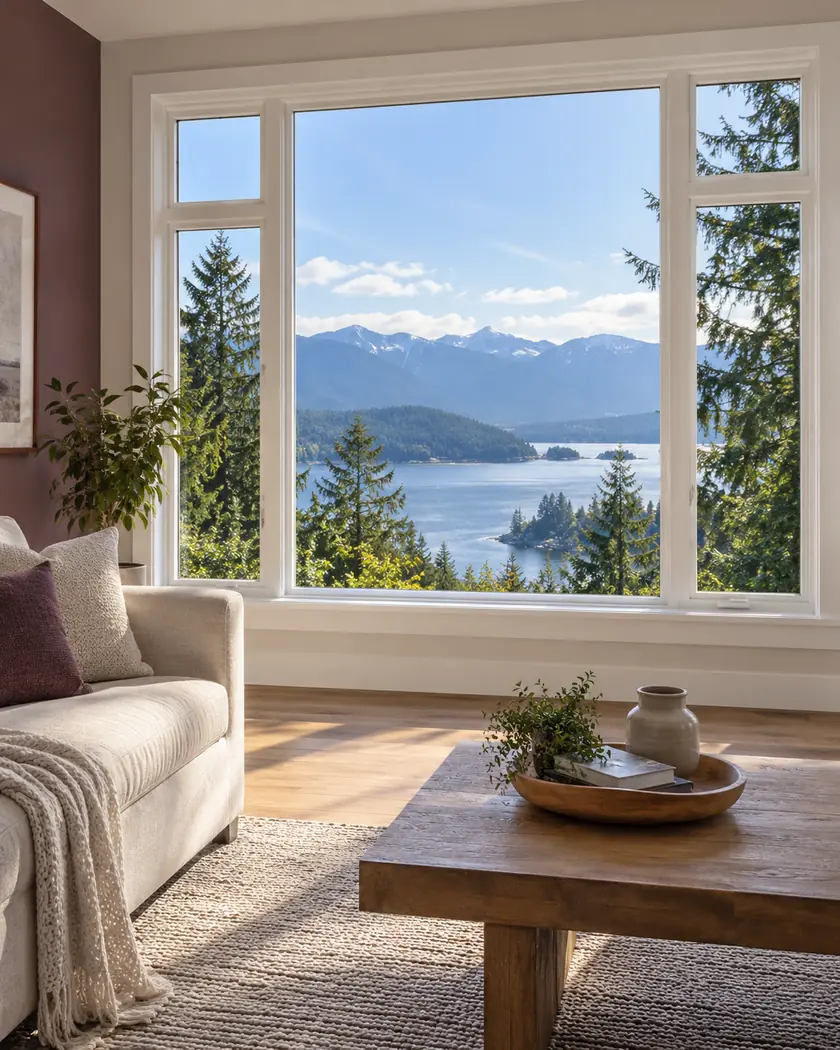
Window replacement
NFRC rates visible transmittance separately from solar heat gain and heat-transfer performance. Ask the supplier to explain the actual proposed window’s ratings together with room orientation and shading; one rating does not summarize every comfort preference.
Note when bright light, glare or warmth becomes a concern and where you sit or work. Include existing shading rather than attributing every room condition to the glass alone.
Ask for ratings for the proposed window and glass combination. Keep visible-light and solar-heat questions separate instead of choosing from a generic product-family claim.
Ask to view available glass samples and discuss the appearance from inside and outside. A rating helps product comparison but does not promise a particular view, glare outcome or room temperature.
Before work begins
Issaquah administers permits for work within city limits and publishes residential application categories. Describe replacement and any opening changes to the Permit Center so the proposed work is reviewed on its actual scope.
Have the installer assess existing opening condition and applicable room requirements. The product rating is not an approval of the opening, installation detail or every surrounding alteration.
No. NFRC describes visible transmittance in terms of daylight and solar heat gain coefficient in terms of solar heat. Ask how both apply to the exact proposed configuration.
Do not assume that from a single rating. Room use, orientation, shading and the rest of the building matter; ask the installer how the product relates to the conditions you described.
Record when and where the room feels too bright or dark, its current shading and the tasks you do there. Bring those observations to the product discussion.
Tell us which rooms need attention, when bright light or warmth is uncomfortable and what shading is already present. Include the openings you want to replace.