Identify the work being proposed.
Ask whether the provider is replacing a named component, an assembly or the complete equipment unit.
HVAC · Lynnwood, Washington
HVAC in Lynnwood should describe whether the proposal repairs a component or replaces the equipment unit. That distinction matters when asking the city about electrical permitting, even where a familiar motor, thermostat or control part appears in the work.
Evergreen Home Pro helps homeowners keep the repair diagnosis and proposed replacement scope understandable. Ask the provider to name the component work and any complete equipment change separately before relying on an exemption description.
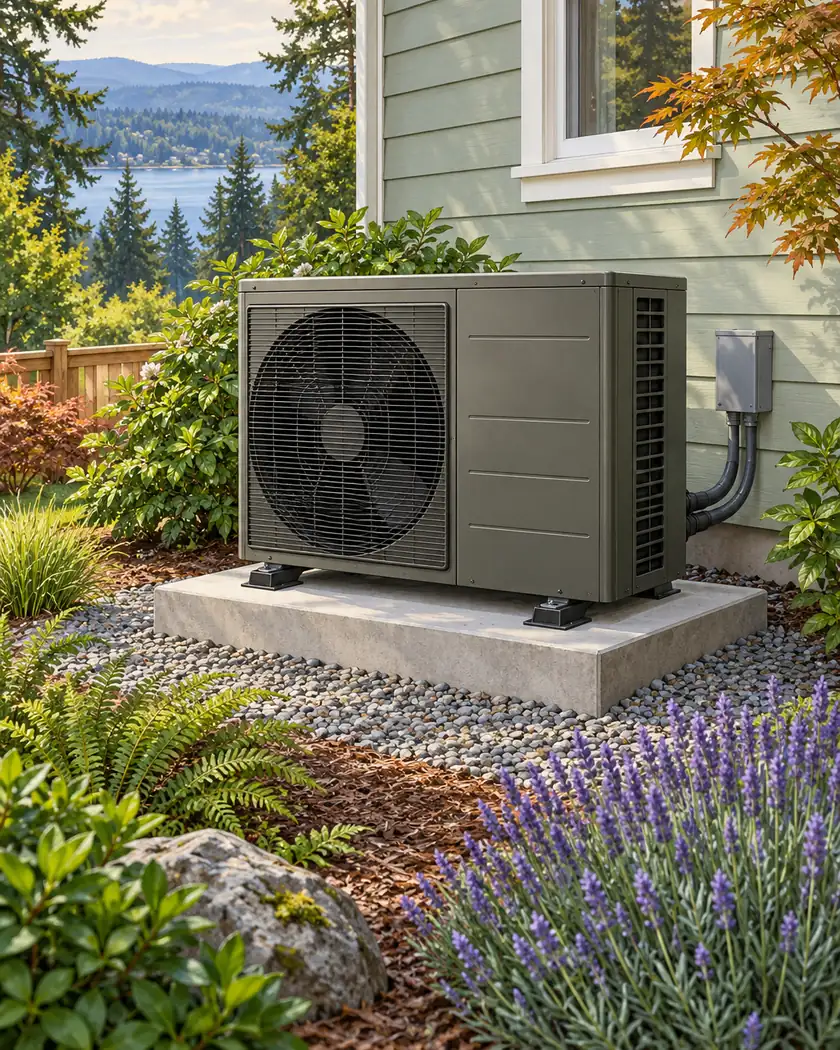
Heating and cooling
Have the provider describe what stays and what is being replaced. Bring that scope to the city so a listed component exemption is not assumed to cover the surrounding furnace or heat-pump assembly.
Ask whether the provider is replacing a named component, an assembly or the complete equipment unit.
Keep model and scope information clear enough to show what remains after the work.
Have the qualified providers establish the applicable city mechanical and electrical review for the actual scope.
Before work begins
Lynnwood’s electrical exemption handout distinguishes certain component replacements from complete equipment units and specifically gives furnace/heat-pump examples. Ask the city how the current requirements apply to the actual work.
An exemption discussion does not diagnose the system or authorize electrical work. Have qualified providers assess the equipment and define the permitted installation or repair.
Have the city assess the actual equipment change under the handout’s limitations and current requirements.
Ask for a clear component or complete-unit description and the retained equipment information.
Use Lynnwood’s permit team with the qualified provider and the actual work description.
Share the existing equipment, provider diagnosis and proposed changes so component work and complete-unit replacement remain distinguishable.