Identify the actual systems.
Share the proposed heat-pump specifications and the existing or intended backup equipment. Ask which information the electrician needs to assess the arrangement.
HVAC · Seattle, Washington
HVAC in Seattle expected to run during an outage needs a backup-power assessment for the actual system. An efficient heat pump does not automatically fit an existing generator or battery arrangement.
Evergreen Home Pro helps you identify the HVAC-side questions for the contractor and qualified electrician. Share any existing backup equipment and explain which household loads you expect to support together.
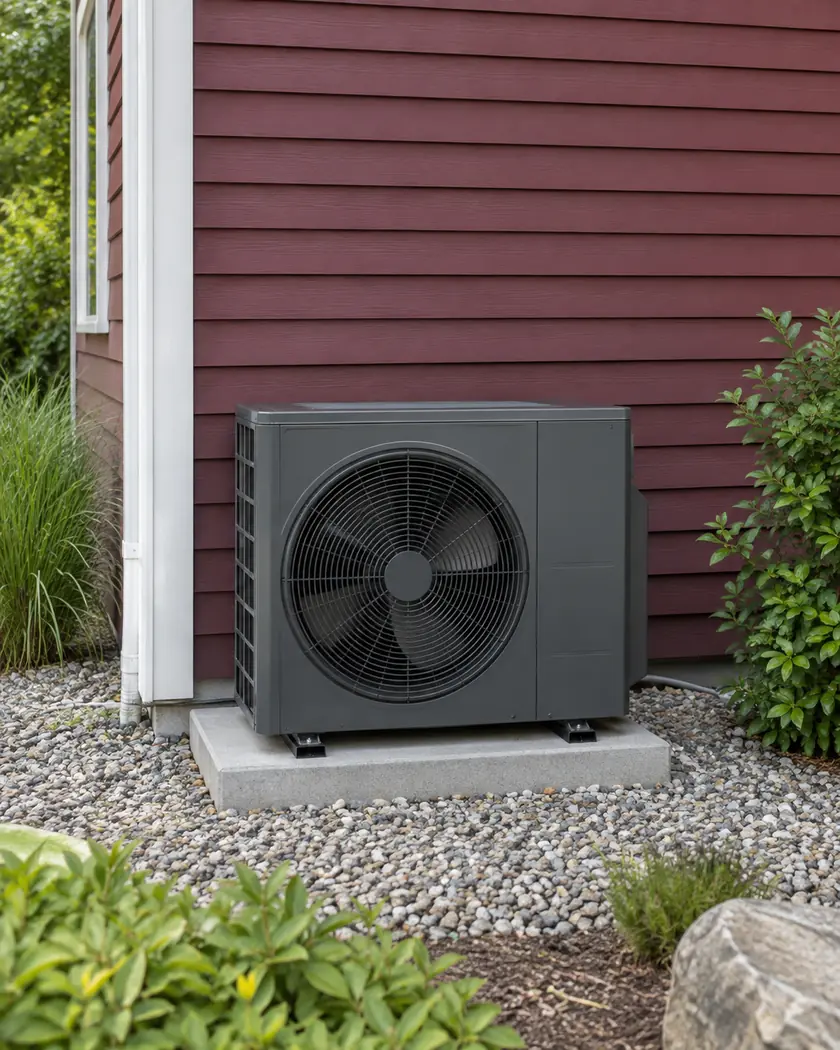
Heating and cooling installation
Power compatibility involves the selected heating and cooling equipment, associated components and the backup arrangement. Have the responsible professionals assess those together before treating an outage-power idea as part of the HVAC installation.
Share the proposed heat-pump specifications and the existing or intended backup equipment. Ask which information the electrician needs to assess the arrangement.
Explain which other circuits or equipment you expect to operate. Have the usable backup capacity and operating arrangement evaluated rather than assuming the HVAC is the only demand.
Ask who is responsible for any backup connection, controls and associated approval. Keep that work explicit and request owner instructions for the assessed installation.
Before work begins
Seattle’s furnace/refrigeration guidance and trade index distinguish relevant HVAC permit types and electrical work. Have the contractor confirm the combination required for the actual equipment and connections.
Backup-power compatibility does not establish sizing or permission to connect equipment. Identify the heat pump and any separately assessed electrical work in the proposal.
Have the actual backup supply, HVAC equipment and other loads assessed together.
Share it early so the required specifications and separate electrical scope can be identified.
Request qualified assessment and instructions for the actual proposed installation.
Share the proposed comfort system, existing backup equipment and household loads you expect to support.