Record the control and observation.
Share the model, displayed value, active feature indication and the circumstances of the comfort concern. Do not rely on a single unexplained comparison between two devices.
HVAC · Winlock, Washington
HVAC in Winlock controlled by a thermostat with a humidity-based comfort feature may show a feels-like value. Ask the provider what the installed display represents before treating a difference from another thermometer as proof that the thermostat or equipment is faulty.
Plan HVAC in Winlock, WA with humidity-adjusted thermostat behavior explained before a display difference becomes a replacement diagnosis.
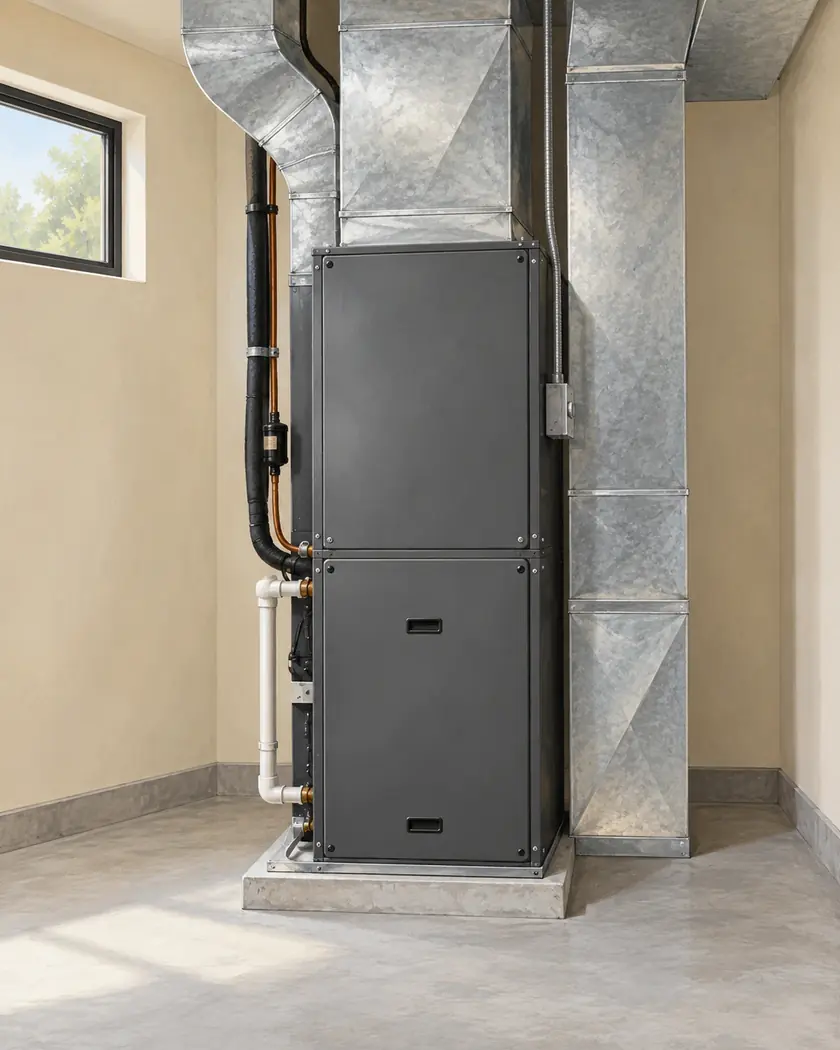
Heating and cooling installation
Have the provider review the actual control model and enabled features with you. Describe the room comfort concern and when it occurs, then ask whether the displayed value is an ordinary temperature reading or a calculated comfort value. Keep that explanation separate from diagnosis of an equipment or sensor problem.
Share the model, displayed value, active feature indication and the circumstances of the comfort concern. Do not rely on a single unexplained comparison between two devices.
Ask the provider to explain the supplied control’s humidity adjustment and how the household can recognize it. Keep the operating guide with the equipment records.
If comfort remains unsuitable, request an assessment of the system and sensors. Do not use a display explanation as a reason to dismiss an unresolved problem.
Before work begins
Winlock’s mechanical application distinguishes new equipment, replacement and alteration. Have the provider identify the actual proposed work when confirming whether an application or other approval is needed.
Changing a calibration offset is not a substitute for identifying the display mode and assessing the system. Leave installation or technical adjustments to the responsible qualified provider.
Check the model and enabled features. Do not assume a display uses this function because the thermostat is connected.
Ask the provider to establish what each reading represents and assess any remaining sensor or equipment concern first.
No. Describe the actual comfort problem and request follow-up if it remains unresolved.
Have the provider review the actual control model and enabled features with you. Describe the room comfort concern and when it occurs, then ask whether the displayed value is an ordinary temperature reading or a calculated comfort value. Keep that explanation separate from diagnosis of an equipment or sensor problem.