Document visible conditions
Photograph staining, soft trim or previous patches and note when moisture appears. Have the installer verify the condition before deciding what can be retained.
Windows · Carnation, Washington
Window replacement in Carnation should distinguish a worn unit from a damaged opening. A stained sill or soft surrounding trim deserves investigation before a product-only order hides the repair question.
Evergreen Home Pro helps you bring visible window and wall conditions into the estimate. Share where moisture has appeared and what previous repairs are known, so the proposed installation can account for the opening as well as the new unit.
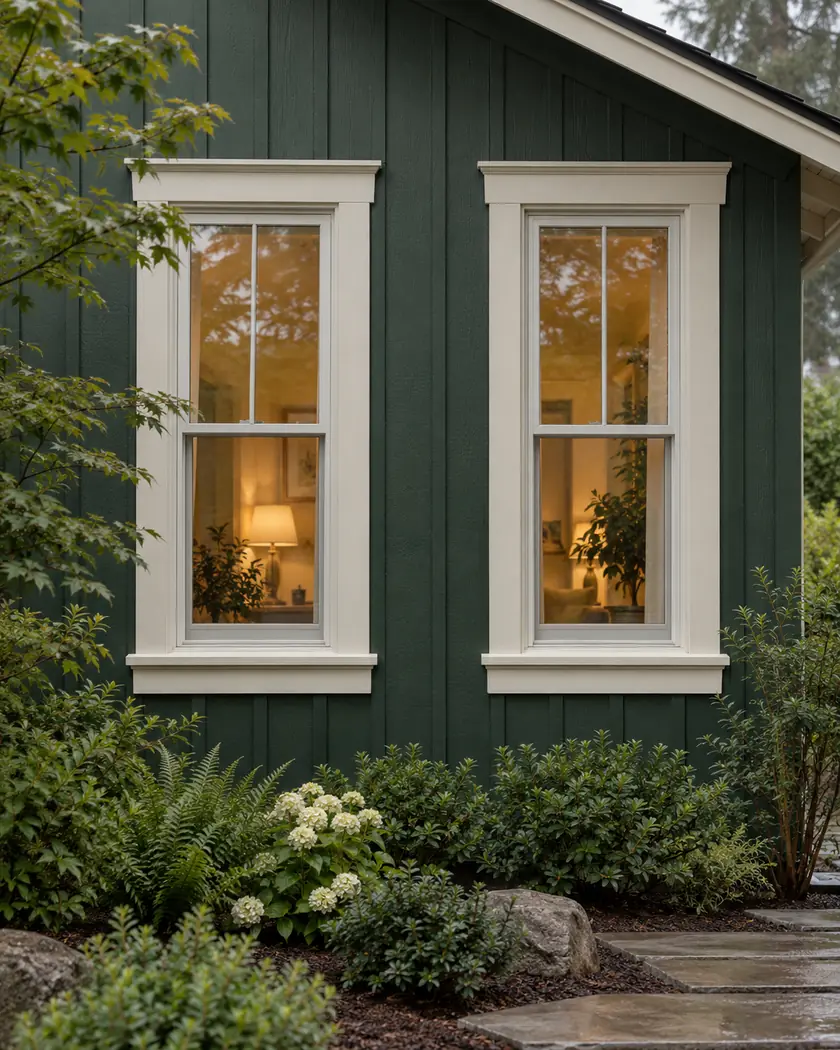
Window replacement
Ask how the existing frame, sill and supporting wall will be assessed and what happens if removal exposes damage. Keep repair allowances and finish restoration clear in the proposal. Have the cause reviewed rather than assuming a new frame alone settles a recurring moisture problem.
Photograph staining, soft trim or previous patches and note when moisture appears. Have the installer verify the condition before deciding what can be retained.
Ask which opening repairs are included and how newly exposed work is authorized and priced. A unit size and glass choice do not define the condition of the wall beneath them.
Identify interior trim, exterior surrounds and any wall finishes affected by repair. Keep protection and restoration responsibilities with the installation scope.
Before work begins
Use Carnation’s Planning & Permits resources to confirm the review for the proposed replacement and wall work. Distinguish a retained opening from changes to framing, dimensions or room use.
For a property in a designated flood-hazard area, bring relevant prior damage and improvement records to the city. Its floodplain application addresses repairs and alterations as well as new construction; have staff determine the applicable scope rather than assuming all window work is treated alike.
Have the cause and surrounding condition investigated. A new unit does not establish that concealed damage or an unrelated water path has been resolved.
Ask for the planned investigation, included repair scope and process for approving newly exposed work. Keep finish restoration identified as well.
Share invoices, photographs and what you know about the work. Have current conditions verified and ask the city which additional documentation applies to the proposed alteration.
Share visible sill or trim conditions and any earlier repair records. Tell us which finishes should be retained so the estimate can cover products, investigation and restoration.